Asiad '26: Leaner Indian contingent produces fewer golds but better return-per-medal
Source Entity
TANUJ LAKHINA
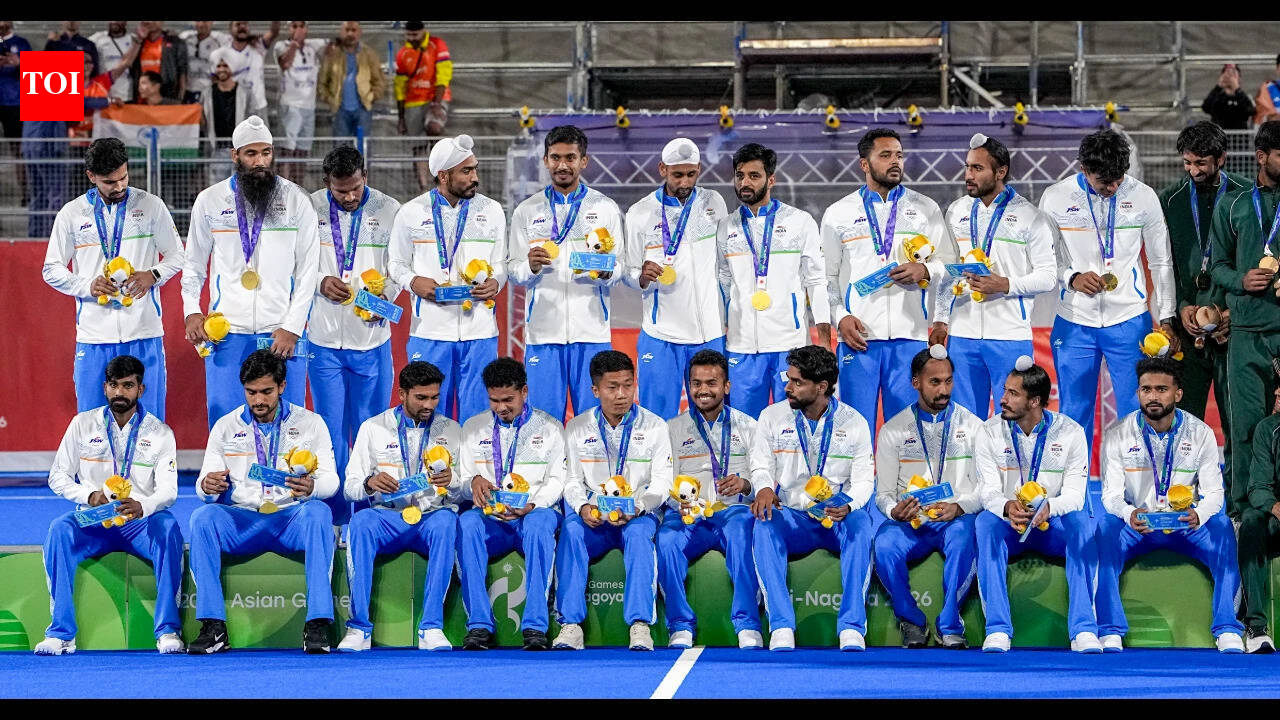
India concluded the 2026 Aichi-Nagoya Asian Games with a historic haul of 85 medals, securing a fourth-place finish. The campaign was defined by breakthrough performances in archery, shooting, and golf, signaling a new era for Indian athletics.
India's Historic Surge: A Defining Moment at Aichi-Nagoya
The conclusion of the 2026 Asian Games in Aichi-Nagoya marks a watershed moment for Indian sports, as the nation secured an impressive 85-medal haul. Finishing with 21 gold, 27 silver, and 37 bronze medals, India claimed the fourth position in the overall standings, effectively outpacing traditional regional powerhouses like Uzbekistan, Iran, and Thailand. This performance represents a significant evolution in India's sporting trajectory, characterized by a dramatic late-game surge that elevated the country from outside the top 10 as late as the second-to-last Thursday.
Breaking Historical Strangleholds
Central to this success was the dismantling of long-standing regional hegemonies. Most notably, the Indian women’s recurve archery team achieved the unthinkable by ending South Korea's 28-year dominance in the event. This victory was complemented by Kumkum Anil Mohod, whose individual recurve gold—a first for an Indian woman—exemplifies the rise of grassroots talent. Her performance, fueled by what she described as "bhook" (hunger), highlights a shift in the psychological preparation of Indian athletes who are increasingly comfortable challenging established global empires.
Excellence in Precision and Field Sports
Shooting and golf provided further historic milestones that underscore the depth of India's current talent pool. Neeru Dhanda’s gold in the women's trap event ended a 48-year drought, proving that India’s strategic investment in precision sports is yielding long-term dividends. Furthermore, the record-setting performance by Dhanda and Kynan Chenai in the mixed trap pair event, combined with Pranavi Urs’s country-first golf gold, highlights a diversification of India’s sporting prowess beyond traditional strongholds like hockey and kabaddi.
The Collective Spirit of Team India
While individual brilliance was a hallmark of the 2026 Games, team events remained the bedrock of India’s medal tally. The triumphs of the men's and women's kabaddi teams, alongside the cricket team and the men's hockey squad, underscore the importance of team cohesion. The men's hockey team, in particular, secured a crucial title that reinforces India's status as a top-tier contender in field hockey. These team victories provided the necessary volume of medals to solidify the nation's fourth-place finish.
Future Trends and Implications
The Aichi-Nagoya campaign demonstrates that India is successfully transitioning from a sporadic medal winner to a consistent top-four contender in continental multi-sport events. By overcoming the "implosions and heartbreaks" that previously defined Indian recurve archery, the nation has shown a newfound mental resilience. Moving forward, the focus will likely shift toward maintaining this momentum in the lead-up to global stages, as the success of debutants like Mohod proves that the current pipeline of young talent is capable of immediate impact on the world stage.
Conclusion: A Legacy of Ambition
In retrospect, the 2026 Asian Games will be remembered as the event where India stopped competing for participation and started competing for dominance. From the drought-hit towns producing archery champions to the technical precision seen in shooting ranges, the diversity of the medal haul suggests a broad-based improvement in training and infrastructure. As India looks beyond Aichi-Nagoya, the challenge will be to sustain this elite-level performance and turn these historic victories into a permanent fixture of the nation's sporting identity.
Multiple Citing Sources