Nagoya barely embraced the Asian Games. Then everyone turned up to say goodbye
Source Entity
Mihir Vasavda
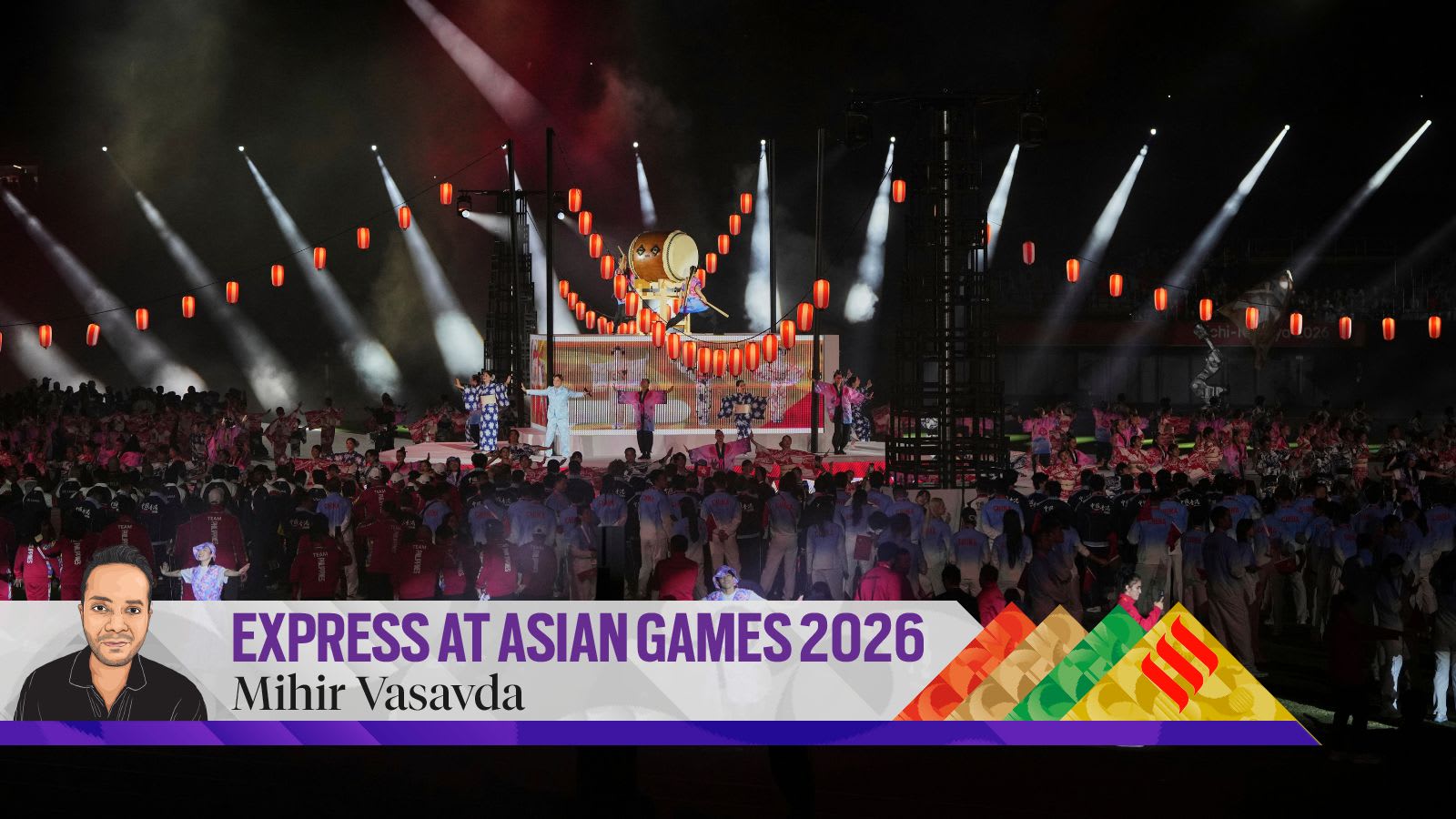
Nagoya experienced a late surge of public engagement during the final night of the Asian Games after weeks of low attendance. The closing ceremony marked the transition of the event's hosting duties to Doha, Qatar.
A City Awakens: Reflecting on the Asian Games in Nagoya
The Final Night Transformation
For the majority of the competition, the Asian Games in Nagoya faced a notable challenge regarding public engagement. Reports indicated that throughout the two-week duration, the city’s compact arenas were frequently characterized by empty blocks of seats, suggesting a disconnect between the local population and the international sporting spectacle occurring within their borders. However, the atmosphere underwent a perceptible shift on the final night, as a surge of spectators turned up to bid farewell to the event, finally lending the stadium the energy and noise expected of such a major continental gathering.
Analyzing the Engagement Gap
This late-stage enthusiasm raises questions about the visibility and marketing of mega-sporting events in urban centers. While the Games are intended to be a celebration of athletic prowess and cultural exchange, the initial lack of local participation suggests that the event struggled to permeate the daily life of Nagoya residents during its primary phase. The transition from silence to a roar on the closing evening highlights a 'festival discovery' phenomenon, where the true scale of the event only became apparent to the broader public once the window of opportunity began to close.
The Symbolic Transition to Doha
The closing ceremony served as more than just a conclusion; it acted as a formal handover of the mantle of host. A poignant moment occurred when Qatari equestrian rider Jassim al Kuwari, mounted on his six-year-old gelding Red Raiden, entered Mizuho Park to accept the Asian Games flag from high-jump legend Mutaz Barshim. This ceremonial exchange was rich in symbolism, representing the movement of the Games from Nagoya to Doha, effectively bridging the gap between the current host and the future of the event.
Cultural and Logistical Implications
Moving from one host city to another involves significant logistical and cultural shifts. As the flag was carried out of the stadium toward Doha, it marked a transition that organizers often describe as moving from the 'real world' of the current Games to the 'reel world' of future planning and preparation. For Doha, the task will be to leverage the momentum generated by the conclusion of the Nagoya cycle to ensure early and consistent engagement from the local populace, avoiding the empty seats that characterized the early stages of the recent Games.
Future Trends in Regional Sporting Events
Looking ahead, the success of the Asian Games will likely depend on how host cities integrate these events into their urban fabric. The Nagoya experience serves as a case study in the difficulty of maintaining public interest over a two-week period. Future organizers will need to focus on hyper-local outreach and early-stage activation to ensure that the spirit of the Games is felt from the opening ceremony rather than only in the final hours. As the focus shifts to Doha, the global sporting community will be watching to see how the next host manages the delicate balance of international competition and domestic enthusiasm.