"Negotiations Based On Justice": Iran Says No Military Solution To US War
Source Entity
NDTV News Search Records Found 1000
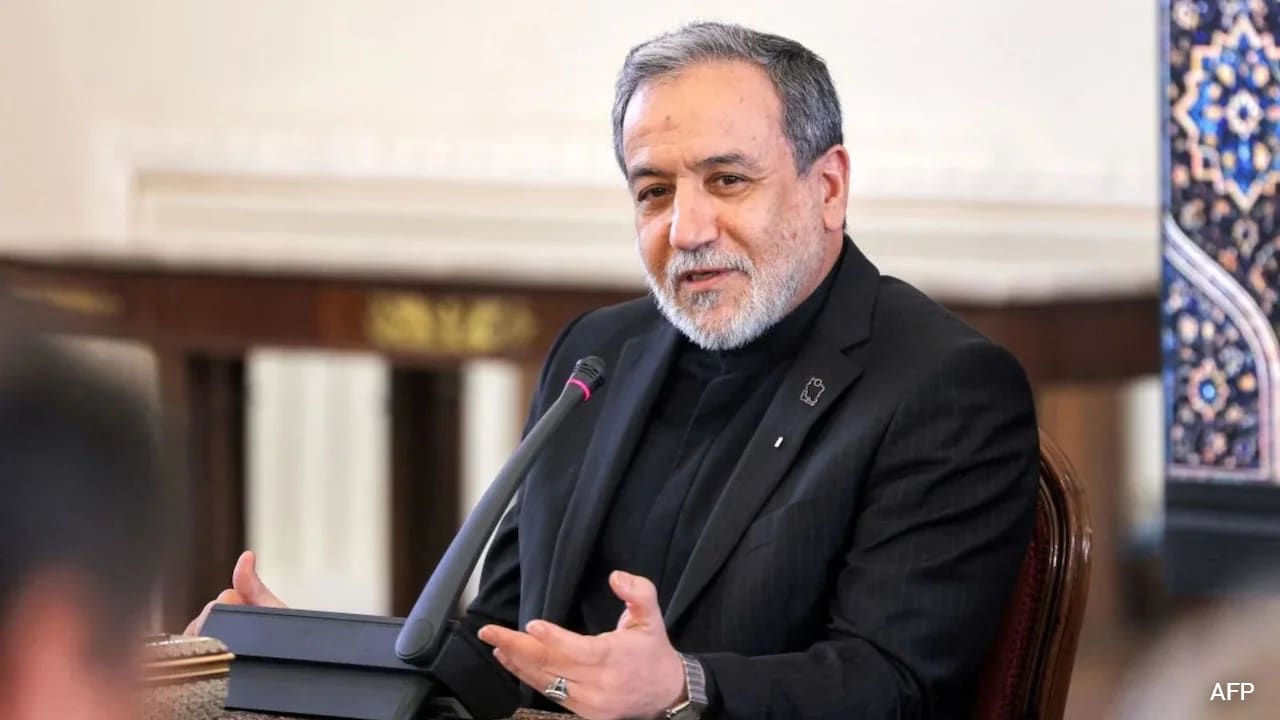
Tensions have spiked in the Strait of Hormuz following strikes on two oil tankers near Oman. Iran maintains that the vital waterway will remain closed until the U.S. halts its alleged naval blockade and economic warfare.
The Escalating Crisis in the Strait of Hormuz
Recent maritime security reports indicate a significant escalation in the ongoing conflict between the United States and Iran, centered on the strategic Strait of Hormuz. Following strikes on two separate oil tankers in waters near Oman and Iran over the weekend, the security environment in one of the world's most critical oil transit chokepoints has deteriorated sharply. The United Kingdom Maritime Trade Operations Centre (UKMTO) confirmed that these vessels were hit by unknown projectiles, marking a dangerous shift in the nature of regional hostilities.
The Standoff Over Maritime Transit
The core of the current crisis is Iran’s persistent blockade of the Strait of Hormuz, a move that serves as both a strategic lever and a source of extreme geopolitical tension. Tehran has explicitly tied the reopening of this vital shipping lane to a series of stringent demands. These include an immediate cessation of what Iran characterizes as U.S. acts of aggression, the termination of naval blockades and economic warfare, and the release of frozen Iranian assets. This impasse has effectively paralyzed commercial transit in the region, threatening global energy supplies.
Rhetorical Warfare and Diplomatic Friction
Beyond the physical strikes on tankers, the diplomatic relationship between Washington and Tehran continues to crumble. Recent U.S. claims regarding the expulsion of Iranian diplomats have been met with derisive counter-claims from Tehran, which has described the U.S. narrative as a sign of defeat. This war of words underscores the lack of a diplomatic pathway forward. Iran continues to insist that there is no military solution to the conflict, advocating instead for negotiations predicated on what it terms 'justice,' though its conditions for such talks remain incompatible with current U.S. policy.
Life Under the Shadow of Conflict
While the international community watches the escalating maritime threats, daily life in the port city of Bandar Abbas persists in a state of suspended animation. Reports from the waterfront as of September 12, 2026, suggest a surreal juxtaposition: while the regional economy faces the strangulation of the Strait, residents continue to frequent the coastal areas at sunset. This contrast highlights the disconnect between the high-stakes geopolitical maneuvering occurring in the surrounding waters and the resilience of the local population.
Future Implications and Regional Stability
The targeting of oil tankers near Oman signals an expansion of the conflict’s kinetic scope. As long as the Strait of Hormuz remains closed, the risk of miscalculation between U.S. naval forces and Iranian assets grows exponentially. Future trends suggest that without a significant de-escalation effort or a change in the economic demands presented by Tehran, the risk of sustained maritime disruption will continue to dictate the security architecture of the Persian Gulf, potentially drawing in further international involvement to safeguard global energy flows.
Verification Required?