'Like a vertical roller coaster': Aviation expert explains flydubai flight's 16,000-foot plunge and potential risk to flyers
Source Entity
Latest News: Todays Latest News Headlines from India & World | Hindustan Times | Hindustan Times
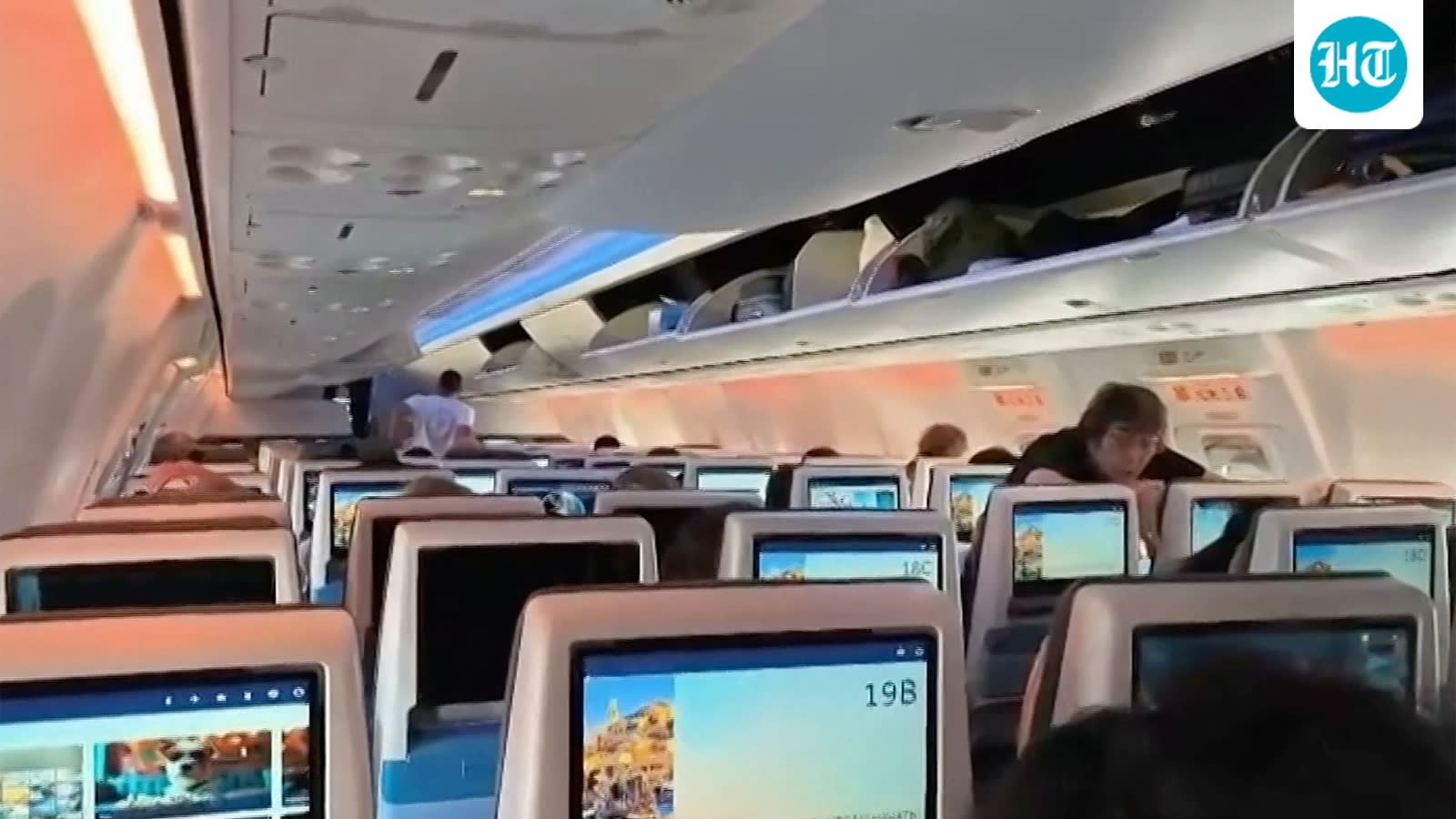
A Flydubai co-pilot, Hamam al-Hammami, was restrained by passengers after allegedly attacking the captain with an axe during a flight to Tel Aviv. Australian authorities are now investigating the suspect's links to their country as the UAE conducts a formal probe into the incident.
Mid-Air Crisis: The Attempted Hijacking of a Flydubai Flight
A harrowing incident unfolded aboard a Flydubai flight en route from Dubai to Tel Aviv, as Omani co-pilot Hamam al-Hammami allegedly attempted to seize control of the aircraft. The situation escalated into physical violence when the co-pilot reportedly attacked the captain, Smit Machchhar, with a crash axe. The swift intervention of passengers, including two off-duty pilots, proved critical in neutralizing the threat and preventing what could have been a catastrophic aviation disaster.
Passenger Intervention and the Restraint of the Co-Pilot
Following the attack, Captain Machchhar managed to open the cockpit door to alert the flight crew. In a display of extraordinary courage, passengers onboard took immediate action to overpower the co-pilot. Video footage circulating in the aftermath shows the co-pilot, identified as al-Hammami, restrained on the floor with his hands bound by earphones. The tension between the passengers and the remaining crew was evident, as reports indicate the crew demanded the co-pilot be released, while the passengers steadfastly refused, insisting he be handed over exclusively to police authorities.
Geopolitical and Security Implications
The incident has triggered an international security investigation. The UAE prosecutor has launched a formal inquiry into the motives behind the attack. Simultaneously, the Australian Federal Police (AFP) and state authorities have confirmed they are investigating the co-pilot's specific links to Australia. This cross-border cooperation underscores the gravity with which aviation authorities treat potential acts of terrorism or extremist infiltration within flight crews.
Aviation Safety and Crew Protocol
This event raises significant questions regarding cockpit security and the standard operating procedures for handling rogue crew members. The presence of a crash axe—a standard safety tool in aircraft—being used as a weapon highlights a potential vulnerability in flight deck security protocols. The decision by passengers to defy the flight crew's requests to release the suspect indicates a breakdown in trust and communication during the crisis, likely influenced by the passengers' perception of the severe threat posed by the co-pilot.
Future Trends in Aviation Security
Moving forward, the aviation industry will likely face increased scrutiny regarding the psychological vetting of pilots and the accessibility of emergency tools within the cockpit. As authorities piece together al-Hammami's history and potential radicalization, international airlines may implement stricter background checks and enhanced cockpit surveillance. The successful suppression of this threat by passengers serves as a reminder of the vital role situational awareness plays in modern air travel safety.
Conclusion
The attempted hijacking of the Flydubai flight remains a subject of intense investigation. With the suspect in custody and multiple national agencies involved, the focus remains on understanding the underlying motivations and ensuring such a security breach cannot be replicated. The bravery of the passengers and the resilience of the flight crew in securing the cabin were the defining factors in ensuring the safety of all souls on board.
Multiple Citing Sources
Verification Required?