Chick-fil-A wants to stay a family business even as it expands in the U.S. and abroad
Source Entity
US Top News and Analysis
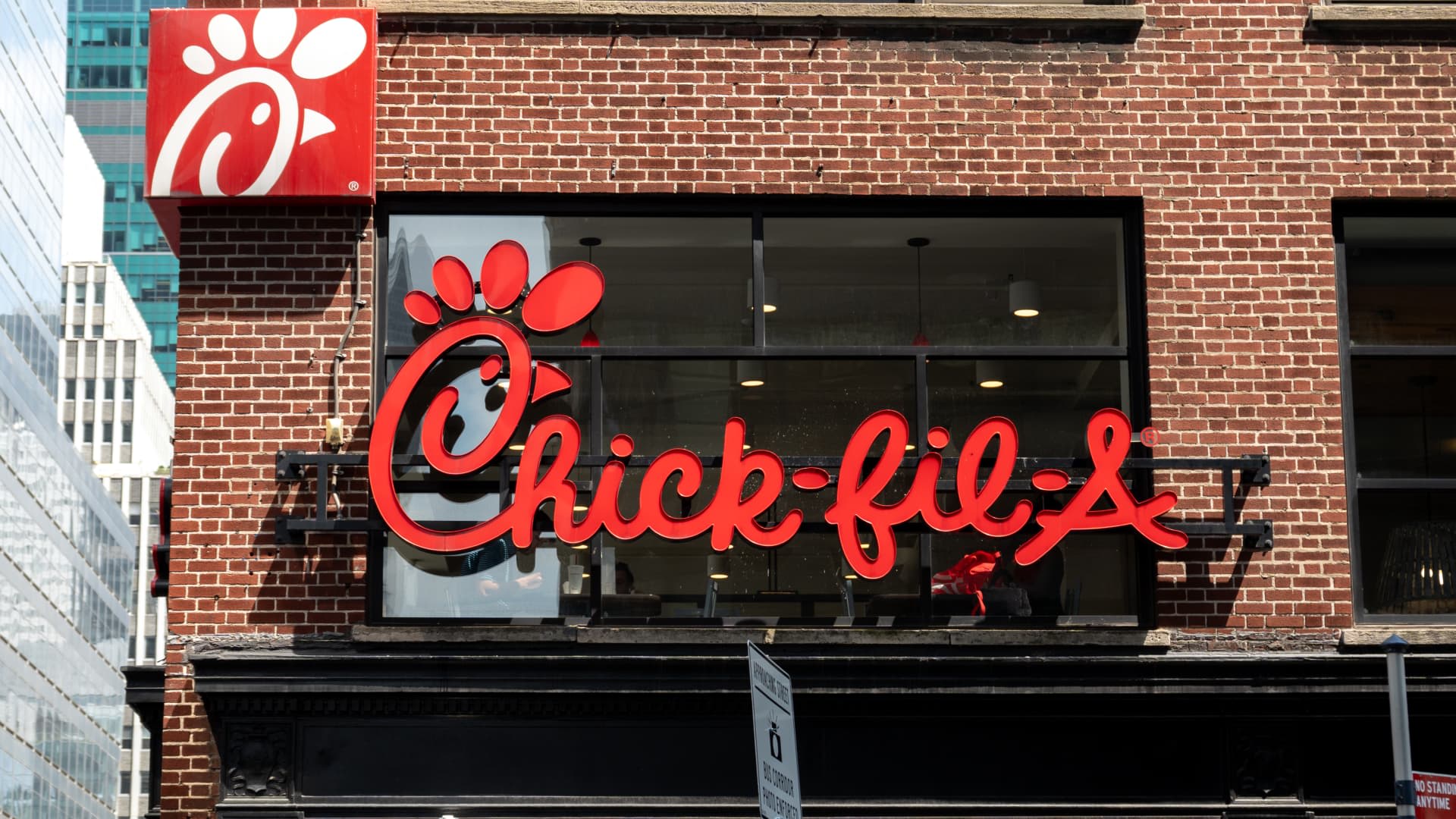
Chick-fil-A is navigating global expansion while maintaining its family-owned structure under CEO Andrew Cathy. The chain faces industry-wide traffic slowdowns and increased competition amidst a challenging economic landscape.
Chick-fil-A’s Strategic Evolution: Balancing Tradition and Growth
A Legacy of Leadership
Chick-fil-A, a cornerstone of the American quick-service restaurant industry, currently finds itself at a critical strategic crossroads. Under the leadership of CEO Andrew Cathy, who assumed the role nearly five years ago from his father, Dan Cathy, the brand is grappling with the complexities of maintaining a family-owned legacy while pursuing aggressive international expansion. This transition marks the third generation of leadership since the company was founded by S. Truett Cathy, whose original vision emphasized a distinct corporate culture that has remained central to the brand's identity even as it scales globally.
Navigating the Global Frontier
The brand’s recent push into international markets, including locations as far-flung as Singapore, signifies a major departure from its historic reliance on a Southeastern United States stronghold. This geographic diversification is essential for long-term growth, yet it presents significant operational hurdles. Expanding a brand that relies heavily on a specific, culture-driven service model into diverse foreign markets requires a delicate balance between standardization and local adaptation. Andrew Cathy’s mandate is to ensure that the core values of the family business are not diluted as the physical footprint of the chain expands across borders.
The Economic Headwinds
Since Andrew Cathy took the helm, the restaurant industry has been rocked by elevated inflation, which has fundamentally altered consumer spending habits. This economic climate has forced a shift in dining patterns; consumers have become increasingly selective, prioritizing value and necessity over convenience. Consequently, the industry has seen sluggish traffic across the board. Chick-fil-A, while long considered a dominant force in the chicken segment, is not immune to these macroeconomic pressures that have dampened overall performance metrics.
Competitive Pressures and Market Saturation
Beyond macroeconomic factors, Chick-fil-A faces a crowded and aggressive competitive landscape. A bevy of new chicken-focused rivals has emerged, aiming to challenge the brand’s long-standing dominance in the market. These competitors are often nimble and willing to experiment with menu innovations, forcing Chick-fil-A to constantly evaluate its own offerings. The company’s focus on growing its menu is a direct response to these pressures, as it seeks to maintain relevance in a market where customer loyalty is increasingly difficult to secure.
Future Outlook and Conclusion
Looking ahead, the success of the brand will likely hinge on its ability to maintain its family-owned governance structure while achieving the scalability required of a global enterprise. The recent disappointing results, driven by industry-wide traffic slowdowns, serve as a stark reminder that even market leaders must adapt to shifting consumer behaviors. By remaining rooted in its founding principles while simultaneously addressing the realities of modern economic volatility and intense competition, Chick-fil-A aims to secure its position as a global leader in the quick-service sector.