RBI likely to raise rates: Why inflation, crude and global rates matter
Source Entity
Akash Mandal, George Mathew
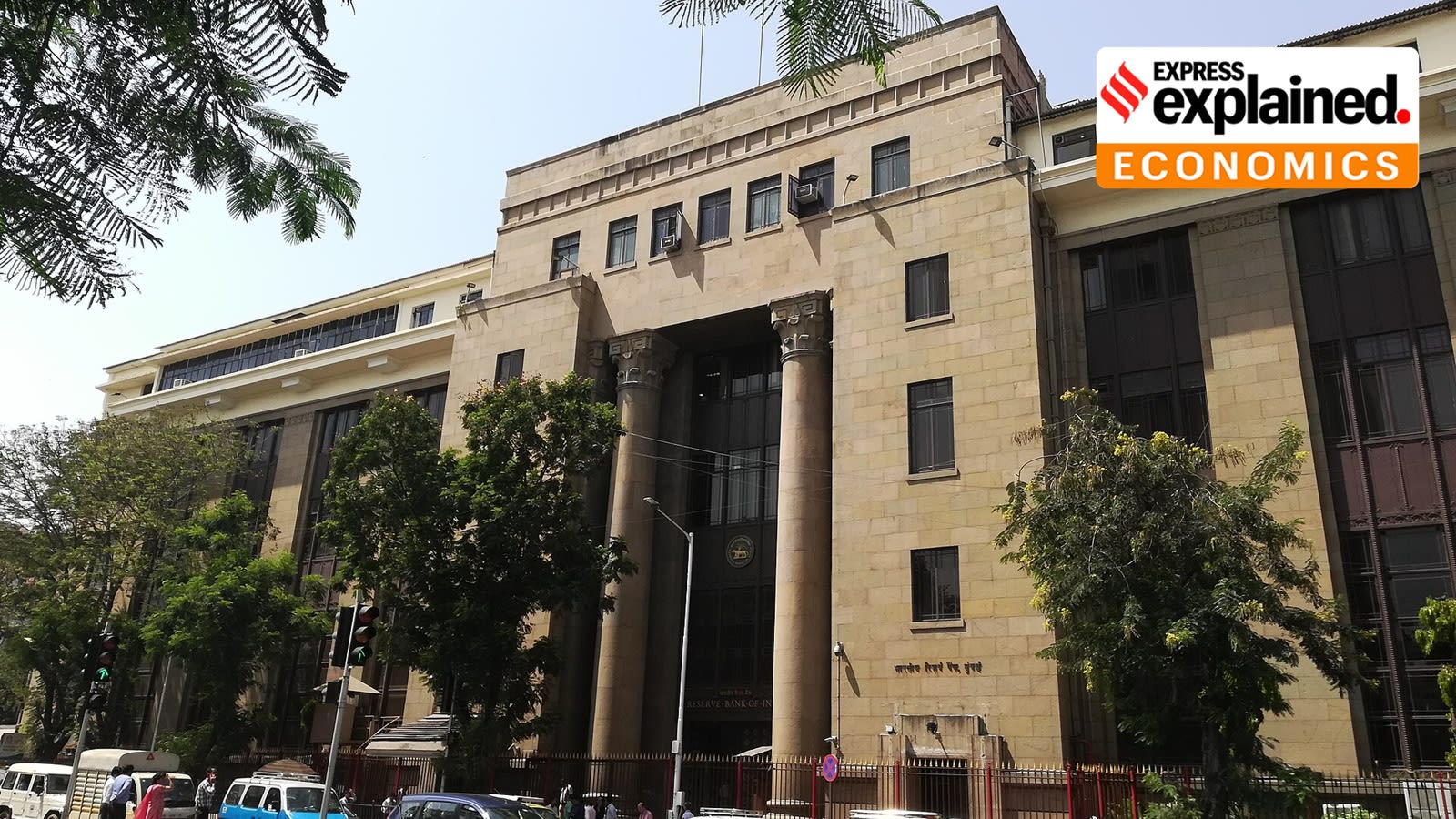
The Reserve Bank of India is anticipated to shift from a cycle of monetary accommodation to a tightening phase, with a likely 25 basis point repo rate hike. This expected move, alongside corporate earnings and global economic pressures, will likely drive volatility in Indian stock markets.
The Pivot in Indian Monetary Policy
The Indian financial landscape is currently bracing for a significant shift in monetary strategy as the Reserve Bank of India (RBI) prepares to address a complex macroeconomic environment. After a prolonged period of monetary accommodation that supported growth during challenging times, the central bank is now poised to begin withdrawing policy support. The upcoming Monetary Policy Committee (MPC) meeting is widely expected to mark the end of the rate-cutting cycle that has been in place since February 2025, signaling a transition toward a more hawkish stance.
The Mechanics of the Expected Rate Hike
Market participants are largely anticipating a 25 basis point hike in the repo rate, which would bring the benchmark to 5.50%. This adjustment is not merely a technical change; it represents a strategic response to inflationary pressures that have begun to exceed the RBI’s previous forecasts. By raising the repo rate, the central bank aims to dampen inflationary expectations, though the move will inevitably lead to an increase in borrowing costs for both retail consumers and corporate entities, impacting home, vehicle, and personal loans.
Domestic Triggers and Corporate Performance
Beyond the central bank’s policy maneuvers, the Indian stock market is entering a critical phase as the corporate earnings season commences. Investors are looking to these quarterly reports to gauge the underlying health of the economy amidst tightening liquidity. The interplay between the RBI’s policy stance and corporate profitability will be a primary determinant of market direction. As growth projections are revised, the market will closely monitor how businesses navigate the rising cost of capital.
Global Influences and Market Volatility
Indian equities do not operate in a vacuum, and the current volatility is heavily influenced by global factors. Fluctuations in crude oil prices remain a significant concern, as they directly impact India's import bill and inflation trajectory. Simultaneously, global bond yields are acting as a barometer for international investor sentiment. The correlation between these external pressures and domestic policy decisions creates a multifaceted environment where even minor shifts in global yield curves can trigger significant portfolio rebalancing in the Indian markets.
Assessing Growth and Inflation Projections
As the MPC deliberates, the revision of GDP growth and inflation estimates will be as important as the rate decision itself. Analysts suggest that while inflation necessitates tightening, the economy has demonstrated enough resilience to absorb these measures without stalling growth. This delicate balance—managing liquidity while maintaining a growth-oriented environment—remains the core challenge for the central bank in the coming months.
Conclusion: Navigating a New Economic Cycle
The convergence of a potential rate hike, the start of the earnings season, and volatile global commodity pricing suggests that market participants should prepare for continued turbulence. While the transition toward a higher interest rate environment may present short-term challenges for equity valuations and borrowing costs, it is viewed as a necessary step to anchor inflation and ensure long-term macro-financial stability. Investors will continue to look for cues from the RBI regarding the trajectory of future policy moves as the fiscal year progresses.