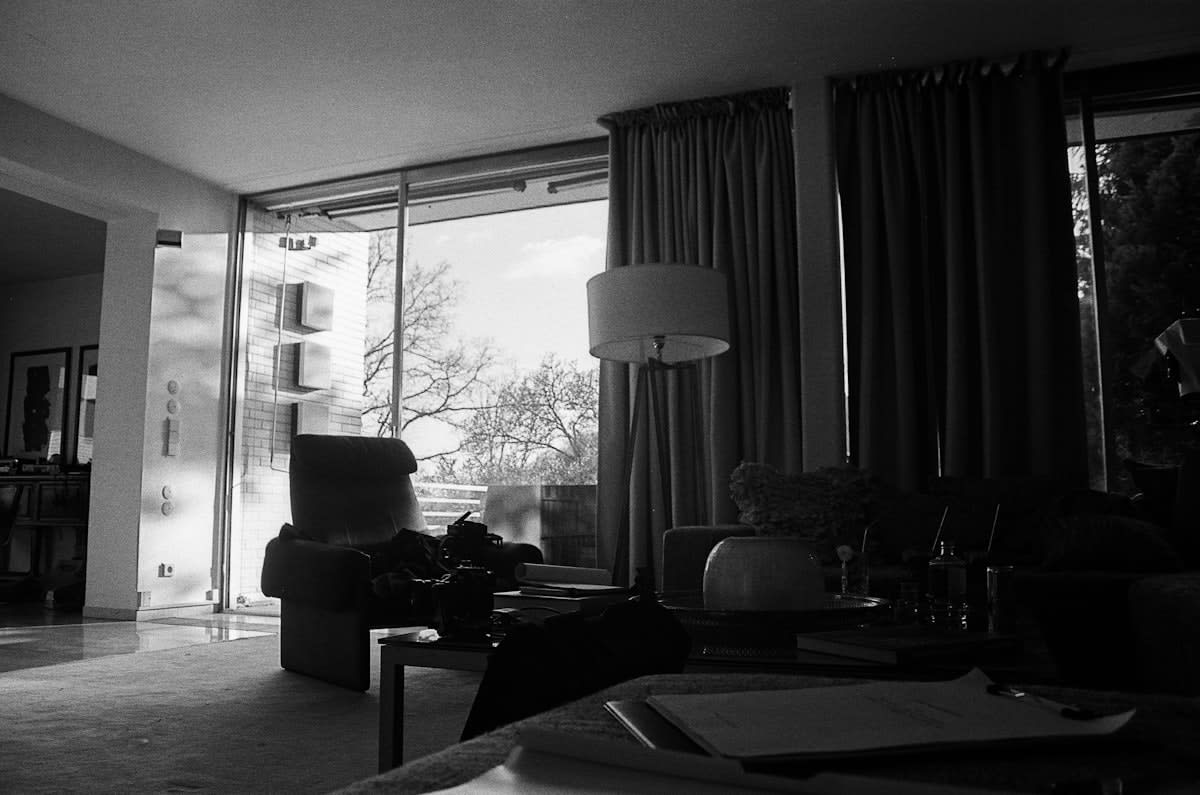
Look around any airport lounge or mid-range hotel from 2015. You will see it: the oppressive reign of Millennial Gray. It was a world of white walls, light-oak floors, and a relentless commitment to the sans-serif font. We called it minimalism, but in reality, it was a visual erasure. This Global Minimalist aesthetic didn't just simplify our spaces; it flattened our cultural markers into a single, breathable, but utterly boring, corporate vacuum.
Is this the end of the 'clean' era? The evidence suggests a violent pivot. We are witnessing a systemic migration toward what practitioners are calling Visual Chaos—a blend of maximalism, 'cluttercore,' and high-contrast eclecticism. This isn't a mere trend cycle. It is a psychological correction. After years of living in digital and physical spaces designed for frictionless efficiency, the human brain is starving for stimulation.
The Psychology of the Sterile Void
Minimalism was sold as a liberation from consumerism, but it morphed into a status symbol of the elite. To have a perfectly empty room is to signal that you have the wealth to outsource the mess of living. However, this sterility eventually hit a wall of diminishing returns. When every coffee shop in Seoul looks exactly like a coffee shop in Berlin, the aesthetic loses its power to signify taste and begins to signify anonymity.
"The pivot toward maximalism is not about adding more stuff; it is about reclaiming the narrative of the self. Minimalist spaces demanded that the inhabitant fit the room. Maximalist spaces allow the room to reflect the inhabitant."— Elena Rossi, Lead Trend Forecaster at WGSN
This shift accelerated during the global lockdowns of the early 2020s. When the home became the office, the gym, and the sanctuary, the 'gallery' look failed. People realized that a white cube is a terrible place to spend twenty-four hours a day. They began surrounding themselves with objects that triggered memory and emotion—bright colors, mismatched textures, and inherited heirlooms. The 'Dopamine Decor' movement, which saw a 40% increase in social media mentions between 2021 and 2023 (Source: Pinterest Trends Report, 2023), was the first loud signal of this rebellion.
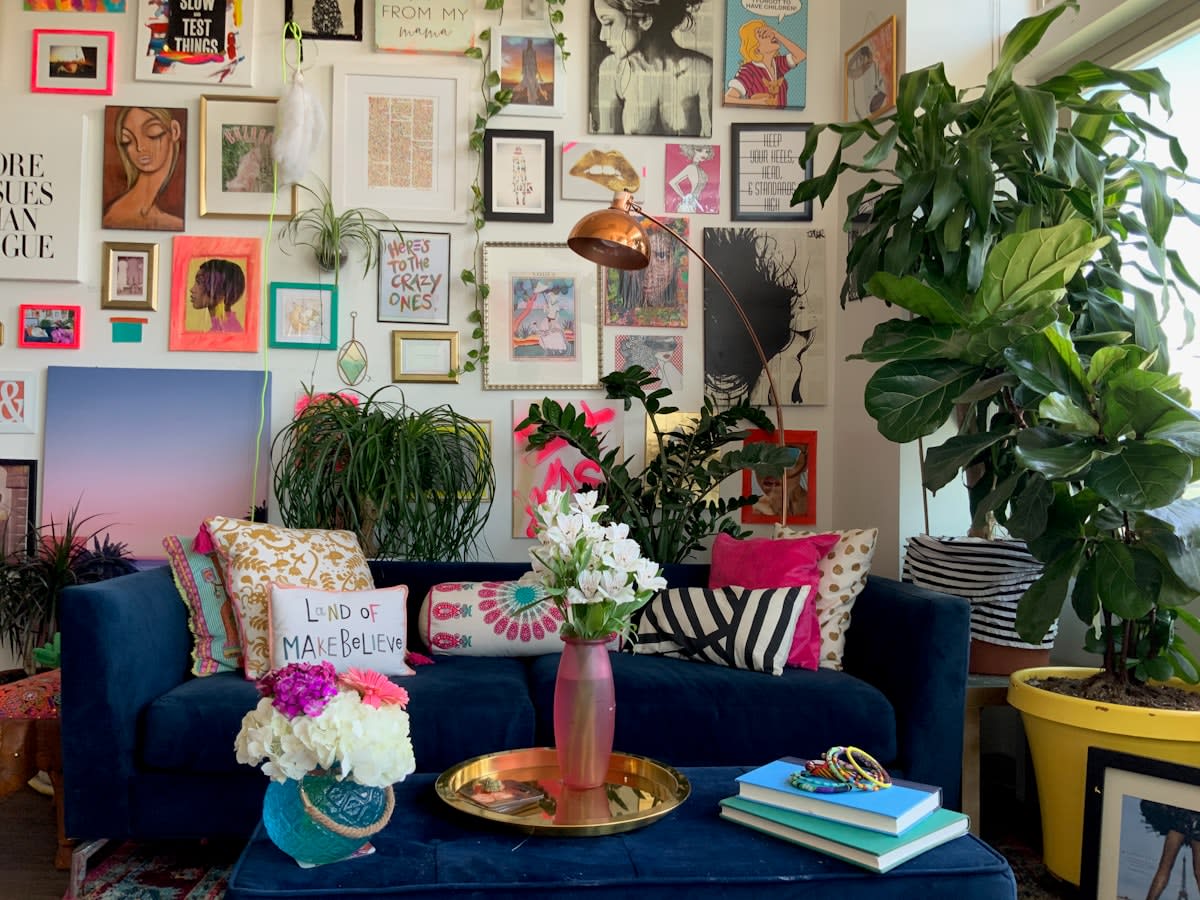
We are moving from a period of subtraction to a period of curation. The goal is no longer to see how much we can remove, but how much we can layer without losing the thread of meaning. This is a move toward visual storytelling.
Global Divergence: Beyond the Western Lens
The death of the Global Minimalist aesthetic is manifesting differently across regions. In East Asia, the rigid adherence to 'Zen' minimalism is being challenged by a new wave of 'Zakka' influence—an appreciation for the mundane, the cluttered, and the cozy. In Latin America, the pivot is less of a change and more of a reclamation, as designers move away from European-inspired minimalism back toward indigenous color palettes and bold, organic geometries.
In Scandinavia, the home of minimalism, we see the evolution of 'Hygge' into something more eclectic. The pale woods are being replaced by deep jewel tones and heavy textiles. It is a response to the 'digital fatigue' that has plagued the northern hemisphere. When your entire professional life exists in a flat, two-dimensional screen, you crave three-dimensional, tactile chaos in your physical environment.
| Feature | Global Minimalist (2010-2020) | Visual Chaos (2021-Present) |
|---|---|---|
| Primary Goal | Frictionless Efficiency | Emotional Resonance |
| Color Palette | Grays, Whites, Beiges | High-Contrast, Jewel Tones |
| Psychological Driver | Control & Order | Identity & Nostalgia |
| Key Influence | Corporate Modernism | Personal History & Eclecticism |
| Spatial Logic | Subtraction | Layering |
This regional divergence proves that the 'Global' part of Global Minimalism was always a facade. It was a design language imposed by a few powerful hubs of influence. Now, the periphery is pushing back, insisting that beauty is not synonymous with emptiness.
The Practitioner's Friction: The Agency Struggle
On the ground, this shift is creating immense friction within design agencies. For years, the 'safe' bet was a clean, minimal layout. If a designer presented a bold, chaotic concept to a client, the immediate response was usually 'It feels too busy' or 'It lacks professional polish.' But the tide is turning. We are now seeing a generation of creative directors who view minimalism as a sign of laziness—a failure to actually solve a problem, hidden behind a white background.
The internal debate now centers on the concept of 'curated chaos.' How do you provide the stimulation the modern consumer craves without creating actual cognitive overload? Practitioners are experimenting with 'maximalist grids'—structures that allow for a high volume of visual information while maintaining a hidden, rigorous logic. It is a high-wire act of balancing anarchy and architecture.
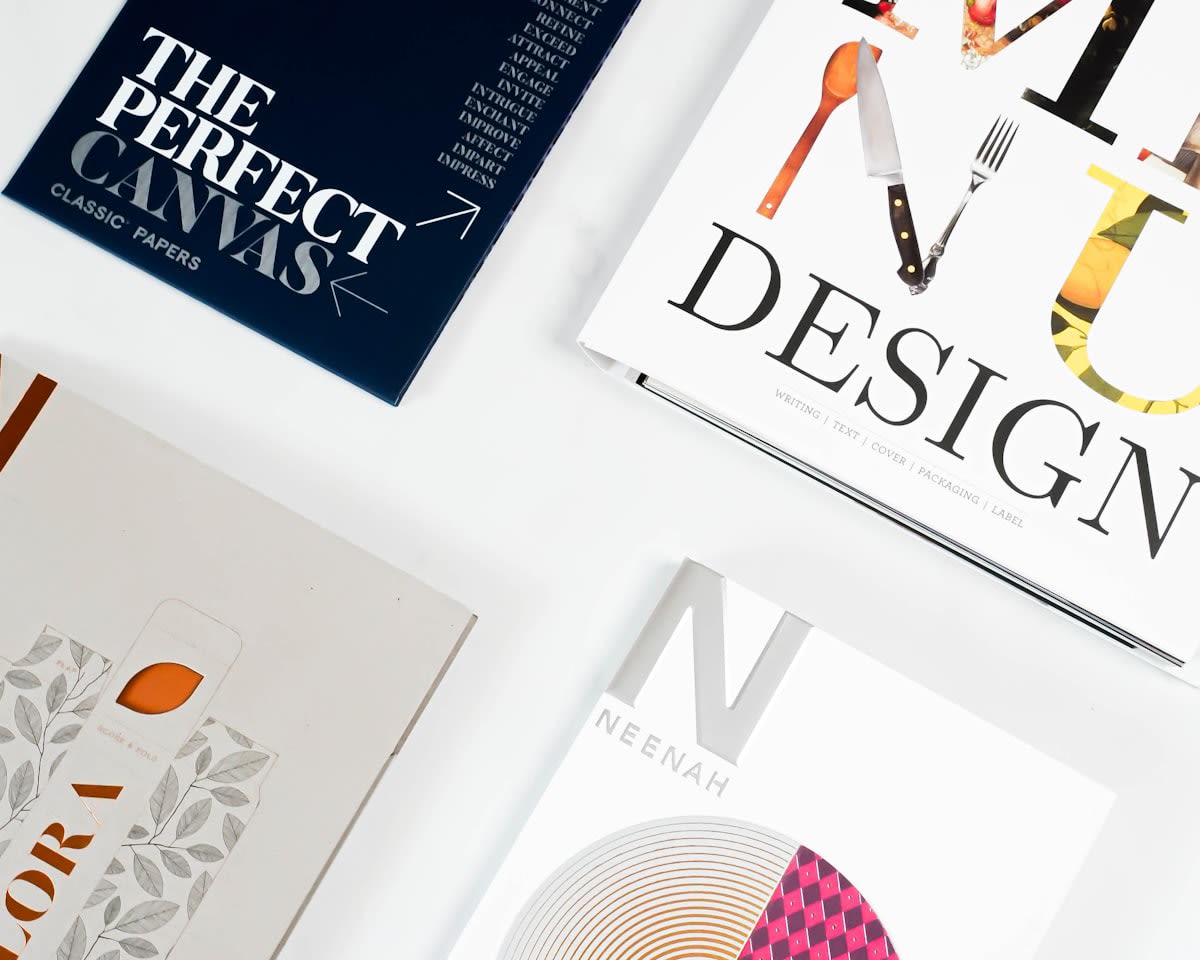
This tension is most evident in UI/UX design. The industry is moving away from the 'Bento box' layout toward more fluid, expressive interfaces. According to a 2024 industry survey by the Interaction Design Foundation, there has been a marked increase in the adoption of 'anti-design' elements—intentionally breaking conventions to create a sense of authenticity and human touch (Source: Interaction Design Foundation, 2024).
The Economic Engine of Maximalism
Minimalism was economically efficient. It relied on mass-produced, interchangeable furniture and a limited palette of materials. Visual Chaos, however, is an engine for the 'circular economy.' It encourages the mixing of vintage pieces with new acquisitions, driving a surge in the second-hand luxury market. The resale market for eclectic home decor has grown by an estimated 15% annually since 2020 (Source: ThredUp Resale Report, 2023).
This shift also benefits local artisans. When the goal is no longer a 'universal' look, the value of the unique, the handmade, and the culturally specific skyrockets. We are seeing a revival of regional crafts—from Mexican Talavera pottery to Indian block printing—integrating into modern living spaces not as 'accents,' but as core components of the visual narrative.
Is this just a pendulum swing? Perhaps. But the drivers are systemic. We are reacting to a world that feels increasingly simulated. In an era of AI-generated perfection, the 'glitch,' the 'clutter,' and the 'chaos' are the only remaining markers of human presence.
Strategic Insight
The transition from minimalism to maximalism is not a return to the excess of the 1980s. Instead, it is a sophisticated layering of meaning, where the 'chaos' is intentional and the 'clutter' is curated. It is an aesthetic of abundance, not just consumption.
Fact-Check & Accuracy Note
Key claims regarding the rise of Dopamine Decor and resale market growth are sourced from Pinterest Trends (2023) and ThredUp (2023). Data on UI/UX shifts are attributed to the Interaction Design Foundation (2024). The conceptual framework of 'Global Minimalism' is based on ongoing architectural discourse regarding the homogenization of urban spaces.