Kerala High Court issues interim order permitting conduct of Mayilpeeli scholarship examination
Source Entity
India Latest News: Top National Headlines Today & Breaking News | The Hindu
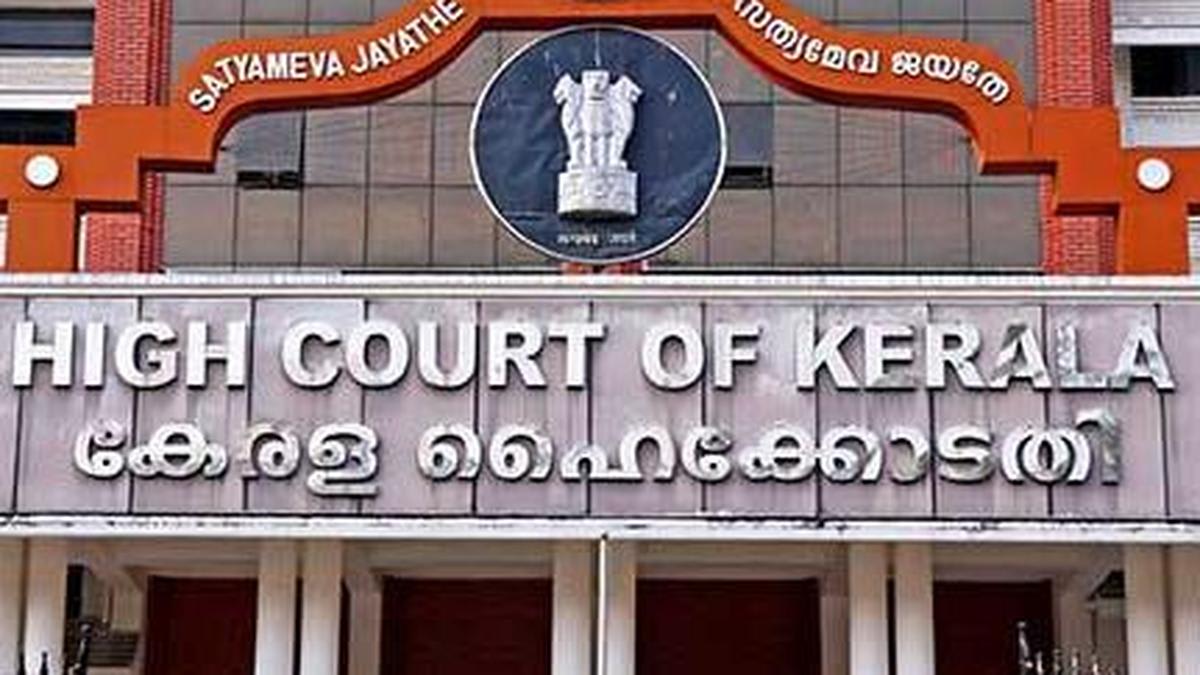
The Kerala High Court has allowed the Mayilpeeli scholarship exam to proceed on November 22, despite government objections. However, the court has prohibited the release of results or future exams without further judicial approval.
Kerala High Court Intervention in Mayilpeeli Scholarship Examination
Judicial Balance and Administrative Oversight
The Kerala High Court, under the bench of Justice Gopinath P., has issued an interim order concerning the Mayilpeeli scholarship examination. By permitting the event to proceed on November 22 while simultaneously placing strict conditions on the publication of results, the court has demonstrated a nuanced approach to balancing the immediate logistical commitments of the organizers against the substantive legal challenges raised by the state government.
The Government’s Position on Affiliation
During the judicial proceedings, the state government clarified its stance, noting that the initial authorization granted to the organization was a administrative error. The government explicitly rescinded its prior permission, citing a policy framework that restricts organizations affiliated with political parties or religious groups from conducting such examinations. This highlights a broader, ongoing debate in India regarding the separation of institutional education from potentially partisan or sectarian influence.
Contextualizing the Regulatory Conflict
The tension here stems from the state's mandate to oversee educational standards and prevent the encroachment of non-secular or political entities into the academic lives of students. By arguing that the permission was a 'mistake,' the government suggests a rigorous, albeit reactive, review process intended to safeguard the integrity of public and private scholarship programs operating within the state jurisdiction.
Legal Implications of the Interim Order
The court’s decision to allow the exam but block the declaration of results serves as a 'status quo' mechanism. It prevents the immediate disruption of students who have prepared for the November 22 date, while ensuring that the organization cannot finalize any outcomes until the legal standing of their affiliation is thoroughly vetted. This procedural move protects the interests of the participants while the court deliberates on the validity of the government's revocation order.
Future Trends and Judicial Precedent
This case underscores the increasing scrutiny applied to private scholarship and examination bodies in Kerala. As the judiciary continues to weigh the eligibility of these organizations, the final ruling will likely set a significant precedent for how political and religious affiliations are treated in the context of academic testing. Future organizers will likely face more stringent vetting processes as the government moves to enforce stricter compliance regarding the neutrality of educational assessments.
Summary of the Legal Stance
In conclusion, the Kerala High Court has successfully navigated a complex administrative dispute by prioritizing student participation while maintaining strict judicial oversight. The outcome of this case will be pivotal in defining the boundaries of organizational involvement in student scholarship programs, ensuring that future examinations align with established governmental and legal standards regarding institutional independence.
Verification Required?