Ludhiana: AQI mounts to 263 as farm fire tally crosses last year’s count
Source Entity
Latest News: Todays Latest News Headlines from India & World | Hindustan Times
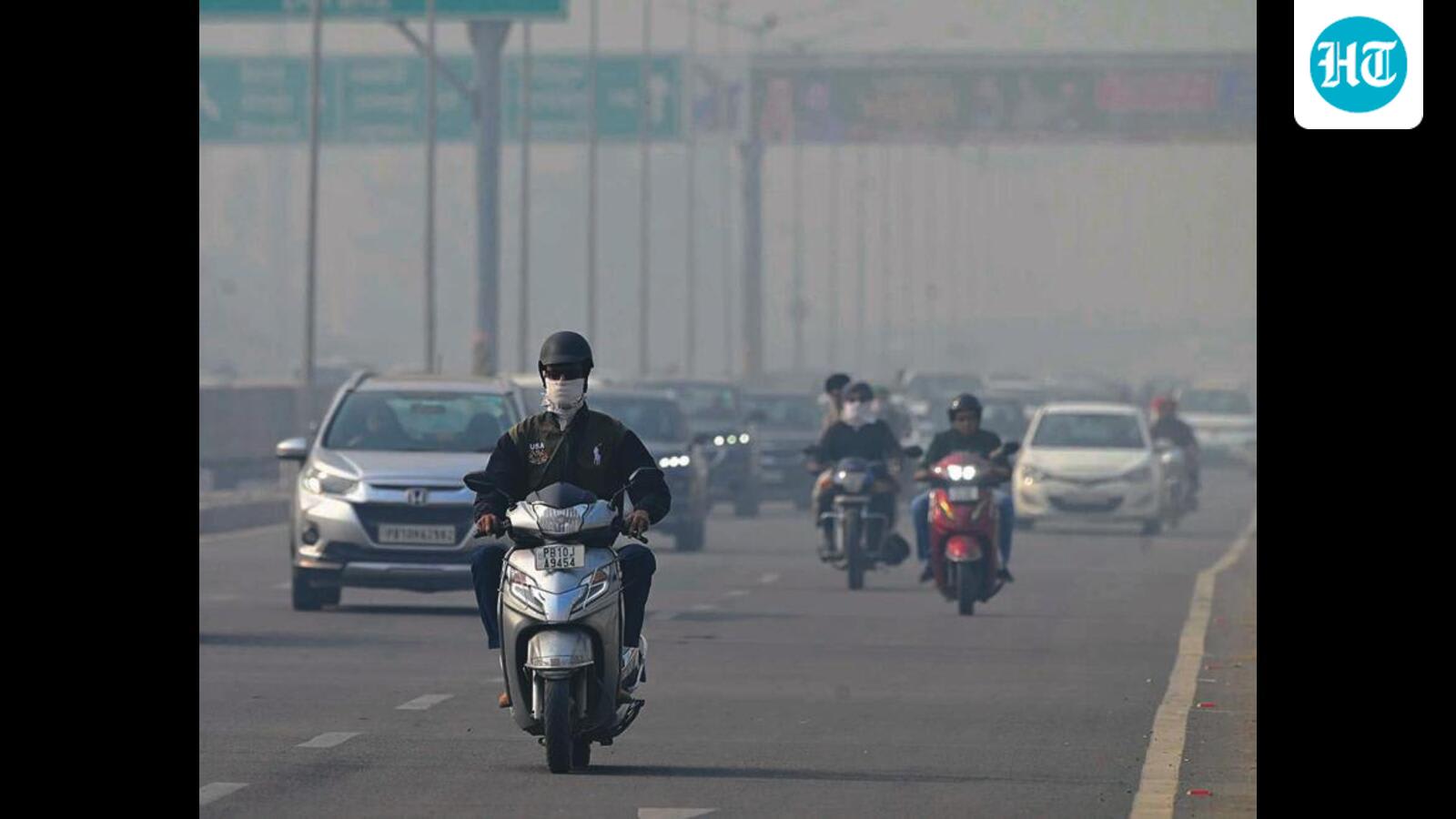
Ludhiana is facing an environmental and civic crisis as air quality drops to 'poor' levels due to a surge in stubble burning. Simultaneously, poor sanitation and road safety hazards are further endangering residents' lives.
The Dual Crisis: Environmental Degradation and Civic Neglect in Ludhiana
Ludhiana is currently grappling with a severe environmental crisis as air quality levels have plummeted, with the Air Quality Index (AQI) reaching 263. This deterioration is directly linked to an alarming rise in stubble-burning incidents, which have reached 372—a figure that significantly surpasses the 219 incidents recorded throughout the entire paddy season last year. This surge is particularly concerning given that 99.7% of the harvest has already been completed, suggesting that the current burning is occurring post-harvest, likely to clear fields rapidly for the next crop cycle.
The Human Cost of Poor Air Quality
The consequences of this environmental mismanagement are not merely statistical; they are proving fatal. The thick smog associated with stubble burning has already contributed to a tragic road accident in the Doraha area of Khanna, resulting in the death of 55-year-old Manjit Kaur and leaving three others injured. Reduced visibility on roads due to smoke, combined with the respiratory health risks posed by poor air quality, represents a dangerous intersection of agricultural practice and public safety.
Accountability and Enforcement Challenges
Data from the Punjab Pollution Control Board (PPCB) highlights the difficulty of enforcement. Between September 15 and November 19, officials inspected 358 fields and confirmed 198 active cases of stubble burning. Despite these efforts, the rising tally indicates that current regulatory measures are struggling to deter farmers from the practice. The disconnect between policy enforcement and field-level compliance remains a primary hurdle in managing the state’s seasonal air pollution crisis.
Deteriorating Urban Infrastructure
Beyond the regional issue of smog, Ludhiana is facing localized civic failures that compound the suffering of its citizens. In Ward 1, particularly in the vicinity of the Grain Market, residents are battling rampant encroachments, uncollected waste, and stagnant water. These conditions have created a public health emergency, with residents reporting foul stenches and fearing the potential outbreak of vector-borne diseases. The failure of local authorities to address these crumbling conditions has left the community in a state of neglect.
Future Implications and Policy Outlook
If the combination of agricultural smoke and urban sanitation failure continues, Ludhiana faces a long-term decline in livability. The recurring nature of these problems suggests that short-term fixes are insufficient. Future trends will likely require a shift toward more robust, technology-driven monitoring of field fires and a fundamental restructuring of municipal waste management services. Without a proactive approach to both environmental policy and urban governance, the city risks a cycle of recurring health and safety crises that will continue to claim lives and degrade the quality of life for its residents.
Verification Required?