The Great Beige Retreat
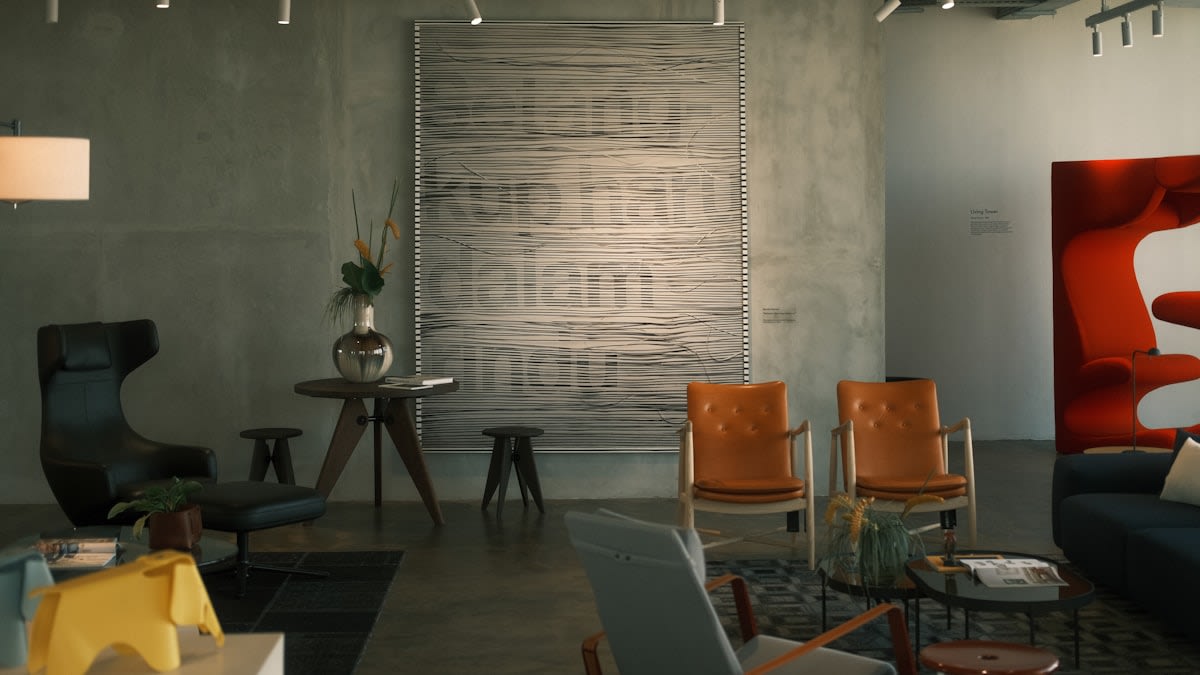
For nearly a decade, the global aesthetic was dictated by a singular, sterile vision: the 'Instagram Interior.' It was a world of white walls, light oak floors, and a color palette that could best be described as 'expensive oatmeal.' This look, often termed Millennial Gray, didn't just occupy our homes; it colonized our visual consciousness through algorithmic repetition. But look around any design district from Seoul to Sao Paulo this month, and you will see the cracks. The clinical precision is being dismantled. People are no longer designing their homes to be photographed; they are designing them to be lived in, often loudly and messily.
Why the sudden pivot? The fatigue is psychological as much as it is aesthetic. After years of digital curation, the 'perfect' home became a performance—a stressful maintenance project rather than a sanctuary. We are witnessing a systemic rejection of the 'curated life.' The shift toward aggressive maximalism is a reclamation of identity in an era of AI-generated homogeneity. Why settle for a living room that looks like a luxury hotel lobby when you can have a space that reflects a lifetime of travel, obsession, and genuine human clutter?
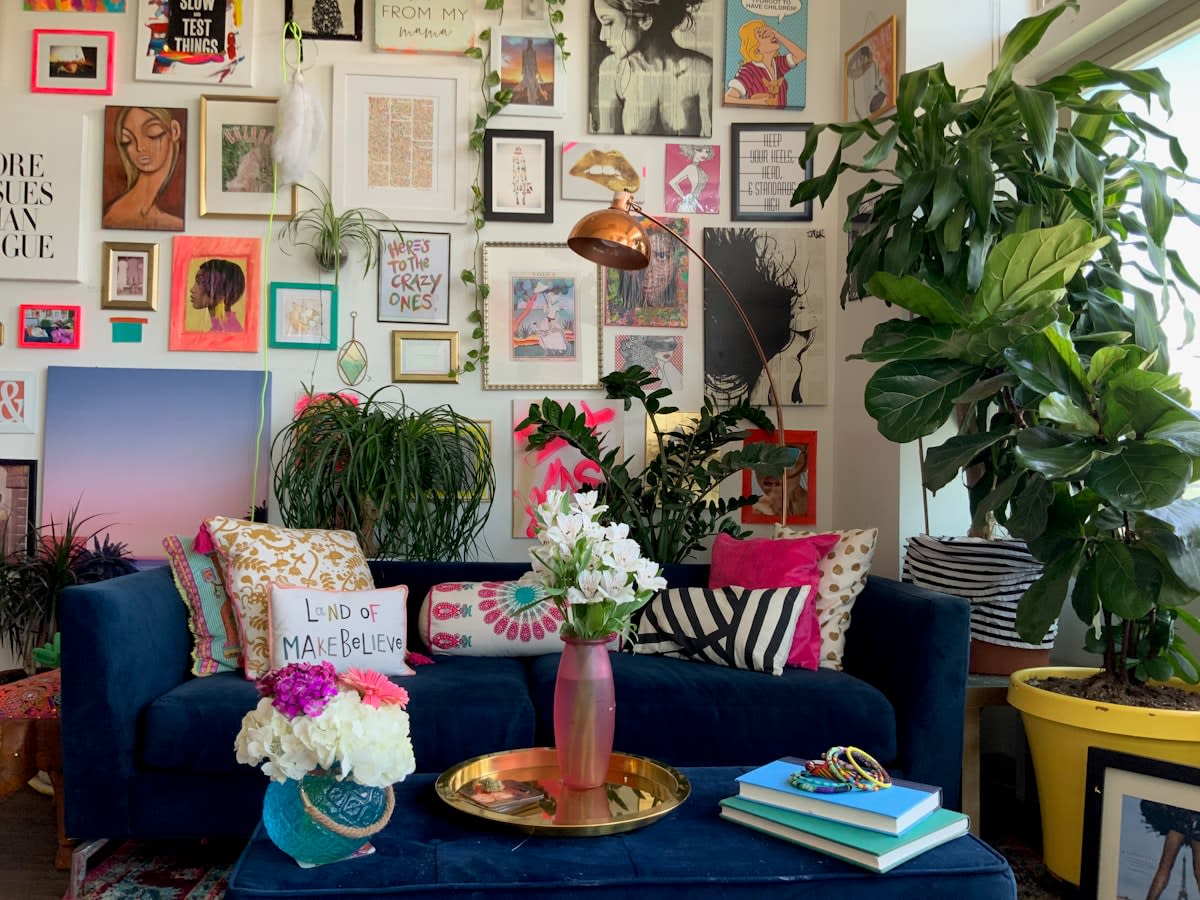
This isn't just a localized quirk of Western Gen Z. In Tokyo, the 'cluttercore' movement is manifesting as a sophisticated layering of vintage collectibles and neon accents, breaking away from the strict Zen minimalism that previously dominated urban apartments. In Mexico City, we see a surge in 'maximalist traditionalism,' where vibrant indigenous textiles are paired with mid-century modern furniture in a way that feels intentionally crowded. The common thread is a desire for sensory stimulation. We are starving for texture, color, and the visual noise of actual human existence.
"The pendulum always swings, but this isn't just a swing—it's a break. We are seeing a transition from 'status through subtraction' to 'status through curation.' The goal is no longer to show how much you can live without, but how much you can love and display."— Elena Rossi, Senior Design Strategist at WGSN
The delta between 2023 and 2024 is stark. Twelve months ago, 'minimalism' was still the default setting for real estate staging and new builds. Today, the conversation has shifted toward 'Dopamine Decor'—the practice of using colors and objects that trigger an immediate emotional reward. According to data from Pinterest's 2024 Trend Predictions, searches for 'maximalist home decor' and 'colorful interiors' have seen a year-over-year increase of over 150% (Source: Pinterest Predicts, 2024). The sterile white box is no longer an aspirational goal; it is a void.
The Practitioner's Friction: Soul vs. System
On the ground, this shift is creating a fascinating tension between architects and interior stylists. I have spent years observing this friction in design studios. Architects, trained in the school of 'form follows function,' often view the rise of maximalism as a regression into chaos. They argue that visual noise increases cortisol levels and disrupts the flow of a space. Conversely, the new wave of stylists argues that 'clean' lines are actually an architectural mask—a way to hide the lack of a personality. The debate in the studio is no longer about which chair is 'right,' but whether the room should feel like a gallery or a scrapbook.
This friction manifests most clearly in the 'curated clutter' debate. There is a fine line between a room that feels 'collected' and a room that feels 'hoarded.' Professionals are now debating the 'science of the pile'—how to layer objects so they feel intentional rather than accidental. It requires a deeper understanding of color theory and spatial balance than minimalism ever did. In minimalism, you just remove the problem; in maximalism, you have to integrate the problem into the art.
| Feature | The Instagram Interior (2015-2022) | Aggressive Maximalism (2024+) |
|---|---|---|
| Primary Palette | Beige, White, Grey, Sage | Jewel Tones, Neon, Clashing Primaries |
| Object Philosophy | Subtraction / Essentialism | Addition / Sentimentality |
| Visual Goal | Cohesion & Calm | Stimulation & Storytelling |
| Sourcing | Mass-market 'Modern' (IKEA, West Elm) | Vintage, Thrifted, Global Artisan |
The economic drivers are equally compelling. The rise of the 'pre-loved' economy has fueled this trend. As the cost of new, high-end furniture skyrockets, the younger generation is turning to vintage markets and digital thrifting. This naturally leads to an eclectic mix of styles—a 1970s velvet sofa paired with a 1990s neon lamp and a hand-woven rug from a Moroccan souk. It is an aesthetic of necessity that has evolved into an aesthetic of choice.
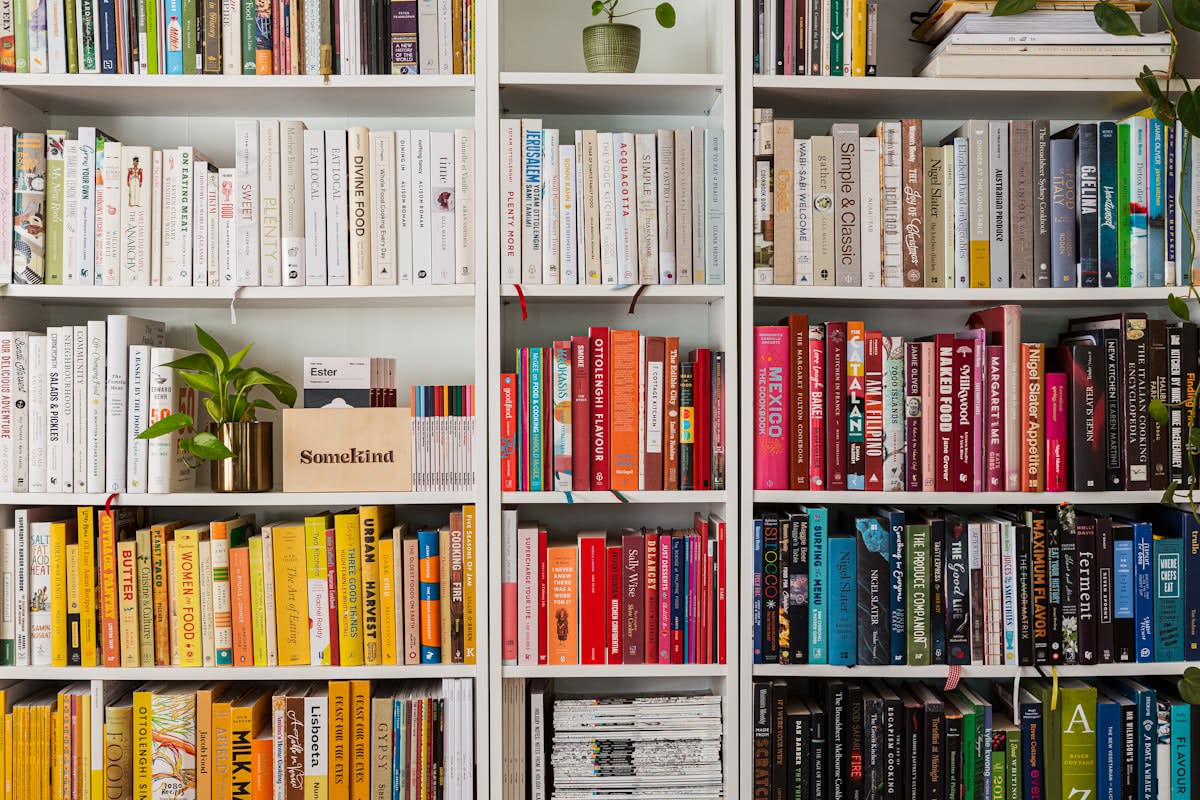
But is this just a fleeting reaction? To understand the longevity of this shift, we must look at the 'clutter' as a form of emotional armor. In an increasingly volatile world, the home is becoming a tactile museum of the self. When the outside world feels unpredictable, surrounding oneself with physical reminders of identity, history, and joy becomes a survival mechanism. It is not about 'stuff'; it is about the narrative that the stuff tells.
- The rejection of 'algorithmic' taste in favor of idiosyncratic choices.
- A surge in the second-hand furniture market, driven by both sustainability and affordability (Source: ThredUp Resale Report, 2023).
- The rise of 'Dopamine Decor' as a mental health tool for creating joy-inducing environments.
- A shift from globalized minimalism (the 'AirBnB look') to localized, culturally specific maximalism.
Ultimately, the death of the Instagram Interior is a victory for the individual. We are moving away from a period where we asked, 'Will this look good in a photo?' and moving toward a period where we ask, 'Does this make me feel like myself?' The result is a world that is louder, messier, and infinitely more interesting. The beige era was a pause; the maximalist era is the symphony.
Fact-Check & Accuracy Note
The key claims regarding the surge in 'Dopamine Decor' and maximalist searches are sourced from Pinterest's 2024 Trend Predictions. Market shifts toward resale are attributed to the ThredUp Resale Report (2023). The industry perspective on 'status through curation' is based on trend forecasting frameworks used by WGSN. There remains an ongoing debate among psychological researchers regarding whether maximalist environments increase stress or provide emotional comfort.