Trump claims ‘friend’ Putin told him Ukraine war wouldn't have started if he were POTUS then
Source Entity
Latest News: Todays Latest News Headlines from India & World | Hindustan Times
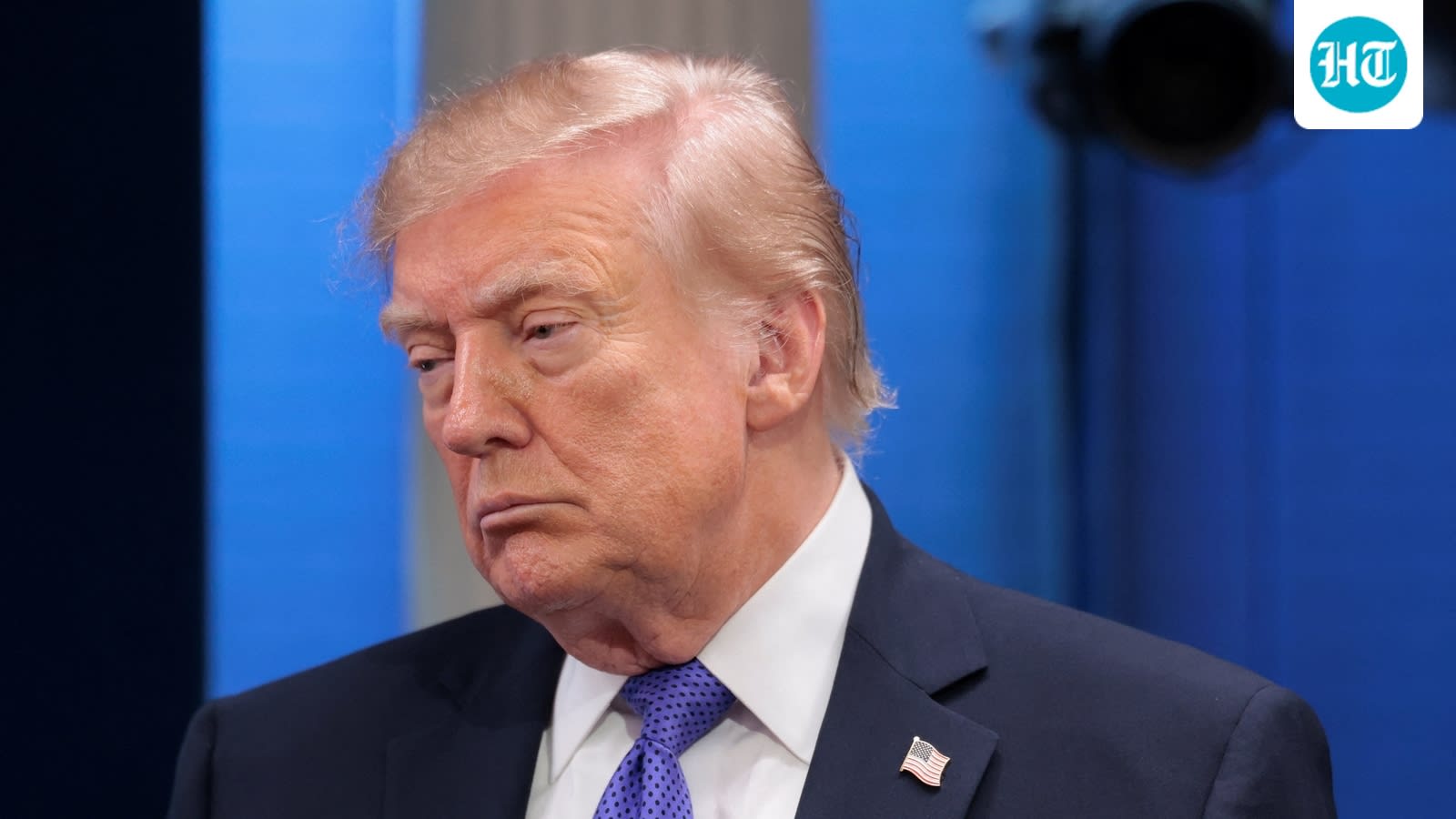
US President Donald Trump, Chinese President Xi Jinping, and Russian President Vladimir Putin are convening in Shenzhen during the APEC summit. The leaders aim to navigate critical global challenges, including nuclear arms control, ongoing conflicts in Ukraine and Iran, and intensifying trade and tech rivalries.
A New Global Architecture: The Shenzhen Trilateral
The gathering of US President Donald Trump, Chinese President Xi Jinping, and Russian President Vladimir Putin in Shenzhen marks a potential inflection point in 21st-century diplomacy. As these three leaders converge alongside the APEC Economic Leaders Summit, the meeting serves as a high-stakes arena where personal rapport is tested against rigid strategic interests. The symbolism of this meeting, drawing comparisons to the historic Yalta Conference, underscores the gravity of the current geopolitical climate, where the world’s three most influential powers seek to manage the friction of a multipolar order.
Tackling the Nuclear Frontier
A primary pillar of the discussions in Shenzhen is the effort to establish a framework for nuclear arms control. President Trump has explicitly identified the initiation of three-way talks as a top priority. Historically, nuclear stability relied on bilateral agreements between Washington and Moscow; however, the inclusion of Beijing is now viewed as an existential necessity by the US. Whether these powers can overcome deep-seated mistrust to create a trilateral mechanism remains one of the most significant diplomatic hurdles of the modern era.
Managing Active Theaters of War
The urgency of the summit is compounded by two active, destabilizing conflicts: the war in Ukraine and the ongoing war in Iran, which has now entered its ninth month. With global energy markets sensitive to the fallout in the Middle East and the security architecture of Europe in flux, the leaders are under immense pressure to find a path toward de-escalation. The Shenzhen meeting provides a rare venue for direct negotiation, though the divergent objectives of the three nations suggest that a quick resolution remains elusive.
The Intersection of Trade and Technology
Beyond traditional security, the trilateral dialogue is heavily influenced by economic and technological competition. The backdrop of the summit includes escalating tensions between China and Japan, as well as the friction caused by US scrutiny regarding Nvidia’s semiconductor chip sales to China. These tech rivalries are not merely commercial disputes; they are viewed as matters of national security. The leaders must address these trade-offs if they are to prevent a further decoupling of the global economy, which currently threatens to fragment supply chains and innovation ecosystems.
Future Implications for Global Order
The Shenzhen meeting serves as a litmus test for the future of international cooperation. As Washington, Beijing, and Moscow navigate these interconnected crises, the outcome of their dialogue will likely define the parameters of the global order for the next decade. If successful, the summit could stabilize volatile markets and reduce the risk of direct confrontation. If it falters, the world risks drifting further into a fragmented, competitive landscape defined by zero-sum calculations and increased military posturing.
Conclusion
As the skyline of Shenzhen remains illuminated for the APEC Summit, the focus remains on whether these three leaders can bridge the chasm between their respective visions. From the nuclear threshold to the ongoing conflicts in Ukraine and Iran, the stakes are undeniably high. The world watches to see if this meeting is merely a diplomatic formality or the beginning of a substantive effort to manage the most pressing dangers of our time.
Multiple Citing Sources
Verification Required?