Outrage, questions swirl as Army delays blowing up stockpile of toxic lead azide
Source Entity
Beth Mole
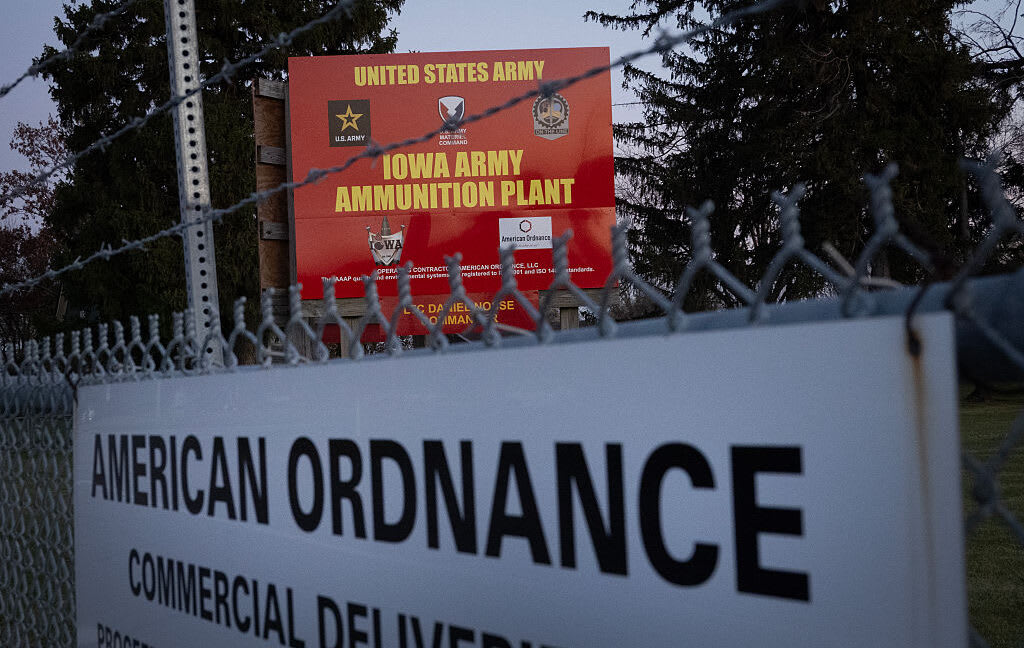
The US Army has delayed the detonation of 68 barrels of toxic lead azide in Middletown, Iowa, following public outcry. Modeling suggests the resulting neurotoxic plume could travel up to 100 miles, prompting officials to postpone the operation to improve community communication.
Crisis Averted: Army Delays Toxic Detonation in Iowa
The Immediate Threat of Lead Azide
The US Army’s decision to postpone the destruction of 68 deteriorating barrels of lead azide at the Middletown, Iowa installation marks a significant pivot in operational planning. Lead azide, a highly sensitive and volatile primary explosive, poses extreme risks when handled or destroyed through conventional detonation. The primary concern stems from the potential for these barrels to release a neurotoxic plume upon incineration, a scenario that has understandably triggered widespread anxiety among local residents and environmental observers alike.
Analyzing the Predictive Modeling
According to official modeling released by the Army, the thermal destruction of these materials could result in a toxic plume drifting as far as 100 miles north of the facility. The implication of such a spread is profound, as it suggests that a wide swath of the Iowa landscape could be exposed to airborne lead particles. Lead exposure is well-documented as a severe health hazard, particularly concerning neurotoxicity, which can cause long-term developmental and neurological damage to both humans and the surrounding ecosystem.
Infrastructure and Containment Challenges
The planned destruction was originally slated to take place within earth-covered magazines (ECMs), which are concrete structures designed to mitigate blast impact. However, the degradation of the storage barrels themselves complicates the safety profile of these structures. By choosing to detonate the materials in situ, the Army sought to avoid the risks associated with transporting unstable explosives; however, the trade-off is the inevitable atmospheric release of hazardous byproducts that containment structures cannot fully filter.
Community Outrage and Public Trust
The delay until Monday, November 23, serves as a cooling-off period intended to address the mounting outrage from the Middletown community. Public skepticism regarding the Army’s initial communication strategy highlights a critical gap in institutional transparency. When environmental hazards of this magnitude are managed, the failure to proactively engage local stakeholders often leads to heightened fear and a breakdown in the social contract between military installations and the civilian populations surrounding them.
Future Implications and Operational Standards
Moving forward, this event will likely serve as a case study for the military’s hazardous waste management protocols. The necessity of balancing the safe disposal of aging munitions with the protection of public health is becoming increasingly complex. As these stockpiles continue to age, the Army will face mounting pressure to develop cleaner, non-thermal disposal technologies that do not rely on open-air detonation or plume-generating incineration, ensuring that safety is prioritized over operational expediency.