Court rejects anticipatory bail pleas of six in Siddaramaiah ‘sting’ case
Source Entity
India Latest News: Top National Headlines Today & Breaking News | The Hindu
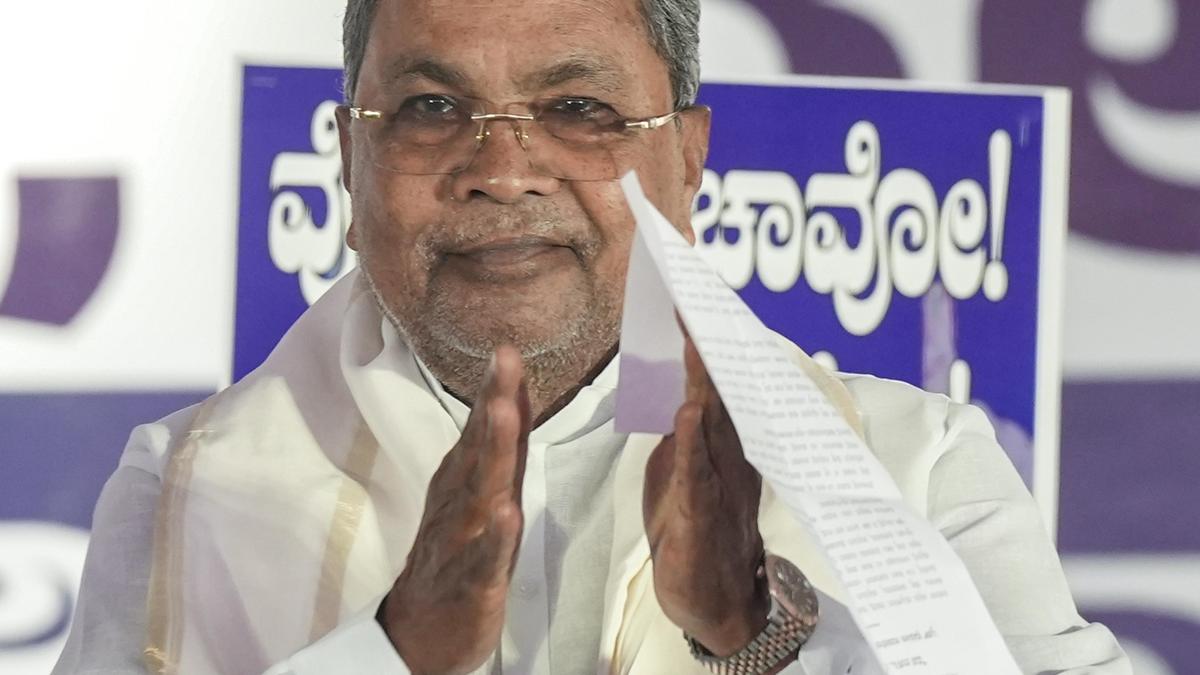
A Bengaluru court has denied anticipatory bail to six individuals linked to an alleged sting operation against former CM Siddaramaiah. The denial, opposed by city police, paves the way for potential custodial interrogations of the accused.
Legal Setback in the Siddaramaiah Sting Operation Case
A Bengaluru court recently delivered a significant legal blow to six individuals implicated in an alleged sting operation targeting former Karnataka Chief Minister Siddaramaiah. By rejecting the anticipatory bail pleas of Kripa Alva, Prajwal Prasad, Chandan, Vinod Kumar, Prashanth, and an unnamed sixth individual, the judiciary has signaled a rigorous approach to the unfolding investigation. This development underscores the gravity of the allegations, which revolve around clandestine efforts to compromise the political standing of a high-profile state leader.
The Legal Implications of Denied Bail
The rejection of these applications is a pivotal moment for the Bengaluru City Police. Having formally opposed the bail requests, law enforcement authorities now possess the legal pathway required to pursue the arrest and custodial interrogation of the accused. In criminal proceedings, custodial interrogation is often deemed essential when investigators believe that suspects are withholding critical information or that their release could compromise the integrity of the evidence. For the six individuals involved, this ruling transitions their legal status from potential witnesses to primary subjects of a state-led criminal probe.
Political Context and High-Stakes Allegations
The case is deeply intertwined with the volatile landscape of Karnataka politics. The inclusion of Kripa Alva, an expelled Congress leader, and an individual identified as a media coordinator to Union Minister H. D. Kumaraswamy, highlights the cross-party nature of the controversy. Sting operations in Indian politics are frequently used as instruments to shift public perception, but when they cross into the realm of criminal conspiracy, they draw the scrutiny of the state’s law enforcement apparatus. The involvement of figures associated with both the Congress and the JD(S)-BJP orbit suggests that this case is not merely a legal dispute but a flashpoint for broader partisan friction.
Media Involvement and Ongoing Proceedings
Adding another layer of complexity to the narrative is the involvement of media entities. The fact that Power TV owner and editor Rakesh Shetty has a separate anticipatory bail plea currently pending indicates that the scope of the investigation extends well beyond the six individuals whose requests were recently denied. The role of media outlets in orchestrating or facilitating such sting operations remains a subject of intense public interest. The judiciary's handling of these pleas will likely set a precedent for how media-driven political investigations are treated under the law.
Future Trends and Judicial Oversight
Moving forward, the focus will remain on the custodial interrogations conducted by the Bengaluru City Police. The ability of the police to extract actionable evidence from the accused will determine the viability of the prosecution's case. Furthermore, the outcome of Rakesh Shetty’s pending plea will be closely watched, as it may reveal deeper connections within the alleged conspiracy. As the investigation progresses, the judiciary will continue to play a balancing act between protecting the rights of the accused and ensuring that those who facilitate illicit political surveillance are held accountable under the law.
Verification Required?