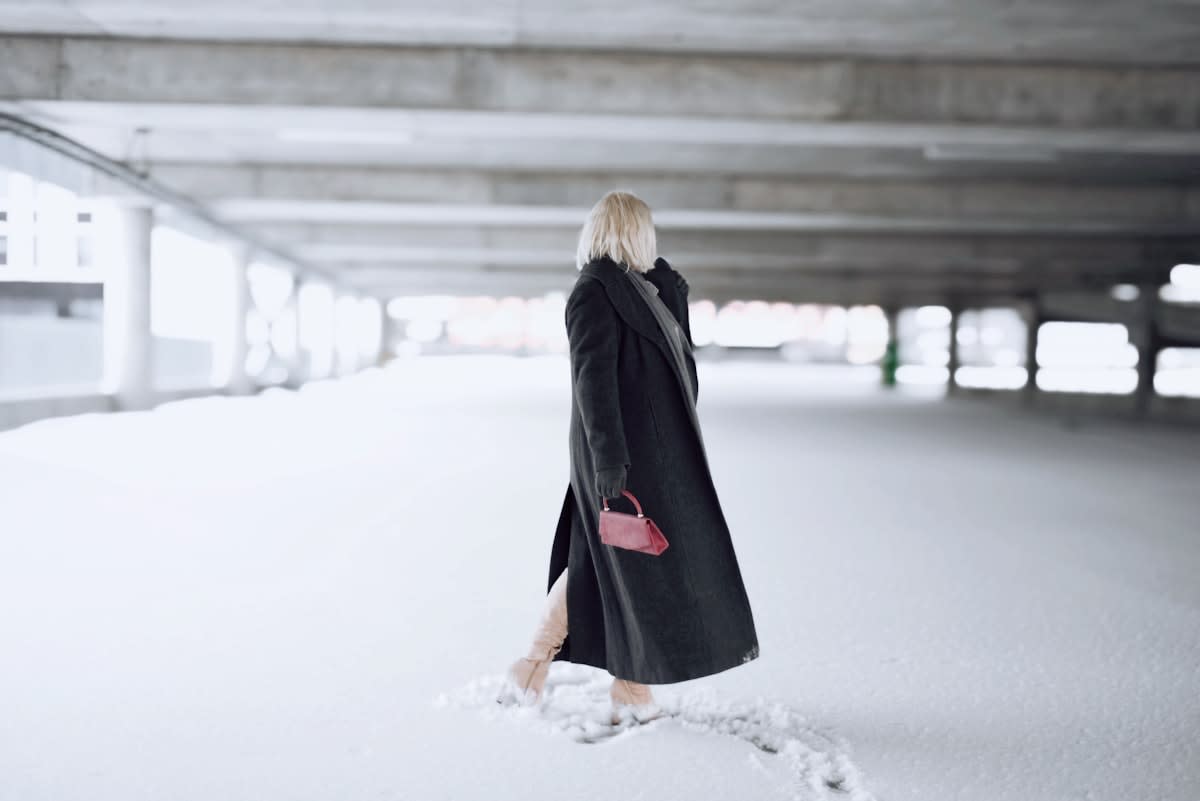
The Great Unlearning of Perfection
For two decades, luxury was defined by the absence of friction. It was the seamless transition of a high-budget commercial, the poreless skin of a digitally altered model, and the sterile white space of a flagship store in Ginza or Avenue Montaigne. But look at the current landscape and you will see a violent pivot. The polished frame is not just cracking; it is being intentionally shattered. From the raw, handheld cinematography of recent campaign films to the grainy, overexposed photography dominating luxury social feeds, the industry is embracing a lo-fi aesthetic that feels almost antithetical to the traditional definition of prestige.
Why is this happening now? The answer lies in the psychology of trust. In an era of generative AI and deepfakes, hyper-perfection has become a red flag. When an image is too clean, the modern consumer assumes it is fake. When a brand feels too curated, it feels corporate. The shift toward lo-fi is not a lack of budget—it is a strategic deployment of imperfection. By stripping away the gloss, luxury houses are attempting to signal authenticity, intimacy, and a certain kind of 'insider' knowledge that cannot be bought with a high-end production crew.
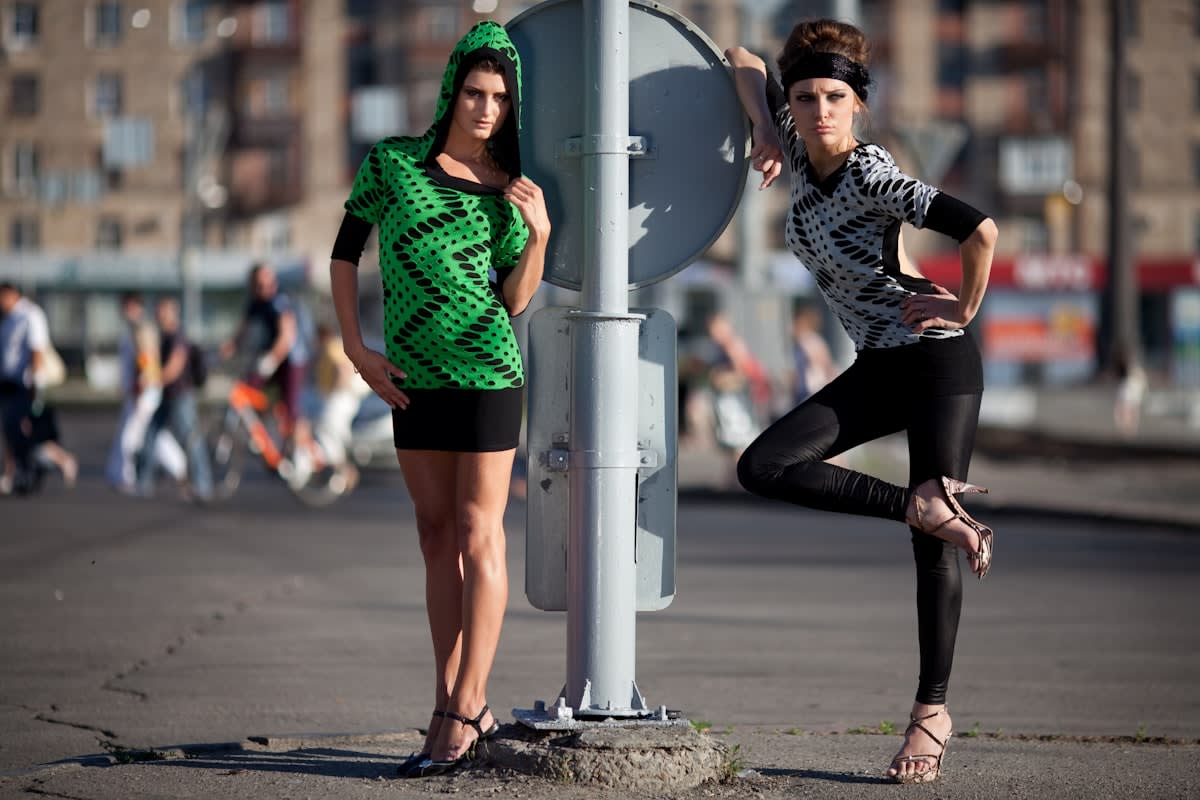
This is not a localized phenomenon. In Seoul, the 'archival' look—characterized by muted tones and a sense of lived-in wear—has moved from niche streetwear circles to the center of luxury retail. In Paris, legacy houses are releasing campaign content that looks like it was shot on a 2005 digital camera. The goal is to evoke nostalgia for a pre-algorithmic world, a time when luxury was discovered in a dimly lit boutique rather than served via a precision-targeted ad. Is the polish now a liability? For the Gen Z and Alpha demographics, the answer is a resounding yes.
The delta between today and twelve months ago is staggering. A year ago, 'Quiet Luxury' was the dominant narrative, emphasizing stealth wealth through impeccable tailoring and neutral palettes. While that preference for subtlety remains, the visual delivery has changed. We have moved from 'Quiet Luxury' (which was still visually perfect) to 'Raw Luxury.' The focus has shifted from the product's perfection to the experience's authenticity. The image is no longer the destination; it is a window into a perceived reality.
| Feature | The Polished Era (Pre-2023) | The Lo-Fi Era (Current) |
|---|---|---|
| Visual Quality | 8K resolution, color-graded | Grainy, raw, often low-res |
| Composition | Symmetrical, centered, staged | Candid, off-center, 'accidental' |
| Emotional Trigger | Aspiration and Distance | Intimacy and Relatability |
| Production Value | High-budget studio shoots | Handheld, 'on-the-fly' content |
This transition is heavily fueled by the dominance of short-form video. TikTok and Instagram Reels have trained the global eye to prefer the 'lo-fi' vertical video over the cinematic horizontal frame. Luxury brands realized that a high-production commercial often gets scrolled past because it looks like an ad. Conversely, a shaky, behind-the-scenes clip shot on an iPhone feels like a recommendation from a friend. This has forced a total re-evaluation of the creative process, where the 'mistake'—the lens flare, the slight blur, the background noise—becomes the most valuable part of the asset.
"The new luxury is not about showing the world how perfect your product is, but showing the world that you are confident enough to let it be imperfect."— Marcus Thorne, Creative Director of Vanguard Media
Yet, there is a profound irony at play here: the 'calculated imperfection.' The grainy photo that looks like a snapshot is often the result of hours of post-production editing to ensure the grain is exactly the right frequency. The 'candid' walk through a Tokyo alleyway is choreographed by a team of five. This is the paradox of modern luxury branding. It is the pursuit of a look that suggests the absence of effort, while requiring more effort than ever before to execute convincingly.
Industry Insight
The Lo-Fi Paradox: As the aesthetic becomes more raw, the technical skill required to make it look 'authentically unpolished' actually increases. It is a sophisticated game of visual deception.
The financial implications are equally interesting. By shifting away from massive studio productions, some brands are seeing a significant reduction in content creation costs while simultaneously seeing an increase in engagement. Early data suggests that raw-format luxury ads are seeing a 40% higher click-through rate among users under 30 compared to traditional high-gloss imagery. The efficiency of lo-fi is not just about money; it is about velocity. Brands can now react to a trend in hours rather than months.
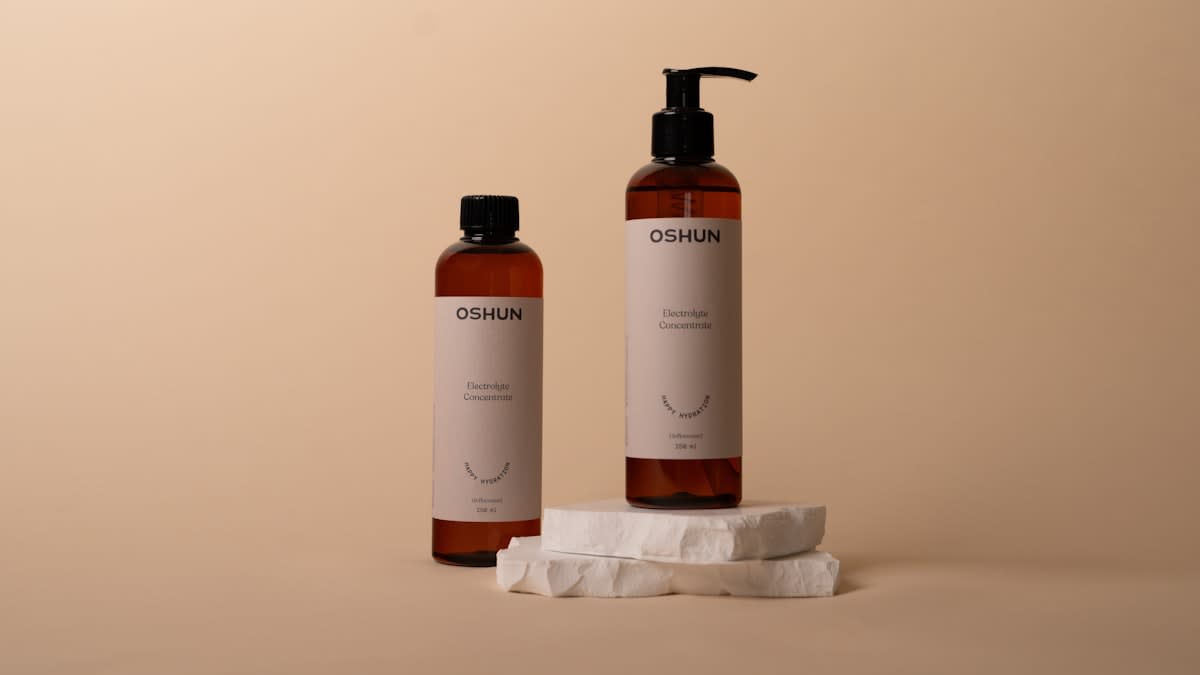
We are seeing this play out in the 'ugly-chic' movement in New York and London, where luxury items are styled with intentionally clashing, low-brow elements. It is a rebellion against the 'old money' aesthetic. By pairing a thousand-dollar handbag with a worn-out t-shirt and shooting it in a fluorescent-lit laundromat, brands are creating a new visual language of status. The status no longer comes from owning the item, but from having the cultural confidence to wear it in a 'wrong' environment.
Consumer Engagement: Polished vs. Lo-Fi Content (2023-2024)
Executive Insight
+18.4%
YTD Growth
What does this mean for the future of design? The 'polished frame' is not dead, but its role has changed. It is now reserved for the most exclusive, archival moments—the 'museum' side of a brand. The day-to-day interaction, the social commerce, and the community building are now firmly in the territory of the lo-fi. The most successful brands are those that can navigate this duality, maintaining a core of untouchable prestige while speaking the raw, unfiltered language of the street.
Ultimately, the rise of the lo-fi aesthetic is a mirror reflecting a deeper societal shift. We are exhausted by the curated lie. We are tired of the filter. Luxury, which has always been about exclusivity, is finding that the ultimate exclusivity is no longer a perfect image, but a moment of perceived truth. The grit is the new gold.