The Last Museum: Semantic search across 5.8M artworks from major museums
Source Entity
Hacker News
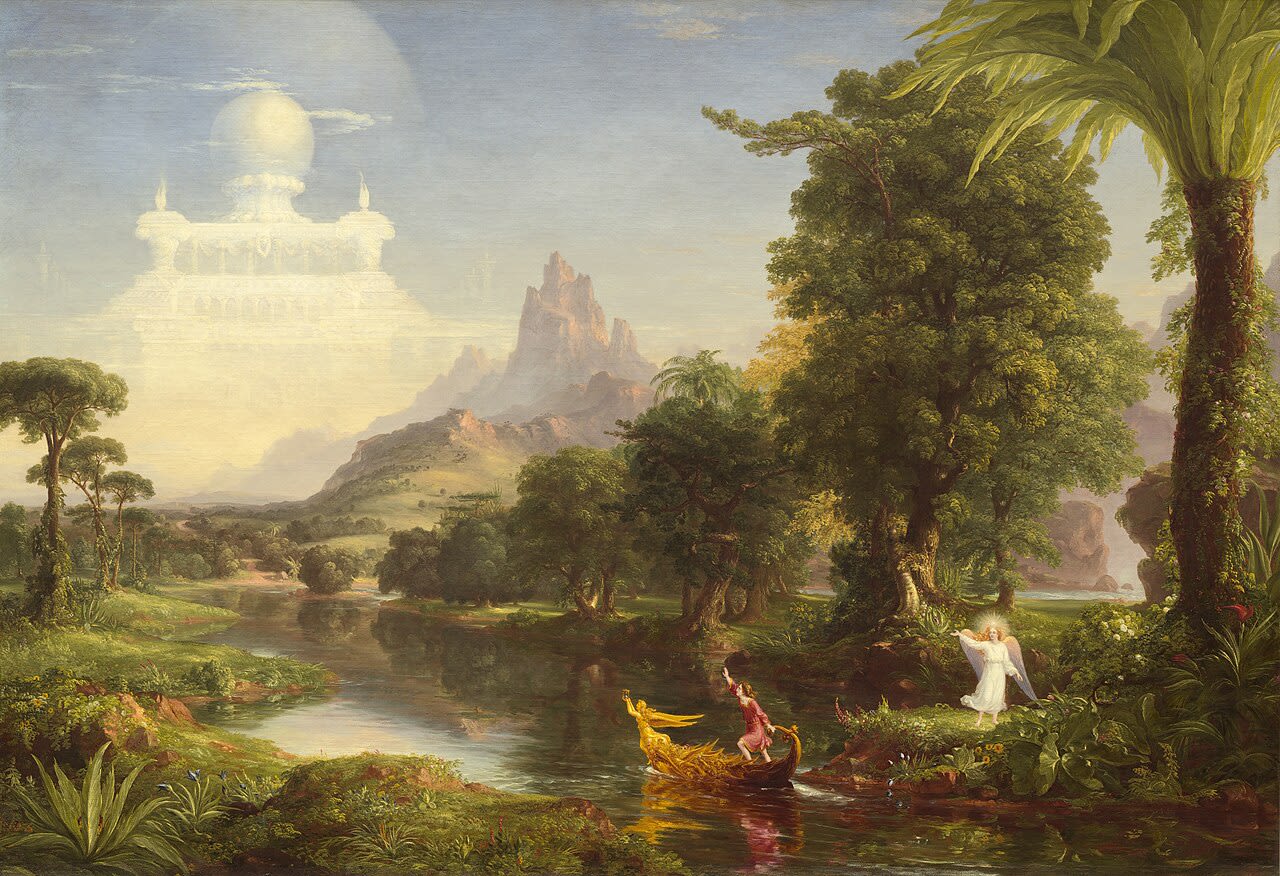
The Last Museum project utilizes advanced semantic search technology to index and organize over 5.8 million artworks from global institutions. This initiative enhances digital accessibility and discovery for researchers and art enthusiasts alike.
Bridging the Digital Gap in Art History
The launch of 'The Last Museum,' a sophisticated semantic search platform encompassing over 5.8 million artworks from major global museums, represents a significant milestone in digital humanities. By moving beyond traditional keyword-based metadata, which often relies on inconsistent or limited tagging, this project leverages semantic search to interpret the meaning and context of art pieces. This shift allows users to query vast collections using natural language, identifying thematic, stylistic, or historical connections that were previously obscured by disparate database structures.
The Power of Semantic Indexing
Traditional digital archives have long been hindered by 'siloed' data, where each institution maintains its own cataloging standards. The Last Museum effectively aggregates these collections, creating a unified ecosystem. Semantic search technology functions by mapping artworks into a high-dimensional vector space, enabling the system to understand the relationship between concepts—such as 'impasto technique' or 'Baroque iconography'—across millions of records. This technological leap transforms the museum archive from a static repository into a dynamic, searchable knowledge graph.
Democratizing Access to Global Heritage
By centralizing access to 5.8 million pieces, this initiative democratizes art historical research. Previously, a researcher seeking to compare specific artistic motifs across continents would have needed to navigate dozens of individual museum websites, each with unique search interfaces. The Last Museum flattens this complexity, providing a singular portal that serves both the casual observer and the academic professional. This accessibility is essential for fostering a more inclusive understanding of global art history.
Implications for Future Curation
Beyond simple search functionality, the project offers profound implications for curators and historians. By analyzing search trends and the connections users make across these 5.8 million works, museums can gain insights into how the public interacts with their collections. This data-driven approach could influence future exhibition design, helping institutions identify underrepresented periods or themes that resonate with modern audiences, thereby bridging the gap between historical preservation and contemporary relevance.
Technical Challenges and Scalability
Managing a dataset of this magnitude requires robust computational infrastructure. The integration of millions of high-resolution images, metadata fields, and provenance records is a Herculean task that necessitates rigorous data cleaning and standardization. The success of The Last Museum serves as a blueprint for how large-scale cultural data can be standardized and made interoperable, potentially encouraging other institutions to adopt open-data standards that facilitate future cross-institutional collaborations.
Conclusion: The Future of Digital Curation
Ultimately, The Last Museum is more than just a search engine; it is a vital tool for the long-term digital preservation of global heritage. As artificial intelligence continues to evolve, the ability to query these 5.8 million artworks will likely become even more precise, allowing for deeper insights into the evolution of human creativity. This project underscores the necessity of marrying technological innovation with cultural stewardship to ensure that our shared history remains accessible, discoverable, and meaningful for generations to come.