Rishikesh-Karnaprayag rail project: 83% of route to pass through tunnels, boost Char Dham connectivity
Source Entity
Anish Mondal
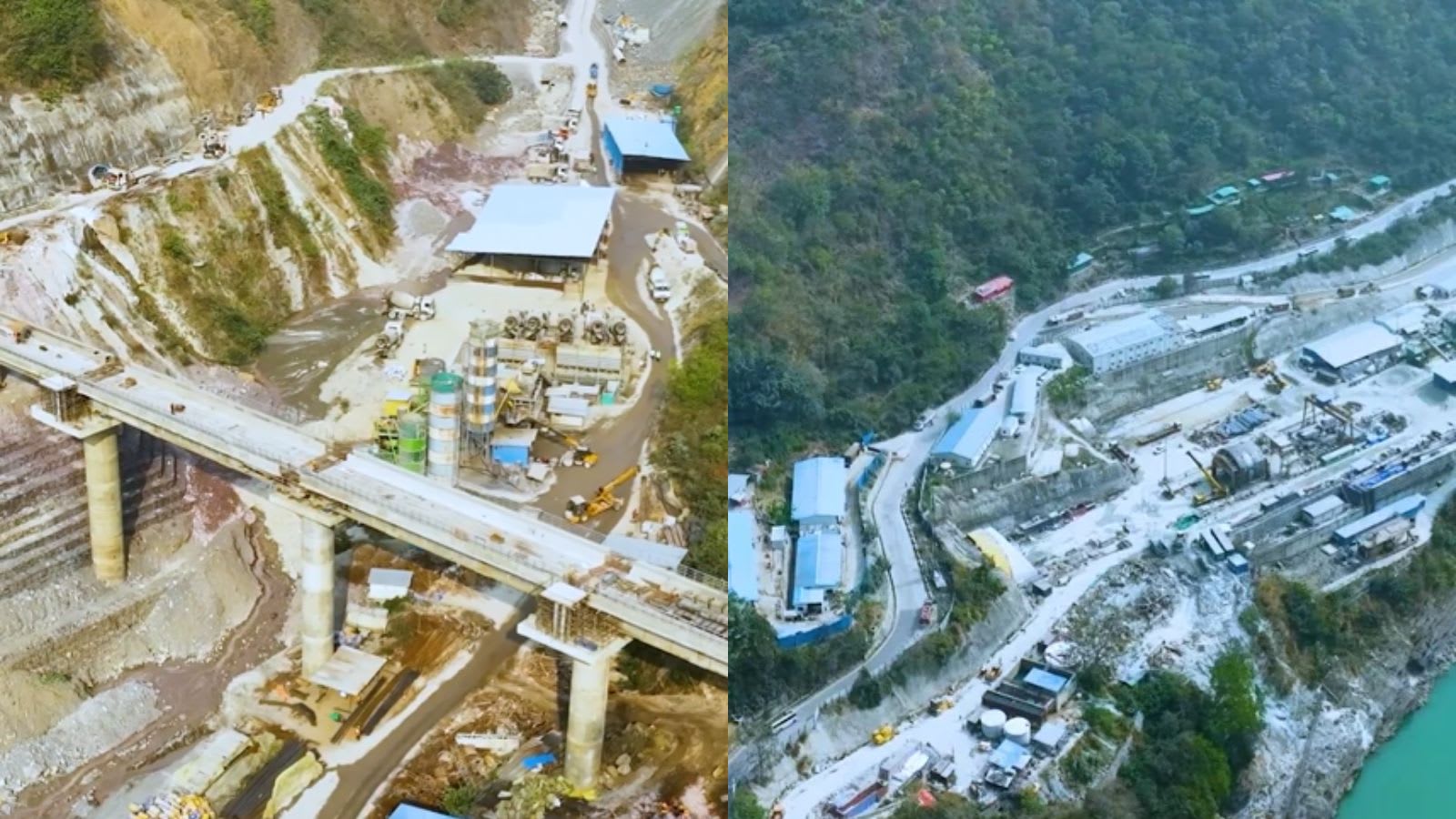
The Rishikesh-Karnaprayag railway project is a massive infrastructure endeavor costing Rs 37,000 crore, designed to enhance connectivity in the Garhwal Himalayas. With 83% of the 125-km route running through tunnels, the project is scheduled for completion by December 2029.
Transforming Himalayan Connectivity
The Rishikesh-Karnaprayag railway project stands as a monumental infrastructure initiative aimed at revolutionizing transport within the rugged terrain of the Garhwal Himalayas. With a staggering budget of Rs 37,000 crore, this 125-km rail line is a strategic investment by the Ministry of Railways, implemented through Rail Vikas Nigam Limited (RVNL). By bridging the geographical divide between the plains and the high-altitude districts of Uttarakhand, the project promises to integrate the region more effectively with the national capital.
Engineering Marvel: Navigating the Terrain
One of the most defining characteristics of this project is its engineering complexity, evidenced by the fact that 83% of the entire route will pass through tunnels. Building in the geologically sensitive Himalayan belt requires advanced tunneling technology to ensure safety and stability. This technical feat is essential for traversing the diverse landscape of Dehradun, Tehri Garhwal, Pauri Garhwal, Rudraprayag, and Chamoli districts, effectively overcoming the historical barriers posed by steep gradients and unpredictable mountain weather.
Strengthening the Char Dham Connection
Beyond mere transportation, the project is a vital component in improving access to the Char Dham region. By connecting Rishikesh—often considered the gateway to the Himalayas—with Karnaprayag, the railway will streamline travel to significant religious and tourism sites, including Devprayag. This enhancement is expected to boost regional tourism, local economic growth, and the logistical efficiency of moving goods and pilgrims through these mountainous corridors.
Historical Context and Long-Term Vision
First sanctioned in the Union Budget of 2010-11, the project reflects a long-term commitment to infrastructure development in northern India. Over the years, the scope of the project has remained focused on its 12-station layout, designed to serve as a lifeline for the hill districts. The project is currently tracking toward a completion target of December 2029, marking a significant milestone in Indian railway expansion efforts.
Socio-Economic and Strategic Implications
The completion of this rail link will significantly reduce travel time and dependency on road transport, which is frequently disrupted by landslides and weather events in the region. By providing a reliable, all-weather alternative, the railway will empower local communities in Chamoli and surrounding areas, facilitating better access to healthcare, education, and administrative services. Furthermore, the project holds strategic importance, strengthening connectivity in a sensitive border-adjacent region.
Future Outlook
As the project progresses, it sets a precedent for future mountainous railway developments in India. The integration of modern tunneling techniques and the scale of the investment underscore a shift toward high-capacity, sustainable transit in the Himalayas. As the 2029 deadline approaches, the successful delivery of this project will likely serve as a blueprint for balancing rapid infrastructural growth with the unique environmental and logistical challenges of the Indian Himalayan region.