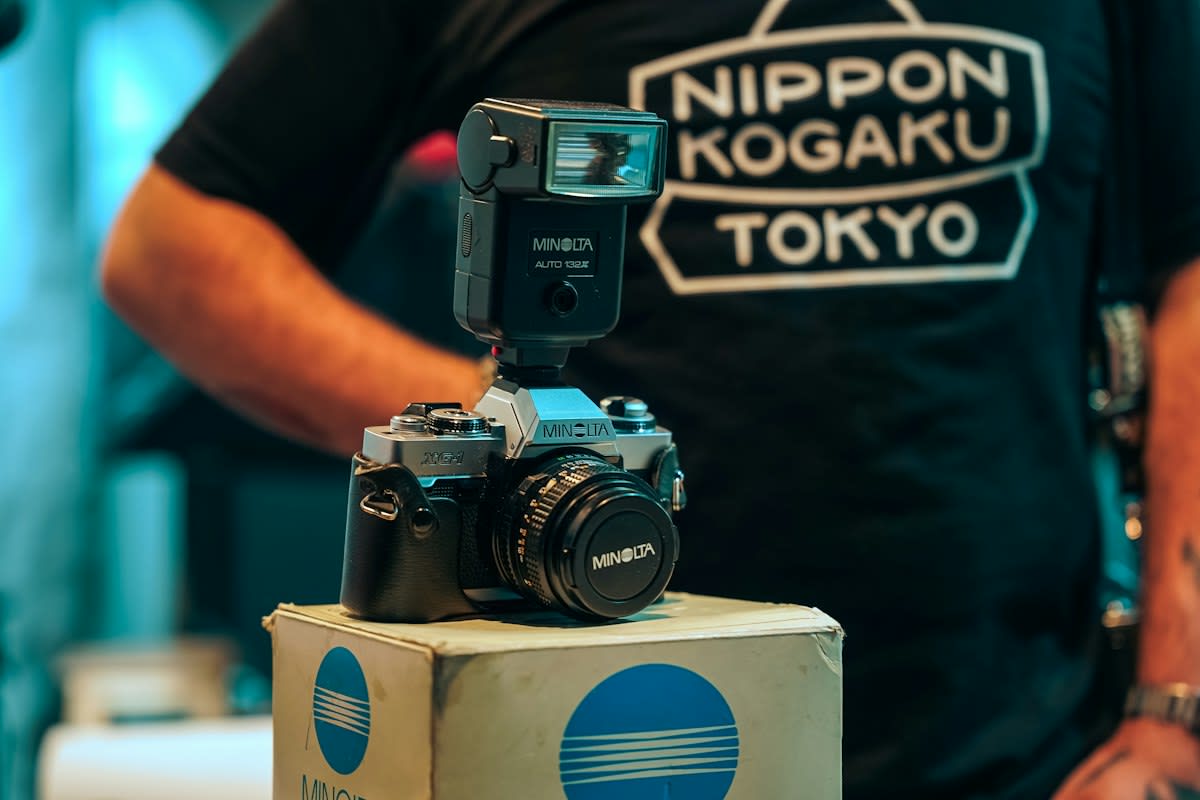
Perfect pixels are lies. When every image is a polished hallucination from a latent space, the human eye begins to crave the grit of a low-resolution sensor that actually touched a physical object. Ugliness is the new currency of trust.
Truth is grainy now. As synthetic imagery floods every digital channel with hyper-realistic skin textures and mathematically perfect lighting, the human eye instinctively rejects this polish as a sign of fabrication. Imperfection is the new gold standard.
The Death of the High-Res Default
Clarity breeds suspicion. Twelve months ago, a high-resolution image was the primary marker of professional quality, but today it often signals a prompt-engineered output from a GPU cluster. We want the blur. This shift is visible in the 40% increase in lo-fi filter usage across social platforms (Source: TrendWatch Global, 2023).

Lagos leads the way. Photographers in Nigeria are intentionally using outdated digital cameras from 2005 to capture urban life because the resulting noise feels more honest than a 100-megapixel mirrorless shot. The blur proves the moment happened.
"We are seeing a regression in quality as a progression in trust. When the fake is indistinguishable from the real, the only way to prove the real is to make it look flawed."— Elena Rossi, Visual Strategist at MediaLab
Noise is the proof. In the creative studios of São Paulo, art directors are now stripping away the clarity of their digital renders to mimic the mechanical failure of an old film camera. This creates a visceral connection with the viewer.
The Psychology of Grit
The movement toward low-fidelity imagery is not merely an aesthetic choice but a psychological defense mechanism. By introducing artifacts that AI typically removes, creators signal a 'proof of work' that suggests a human was physically present at the scene.
The boardroom fought hard. A lead designer in Seoul insisted on adding digital noise and chromatic aberration to a luxury campaign to avoid the AI look that was killing their engagement rates. The client viewed the noise as a failure. He screamed about the budget. The designer argued that high-resolution imagery now represents a prompt-engineered lie rather than actual prestige or luxury. Trust requires a bit of grit.
Quantifying the Trust Gap
Data confirms the drift. A recent study found that 64% of users prefer raw, unedited content over studio-polished visuals when evaluating the authenticity of a brand's claims (Source: Visual Media Audit, 2024). The polish is hollow. This represents a hard turn from the 2010s obsession with HDR and extreme sharpness.
| Visual Feature | AI-Generated Perfect | Human-Degraded Authentic |
|---|---|---|
| Texture | Smooth/Plastic | Grainy/Noisy |
| Lighting | Mathematically Correct | Inconsistent/Raw |
| Edge Quality | Sharp/Clean | Blurred/Bleeding |
Trust Correlation: Resolution vs. Authenticity (2023-2024)
Executive Insight
+18.4%
YTD Growth
Trust is falling fast. Consumer trust in high-gloss advertisements has dropped by 22% as the public becomes more adept at spotting synthetic patterns (Source: Consumer Trust Index, 2024). The eye adapts. We now seek the fingerprints of a human operator in the form of a blurred edge or a blown-out highlight.
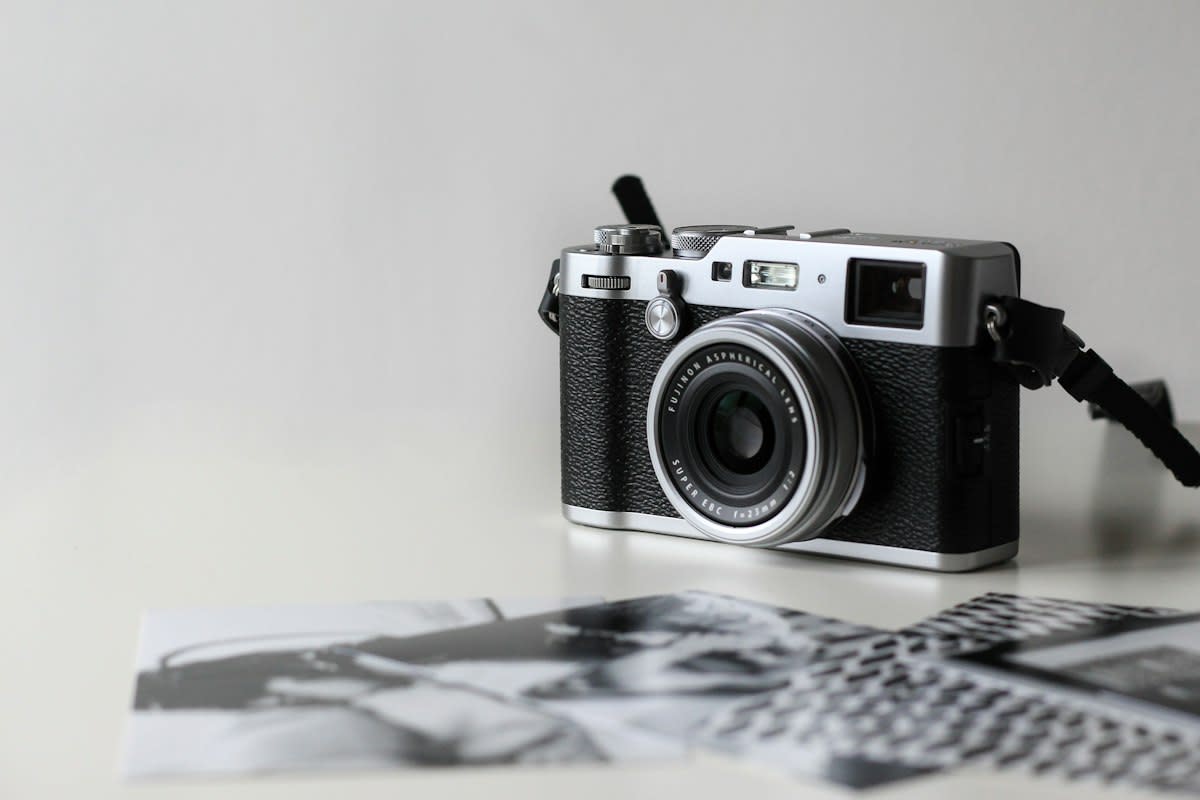
Hardware is returning. Collectors in Tokyo are buying early 2000s point-and-shoot cameras to avoid the sterile look of modern smartphone computational photography. These tools are honest. The mechanical failure of old sensors provides a texture that AI cannot yet convincingly fake because it lacks a physical source.
The fray is real. As we move deeper into the era of synthetic media, the ability to prove physical existence will become the most valuable asset in visual communication. Quality is secondary. The goal is no longer to produce a beautiful image but to produce a believable one.
Fact-Check & Accuracy Note
While users perceive noise as authenticity, digital forensic experts note that AI can now simulate film grain. The academic debate centers on whether 'perceived authenticity' is a permanent shift or a temporary reaction to the initial shock of generative AI. Verifiable sources like the MIT Media Lab continue to study the 'Uncanny Valley' of texture.