‘Not a single prescription’: How pharma firms are ‘moving’ codeine cough syrup to Bengal border districts
Source Entity
Sweety Kumari
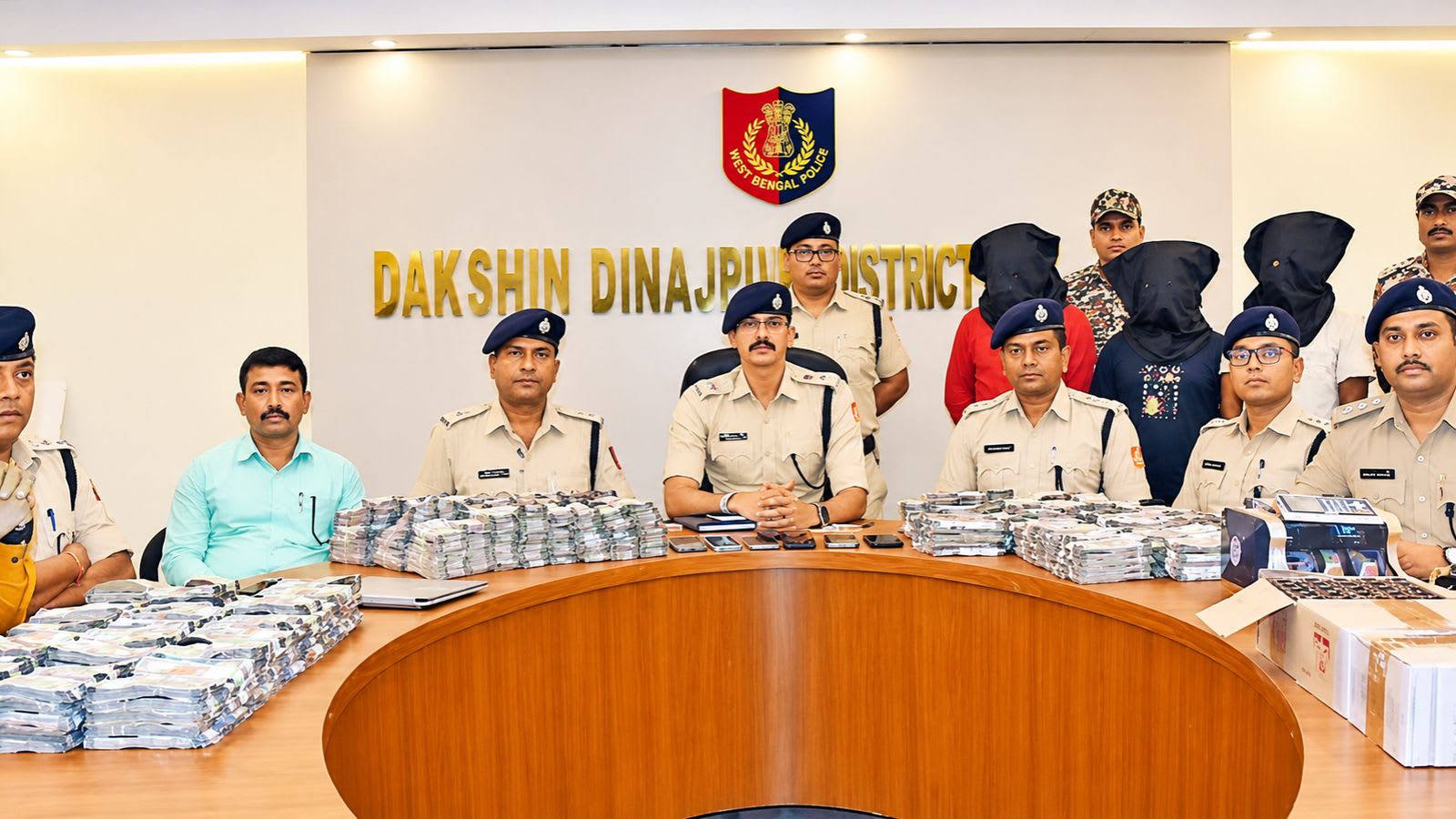
Authorities in Telangana and West Bengal have launched crackdowns on the illegal distribution of pharmaceutical ingredients and adulterated substances. These operations highlight a growing concern over the misuse of chemical compounds and cough syrups for illicit purposes.
Regulatory Crackdown on Pharmaceutical and Chemical Misuse
Recent enforcement actions across India, specifically in Telangana and West Bengal, have shed light on the persistent issue of illicit pharmaceutical and chemical distribution. From the adulteration of traditional beverages to the large-scale diversion of prescription-grade syrups, these incidents underscore a significant challenge for regulatory authorities in maintaining public health safety and controlling narcotics trafficking.
Curbing Adulteration in Telangana
In Telangana, the Malkajgiri Excise Department and the Telangana Standards Authority for Food and Essential Drugs (TG SAFE) have taken aggressive measures against illegal activities. The seizure of 25 kg of chloral hydrate—a substance often used to artificially enhance the potency of toddy—and the subsequent destruction of 264 litres of tainted product demonstrate the extent of chemical adulteration in local supply chains. Furthermore, the raid at Neocell Biotechnologies in Sangareddy district, where eight varieties of Active Pharmaceutical Ingredients (APIs) were found stocked without valid licensing, emphasizes the need for stricter oversight of private chemical and pharmaceutical entities.
The Codeine Trafficking Network
Simultaneously, law enforcement in West Bengal is investigating a sophisticated narcotics network involving the diversion of codeine-based cough syrups. The investigation into a Panipat-based pharmaceutical firm revealed that Rs 44 crore out of Rs 64 crore in sales to the state lacked any supporting prescriptions. This lack of documentation is a major red flag, suggesting that these medications are being diverted for non-medicinal, illicit use, potentially being funneled across the border into Bangladesh.
Broader Implications of Pharmaceutical Diversion
These patterns of illegal activity point to a systemic issue where licensed entities are allegedly exploited to facilitate the distribution of restricted substances. When APIs are stocked without licenses or when prescription drugs are sold in massive volumes without medical verification, the integrity of the entire pharmaceutical supply chain is compromised. This not only fuels addiction crises but also undermines the trust placed in legal medical institutions.
Historical Context and Enforcement Trends
Historically, the misuse of substances like chloral hydrate and codeine has been a recurring concern for Indian authorities. The shift towards more coordinated operations by agencies like the District Task Force (DTF) and TG SAFE signals a more proactive approach to intelligence-led enforcement. By targeting both the end-point retailers, such as the toddy centers, and the upstream suppliers, authorities are attempting to disrupt the supply chain at multiple levels.
Future Outlook and Regulatory Needs
Looking ahead, the success of these operations will likely necessitate a stricter digital tracking mechanism for pharmaceutical ingredients and controlled substances. As investigators continue to probe these networks, it is expected that legislative action will be taken against the companies involved. Preventing such diversions requires not only reactive raids but also a robust, real-time monitoring system that connects manufacturers, distributors, and end-users, ensuring that every milligram of sensitive material is accounted for.
Multiple Citing Sources