Jailed cop in Vadodara custodial death case granted bail to arrange rifle, shooting kit for son’s contest
Source Entity
Aditi Raja
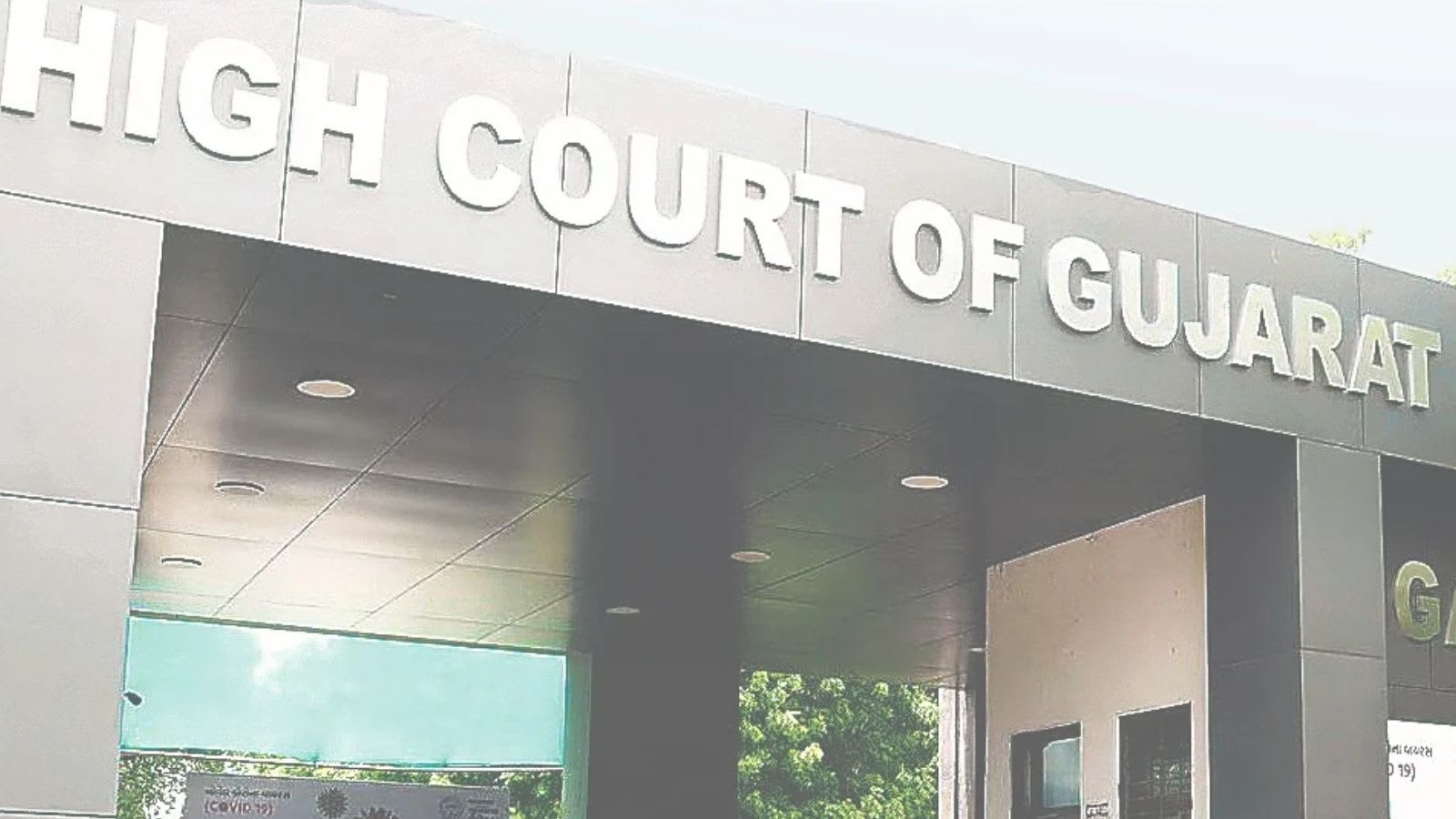
The Gujarat High Court granted a seven-day temporary bail to Police Inspector D.B. Gohil, accused in a 2019 custodial death case. The court permitted the leave to allow the officer to assist his son in participating in a state-level rifle shooting competition.
Judicial Discretion in High-Profile Custodial Cases
The granting of temporary bail to Police Inspector D. B. Gohil by the Gujarat High Court has sparked significant discussion regarding the intersection of judicial compassion and the gravity of criminal accusations. Gohil is currently facing serious charges related to the 2019 Fatehgunj custodial death case in Vadodara, which involved the tragic demise of a 65-year-old migrant worker from Telangana. The case has long been a focal point of public interest, highlighting concerns regarding police accountability and human rights within the Indian criminal justice system.
The Unusual Rationale for Bail
Justice Mool Chand Tyagi’s order, issued on November 12, granted Gohil a seven-day window of temporary freedom, specifically from November 14 to November 20. The justification provided—facilitating his son’s participation in a state-level rifle shooting competition in Jamnagar—is notably unconventional. The court accepted arguments from Gohil’s counsel, H. Y. Kothari, which emphasized that the minor son had previously achieved a first-place finish at the district level and required his father’s assistance to secure a rented rifle, a shooting kit, and necessary school documentation for the upcoming event.
Balancing Parental Rights and Legal Accountability
This decision underscores a complex balancing act within the judiciary. While the court must remain impartial toward those accused of heinous crimes, it also acknowledges the fundamental rights of family members who are not parties to the litigation. By allowing the father to support his son’s sporting aspirations, the court invoked the principle of humanitarian considerations, even in the context of an ongoing trial for a custodial death. However, this move also highlights the potential for legal processes to be influenced by personal family milestones, which often draws scrutiny from civil society and legal observers.
Broader Implications for Custodial Death Litigations
Custodial deaths remain a critical issue in India, and the progress of the Fatehgunj case is being closely monitored as a barometer for police reform and accountability. The fact that an accused officer—who is fundamentally entrusted with upholding the law—is involved in such a case creates a heightened level of public sensitivity. Every procedural decision, including temporary bail, is scrutinized for whether it inadvertently undermines the seriousness of the underlying charges or the rights of the victim's family to see a swift and uncompromising judicial process.
Historical Context and Future Trends
Historically, Indian courts have often granted temporary bail or parole for personal exigencies, such as medical emergencies or the weddings of close relatives. The inclusion of a child's sporting competition as a valid reason for temporary release marks a specific precedent that may be debated in future legal filings. As the judiciary continues to navigate the complexities of individual liberty versus public interest, this case serves as a poignant reminder of the multifaceted challenges inherent in managing high-stakes criminal trials while upholding constitutional rights.