Transforming tribal education: From Eklavya to excellence
Source Entity
C P Radhakrishnan
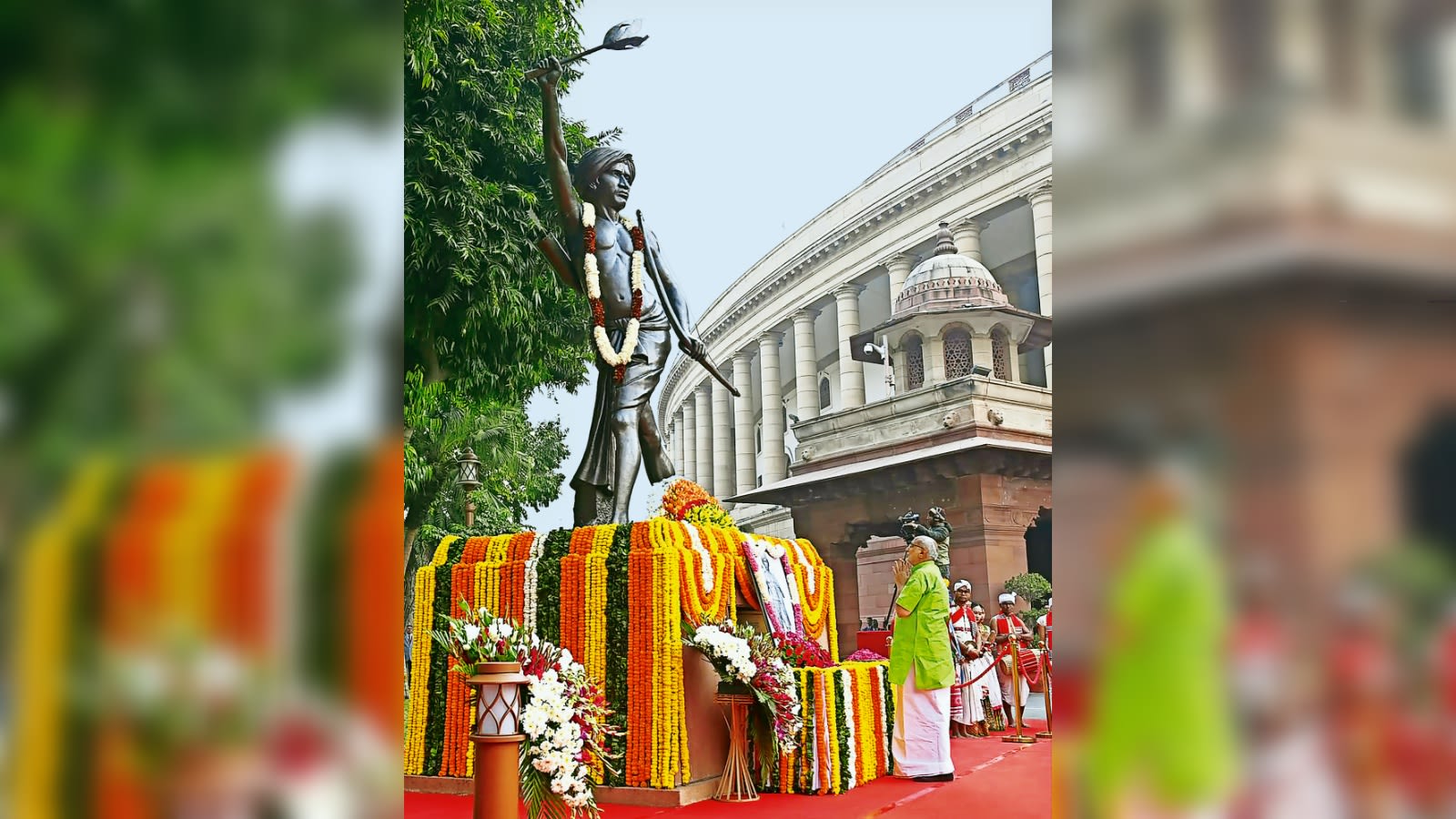
Janjatiya Gaurav Diwas honors Bhagwan Birsa Munda by emphasizing the critical role of tribal education in national progress. Initiatives like the School Connect programme aim to bridge educational gaps for tribal students in states like Jharkhand, Maharashtra, and Telangana.
The Significance of Janjatiya Gaurav Diwas
Janjatiya Gaurav Diwas, celebrated annually on November 15, serves as a poignant reminder of the contributions made by India’s tribal communities to the nation’s struggle for independence. By marking the birth anniversary of Bhagwan Birsa Munda, the government acknowledges his role as a symbol of resistance against colonial oppression. This day is not merely a commemorative event but a call to action for integrating tribal history and culture into the mainstream national consciousness.
Education as a Tool for Empowerment
The core philosophy driving recent policy shifts is that education acts as the primary catalyst for social mobility. By focusing on tribal areas in states like Jharkhand, Maharashtra, and Telangana, the government aims to dismantle the historical barriers that have kept these communities marginalized. Transforming education from a basic requirement to a pursuit of excellence is essential for strengthening family structures and fostering community resilience.
The Role of Institutional Connectivity
A key strategy in this transformation is the implementation of the School Connect programme. This initiative is designed to bridge the chasm between higher education institutions and tribal schools. By fostering mentorship and resource sharing, universities can provide tribal students with the exposure and guidance necessary to succeed in competitive academic environments, ensuring that no child is excluded from the benefits of modern education.
Historical Context and Modern Resistance
Bhagwan Birsa Munda represents more than just a historical figure; he embodies the spirit of sacrifice and courage that defined the tribal response to colonial exploitation. The government’s focus on tribal education is framed as a modern homage to this spirit. By investing in the intellectual capital of tribal youth, the state is effectively continuing the fight against systemic inequality that Munda championed during his lifetime.
Future Trends in Tribal Development
Looking ahead, the emphasis on tribal education is expected to expand through increased infrastructure and digital integration. The success of the School Connect programme suggests a shift toward a more collaborative educational model where elite institutions take responsibility for rural and tribal upliftment. As these initiatives mature, they are likely to create a new generation of leaders from tribal backgrounds who can contribute significantly to India's socioeconomic progress.
Conclusion
In summary, the celebration of Janjatiya Gaurav Diwas serves as a springboard for critical educational reforms. By linking the legacy of tribal freedom fighters with the tangible goal of modern education, the nation is setting a trajectory for inclusive growth. The commitment to empowering tribal students in Jharkhand, Maharashtra, and Telangana remains a cornerstone of the national strategy to build a truly progressive and equitable society.