HT Leadership Summit 2026: Imtiaz Ali and Ananya Panday talk love, changing dynamics of cinema
Source Entity
Latest News: Todays Latest News Headlines from India & World | Hindustan Times
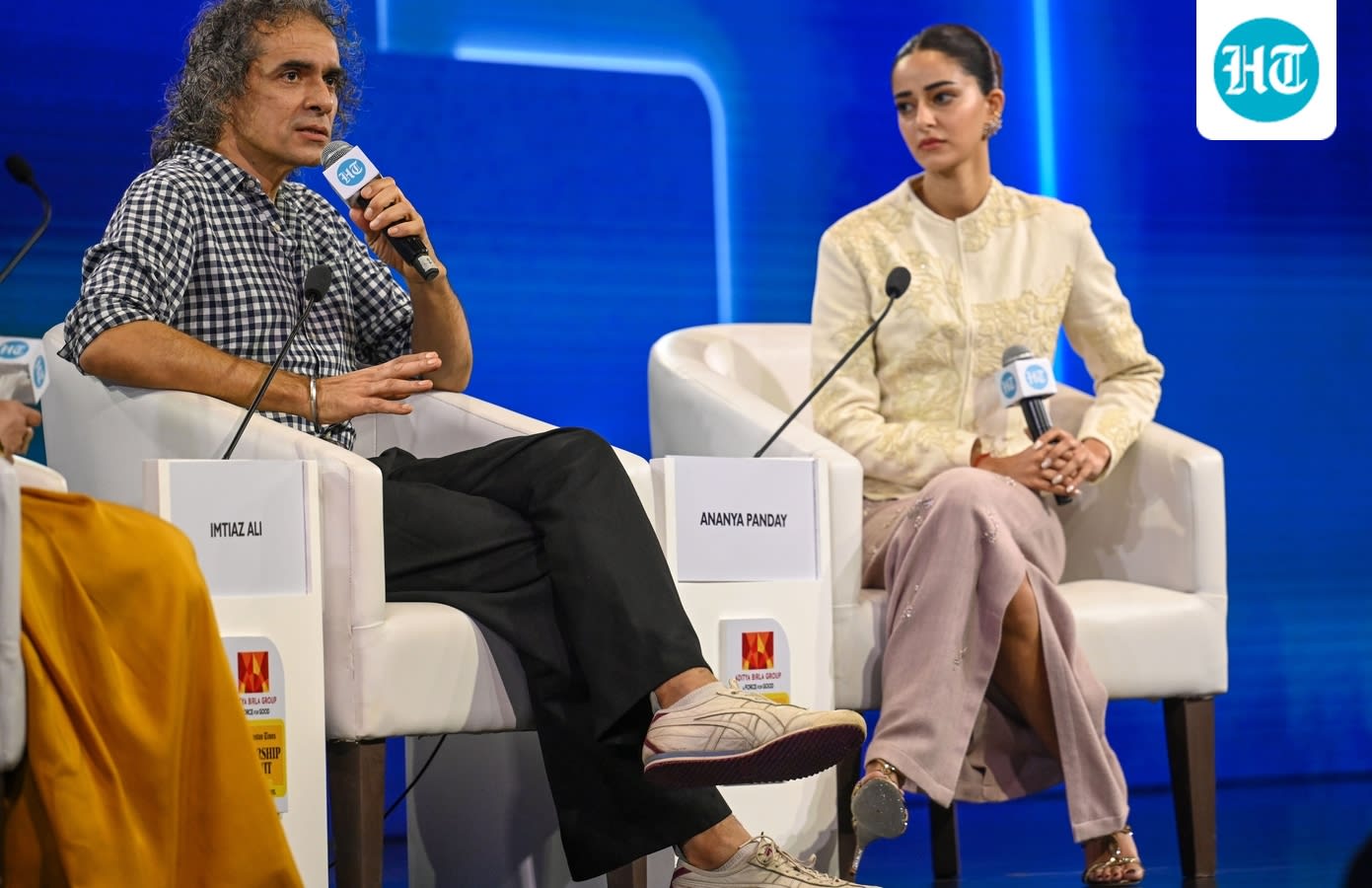
Filmmaker Imtiaz Ali and actor Ananya Panday discussed the evolving landscape of Indian cinema at the 24th Hindustan Times Leadership Summit. The conversation explored shifting definitions of success, the impact of technology on relationships, and the industry's current phase of creative introspection.
The Evolving Landscape of Indian Cinema: Insights from HTLS 2026
At the 24th Hindustan Times Leadership Summit, acclaimed director Imtiaz Ali and actor Ananya Panday engaged in a profound dialogue regarding the state of the Indian film industry. Describing the current climate as a "delicious phase," Ali highlighted a period of significant transition where traditional formulas are being questioned and discarded. This discussion serves as a lens through which we can view the broader shifts in storytelling, audience expectations, and the internal mechanics of Bollywood.
Breaking the Mold: The Success of 'Dhurandhar'
A central theme of the summit was the necessity of taking risks. Imtiaz Ali reflected on the production of the blockbuster Dhurandhar, starring Ranveer Singh, noting that the project was initially dismissed by industry insiders as "impractical" and "least likely to succeed." Its eventual dominance at the box office illustrates a crucial trend: audiences are increasingly craving narratives that defy conventional wisdom. This success reinforces the idea that the industry is currently undergoing a "phase of introspection," where the definition of a viable film is being recalibrated.
The Timelessness of Character vs. Modern Challenges
When discussing his iconic film Jab We Met, Ali posited that the character of Geet would remain largely unchanged if brought to life today. This suggests that while production values and trends evolve, the core of compelling human storytelling—emotional resonance and character depth—remains constant. However, Ali acknowledged the logistical and narrative challenges posed by the digital age. Depicting modern relationships in an era defined by smartphones and social media requires a nuanced approach, as these technologies fundamentally alter how characters connect, communicate, and resolve conflict on screen.
Gen-Z and the Redefinition of Success
Ananya Panday offered a vital perspective on the younger generation's role in this cultural shift. Addressing the "notorious" reputation often attributed to Gen-Z regarding their work ethic, Panday argued that the perception of young people being unwilling to "slog" is a misunderstanding of their values. She emphasized that Gen-Z simply holds a different definition of success, one that perhaps prioritizes balance and authenticity over traditional, grind-heavy metrics. This generational divide is mirrored in the film industry itself, as newer voices challenge established norms regarding nepotism, safety, and the nature of stardom.
The Future of Indian Cinema
As the industry navigates this "delicious phase," the conversation between Ali and Panday highlights a move away from rigid adherence to "big star" formulas. The industry is currently in a state of flux, questioning whether reliance on star power is a sustainable strategy or if the focus must shift entirely toward script innovation and genre-bending narratives. As the language of cinema changes, the industry's ability to adapt to these shifting tides will determine its long-term viability in an increasingly competitive global media landscape.
Conclusion
The 24th Hindustan Times Leadership Summit underscored that Indian cinema is currently at a crossroads. By balancing the lessons of past successes like Dhurandhar with the changing social dynamics represented by Gen-Z, filmmakers and actors are actively reshaping the industry. Whether through the lens of timeless character studies or the exploration of modern digital isolation, the dialogue emphasized that the power to "break the rules" remains the most potent tool for artistic and commercial growth.
Multiple Citing Sources
Verification Required?