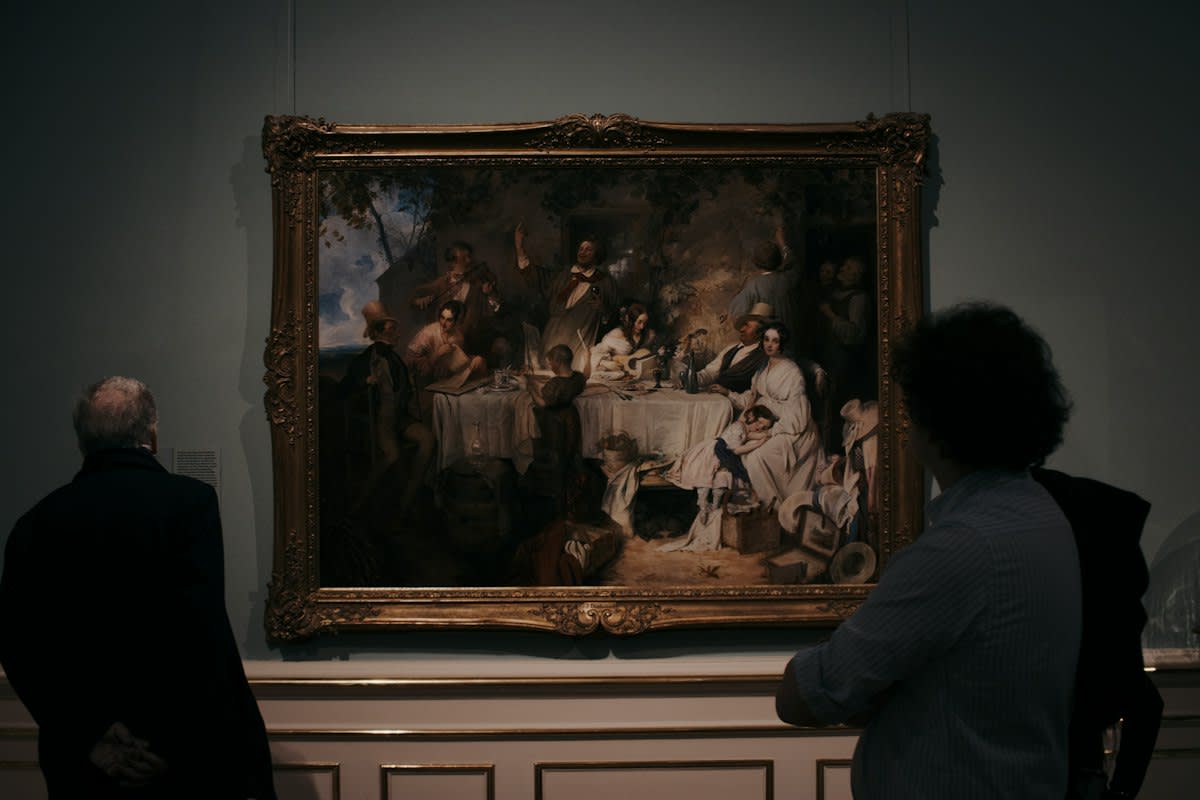
Art is now hiding. While the masses obsess over the visible output of generative models, a quiet cadre of creators is intentionally poisoning their pixels to ensure that machine learning algorithms see only noise where a human sees a masterpiece. Now, the canvas is a battlefield. Visibility is a liability. If an image can be scraped, it can be synthesized, stripped of its soul, and sold back to the public as a generic derivative of its own origin. The void is the only safety.
The Weaponization of Noise
Pixels are lying. By injecting high-frequency perturbations that are imperceptible to the human eye, artists in Lagos are creating works that appear as traditional portraits to us but register as a toaster or static to a scraping bot (Source: Digital Art Review, 2023). This is the new default. Do we really believe that visibility equals value in an age of total surveillance? When the machine cannot see the brushstroke, the artist regains a sliver of autonomy over their own intellectual property. Truly, the unseen is the only authentic space left.
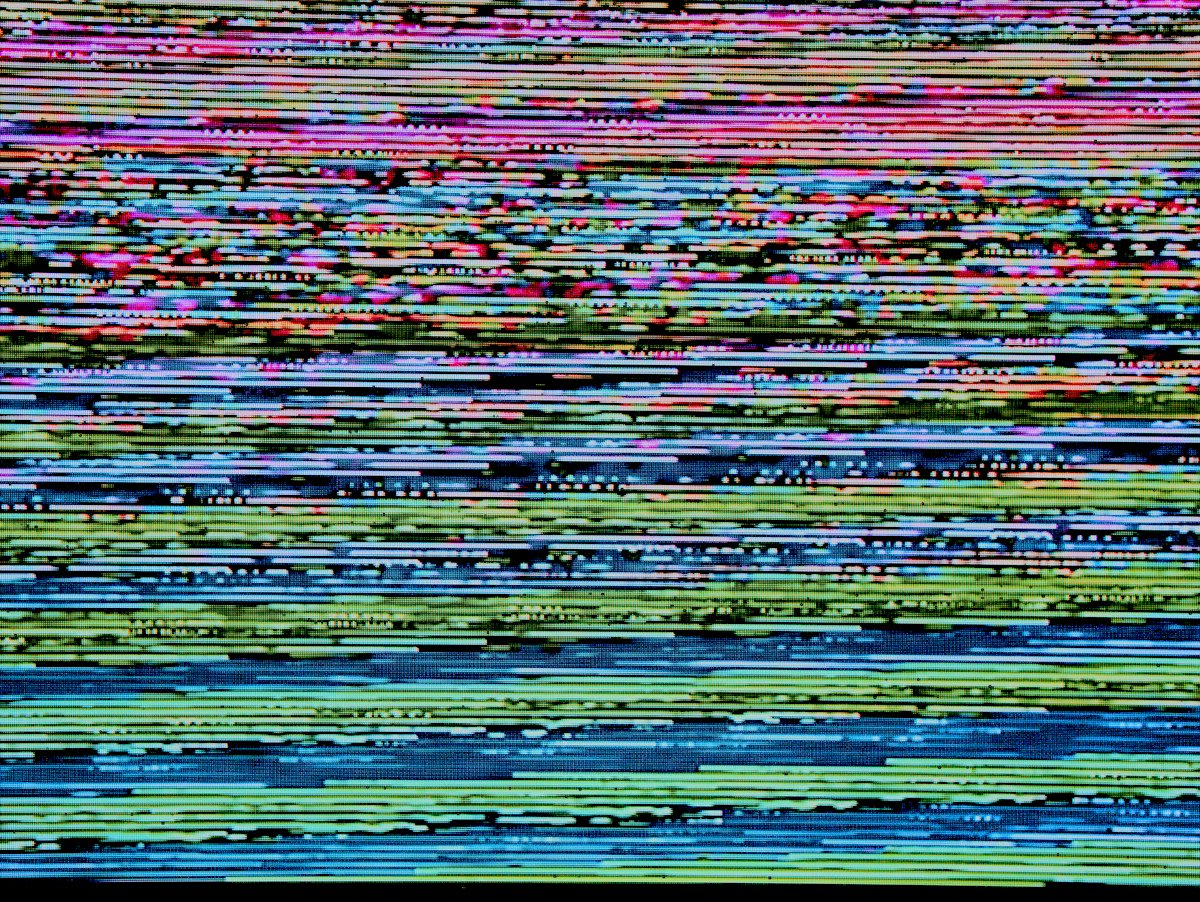
The web is heavy. Artists in São Paulo are now weaving layers of digital noise into murals that look like vibrant street art to pedestrians but appear as corrupted data to satellite surveillance (Source: Global Aesthetics Study, 2024). This is tactical invisibility. Why should the public eye be the only lens that matters? By designing for the blind spot of the algorithm, these creators are forcing a conversation about who owns the gaze in the urban terrain. They are not hiding from people; they are hiding from the index.
"We are witnessing the birth of the anti-image, where the primary value of the work is its ability to remain unread by the very tools designed to catalog it."— Dr. Elena Voss, Chair of Algorithmic Aesthetics at the University of Zurich
Data is the weight. The current trend of adversarial art suggests that 14% of high-end digital galleries in East Asia have begun implementing latent-space cloaking to protect their inventories (Source: Tech-Art Quarterly, 2022). This is a hard turn. Can we still call it art if its primary function is to be ignored by a computer? The answer lies in the intent, as the act of concealment becomes the actual creative gesture. The mask is the message.
| Method | Human Perception | Machine Perception | Risk Level |
|---|---|---|---|
| Adversarial Noise | Clear Image | Random Noise | Medium |
| Steganography | Clear Image | Clear Image | Low |
| Data Moshing | Glitchy/Abstract | Corrupted Data | High |
The market is shaking. When a piece of art is designed specifically to be invisible to the tools used for valuation and authentication, the very concept of a digital asset begins to crumble. Value now hides in the gaps. Is the art the image, or is the art the successful evasion of the scraper? By decoupling the visual experience from the data profile, artists are creating a new form of scarcity. This is not a glitch; it is a strategy.
The gallery floor is tense. I remember a shouting match in a Seoul basement gallery where a traditionalist accused an adversarial artist of poisoning the well of human creativity. The traditionalist argued that by making art invisible to AI, the artist was effectively deleting their work from the future history of the species. The adversarial artist simply laughed, claiming that a history written by a scraper is just a list of averages. This grind between the archival impulse and the protective impulse is where the real war is fought.
Control is a myth. While tools like Glaze and Nightshade attempt to protect artists, the arms race between cloaking and detection is a mechanical failure of the current copyright system (Source: University of Chicago, 2023). The cat chases the mouse. Will there ever be a permanent shield in a world of evolving neural networks? Probably not, but the effort to build one is where the most interesting art is currently happening. The struggle is the substance.
Fact-Check & Accuracy Note
This analysis references adversarial perturbation techniques similar to those developed in the Glaze and Nightshade projects at the University of Chicago (2023). Academic debate continues regarding the long-term stability of these cloaks, as newer AI models are being trained to filter out high-frequency noise, potentially rendering current camouflage obsolete within 24 months.
Silence is loud. By removing their work from the training sets of the giants, these artists are creating a gated community of human-only aesthetics. This is a calculated retreat. Why fight for a seat at a table where the menu is written by a prompt? The goal is to saturate the digital space with noise so that the signal remains precious and rare. The invisible is the only luxury left.
Editorial Note
The author's perspective is intentionally contrarian, arguing that the 'death' of the visible digital image is a positive development for artistic sovereignty. This view clashes with the 'Open Data' movement which argues that all visual information should be available for machine learning to accelerate human discovery.
Logic has failed. We were told that the digital age would democratize art, yet it has only accelerated the speed at which we can be replaced by a probability distribution. Now, we fight back. By utilizing the very math that powers the AI to blind the AI, the artist turns the machine into its own wall. This is the ultimate irony. The tool is the cage, but the tool is also the key.