Bride 18, groom 19: How a late-night raid stopped a Haryana child marriage
Source Entity
Sukhbir Siwach
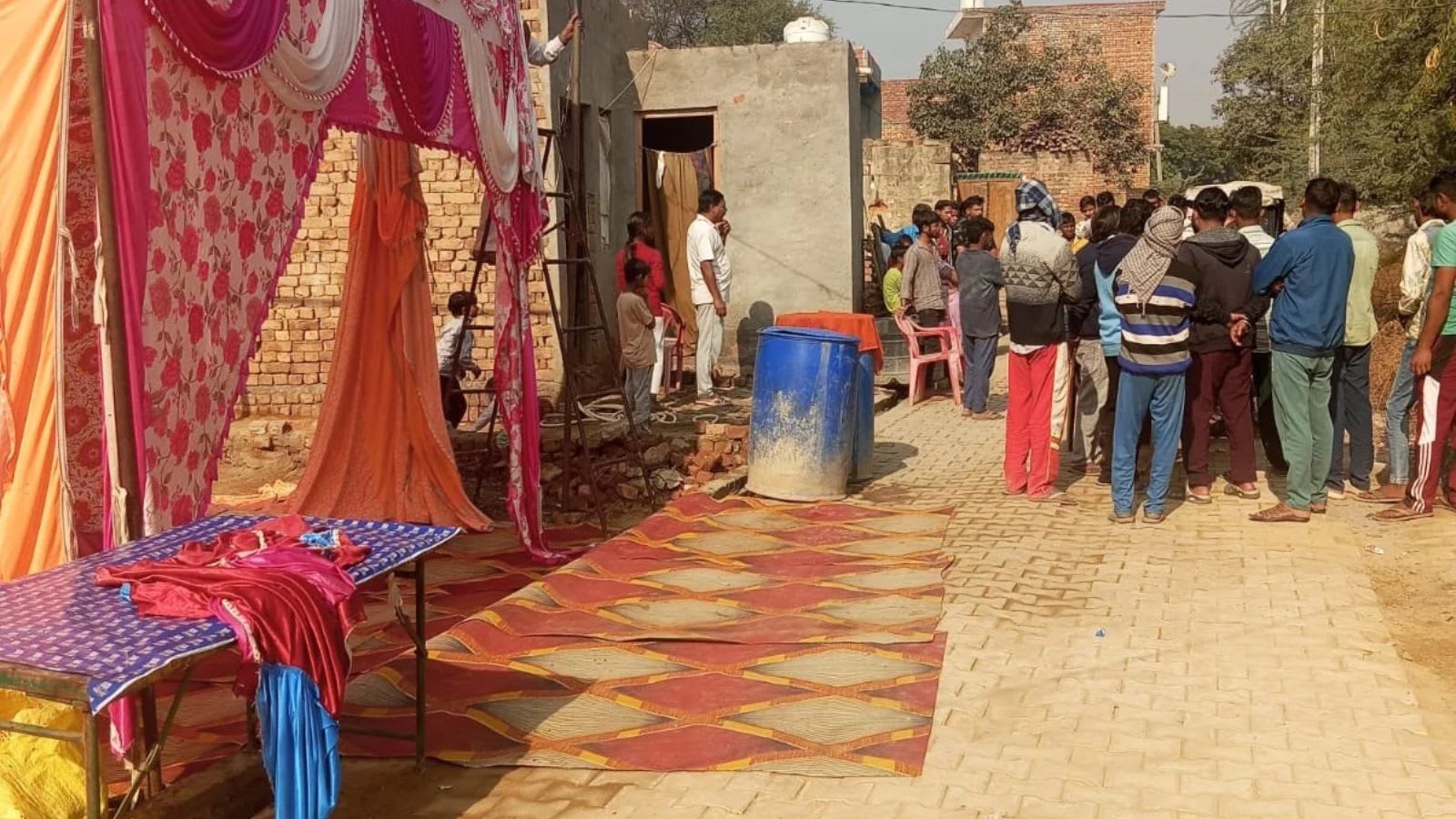
Authorities in Haryana successfully intervened to stop an underage wedding in Jind district after receiving a tip-off. The operation involved a coordinated effort between administrative officials, police, and child rights activists to prevent the illegal union.
The Fight Against Child Marriage in Haryana
A significant intervention occurred in Haryana's Jind district last month when local authorities and activists successfully halted a child marriage just moments before its completion. The wedding, involving an 18-year-old bride and a 19-year-old groom, had reached the advanced stages of ritualistic preparation, with a decorated tent and approximately 100 guests present for the feast. This event highlights the persistent challenge of enforcing the Prohibition of Child Marriage Act in rural regions where traditional practices often supersede legal requirements.
The Role of Intelligence and Coordination
The success of this operation was rooted in proactive intelligence gathering. The Sonipat unit of the 'Mission to the Desperate and Destitute of India' (MDD of India), an associate of 'Just Rights for Children' (JRC), received confidential information regarding a procession moving from Sonipat to Jind. By acting on this tip, the organization triggered a multi-agency response, bringing together administrative officials from both districts and local police personnel to ensure a swift and lawful intervention.
Legal Implications and Cultural Context
Under Indian law, the legal age for marriage is 21 for men and 18 for women; however, despite the legal age for the bride being 18, the groom’s age of 19 falls below the current statutory threshold for males. The presence of 100 guests and the elaborate setup underscores how deeply embedded these ceremonies are within local customs. The intervention serves as a stark reminder that even when ceremonies appear socially accepted, they remain subject to legal scrutiny when they violate age-of-consent and marriage laws.
Broader Challenges in Enforcement
Preventing child marriage remains a complex task for law enforcement and social workers. The 'late-night raid' dynamic is often necessitated by the clandestine nature of these ceremonies, which are frequently rushed to avoid state detection. The collaboration between NGOs like the MDD and the government demonstrates the necessity of grassroots surveillance in curbing practices that strip minors of their autonomy and education.
Future Trends and Social Outlook
Moving forward, the focus must remain on community sensitization. While administrative raids are effective in stopping individual cases, they are reactive measures. Future efforts must prioritize empowering families and local village councils (panchayats) to understand the long-term socioeconomic benefits of delaying marriage. As digital connectivity grows, the ability for NGOs to receive and act upon confidential tips will likely become a cornerstone of child protection strategies across rural India.
Conclusion
The intervention in Jind district serves as a critical case study in the efficacy of inter-agency cooperation. By stopping the ceremony before the final pheras could occur, authorities prevented a life-altering event for two young individuals. Continued vigilance and the sustained involvement of child rights organizations are essential to ensuring that the legal protections afforded to children are upheld in practice.