IDBI Bank sale: Union urges RBI to block Fairfax takeover
Source Entity
George Mathew
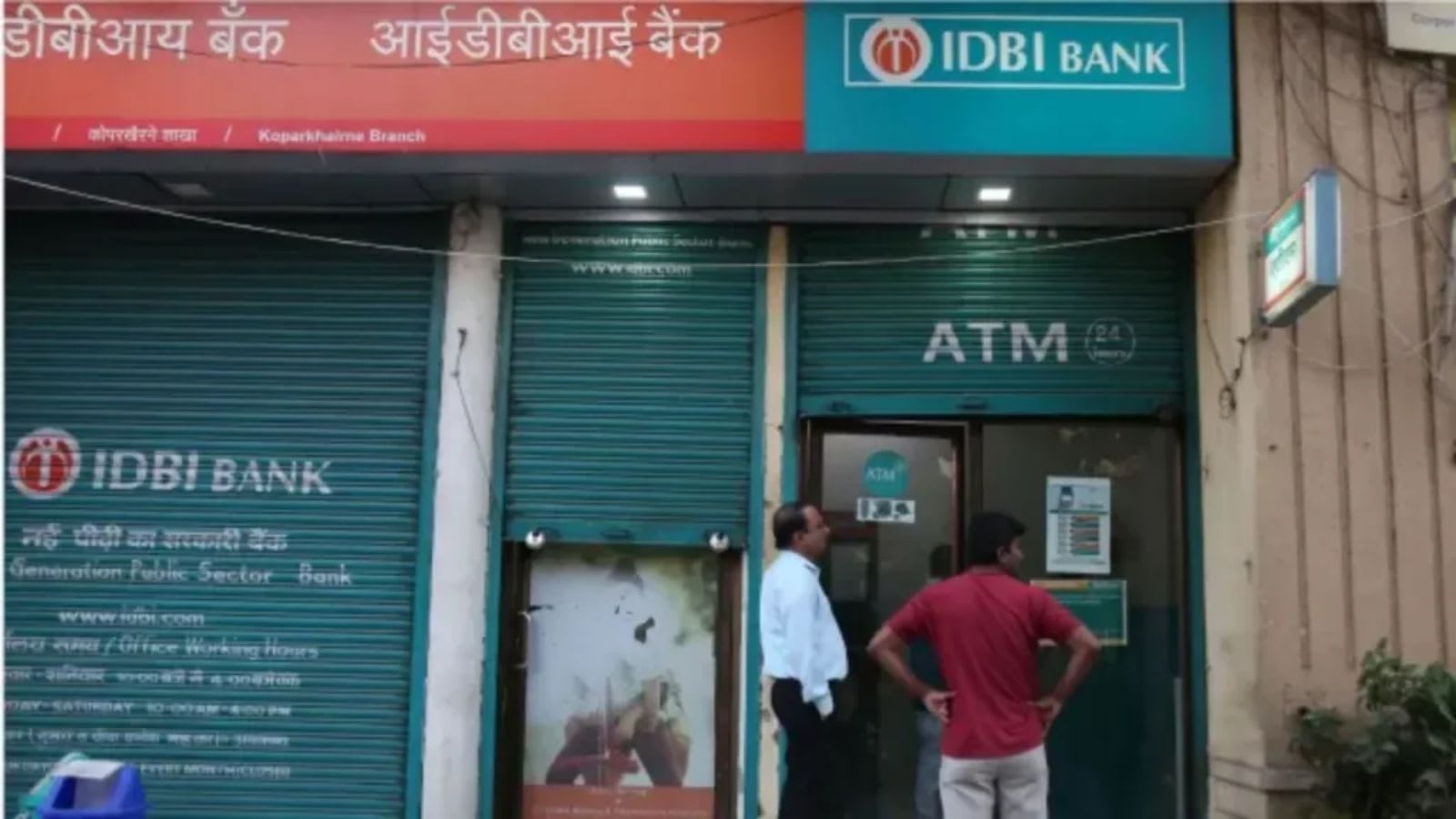
The United Forum of IDBI Officers and Employees has petitioned the RBI to block the proposed sale of IDBI Bank to Fairfax Financial Holdings. The union cites significant concerns regarding valuation, funding transparency, and the implications of transferring management to a foreign entity.
The Contested Future of IDBI Bank: A Regulatory Showdown
The Union's Intervention
The United Forum of IDBI Officers and Employees (UFIOE) has taken a decisive step in the ongoing disinvestment saga of IDBI Bank. By formally petitioning the Reserve Bank of India (RBI) on November 15, the union has sought to halt the proposed sale to Fairfax Financial Holdings. This move represents a significant pushback against the privatization efforts currently being spearheaded by the Indian government and the Life Insurance Corporation of India (LIC).
Core Concerns: Valuation and Transparency
At the heart of the UFIOE’s opposition are deep-seated anxieties regarding the financial integrity of the deal. The union has explicitly questioned the valuation methods employed, suggesting that the bank's true worth may not be adequately reflected in the current proposal. Furthermore, there is significant apprehension regarding the source of acquisition funds, with employees demanding greater transparency to ensure the buyer's financial stability and long-term commitment to the institution.
Depositor Protection and Governance
The union’s petition highlights a critical aspect of the banking sector: the protection of depositors. By raising alarms over the potential transfer of management control to a foreign entity, the UFIOE is touching upon broader systemic concerns regarding the oversight of public-sector-turned-private banking entities. The union argues that this transition is not merely a shareholder transaction but a fundamental change in the bank’s operational philosophy that requires rigorous regulatory scrutiny.
Regulatory Scrutiny and Independent Audits
The UFIOE has called for an independent, third-party examination of the entire transaction. By urging the RBI to intervene, the union is effectively asking the regulator to exercise its role as the guardian of financial stability. They contend that the RBI should advise both the government and LIC to abandon the current path, suggesting that the risks associated with the Fairfax acquisition outweigh the perceived benefits of the disinvestment process.
Implications for the Banking Sector
This conflict highlights the inherent tension between the government’s privatization agenda and the workforce's desire for job security and institutional continuity. Should the RBI choose to entertain these concerns, it could set a new precedent for how foreign acquisitions of Indian banking assets are audited and approved. The outcome of this standoff will likely influence investor sentiment regarding future bank privatizations in India.
Conclusion
The situation remains fluid as the RBI weighs the union’s representation against the government's strategic objectives. The UFIOE’s actions emphasize that the privatization of IDBI Bank is not just a financial transaction, but a complex sociopolitical issue that requires careful balancing of market interests, regulatory mandates, and the concerns of the employees who manage the bank's daily operations.