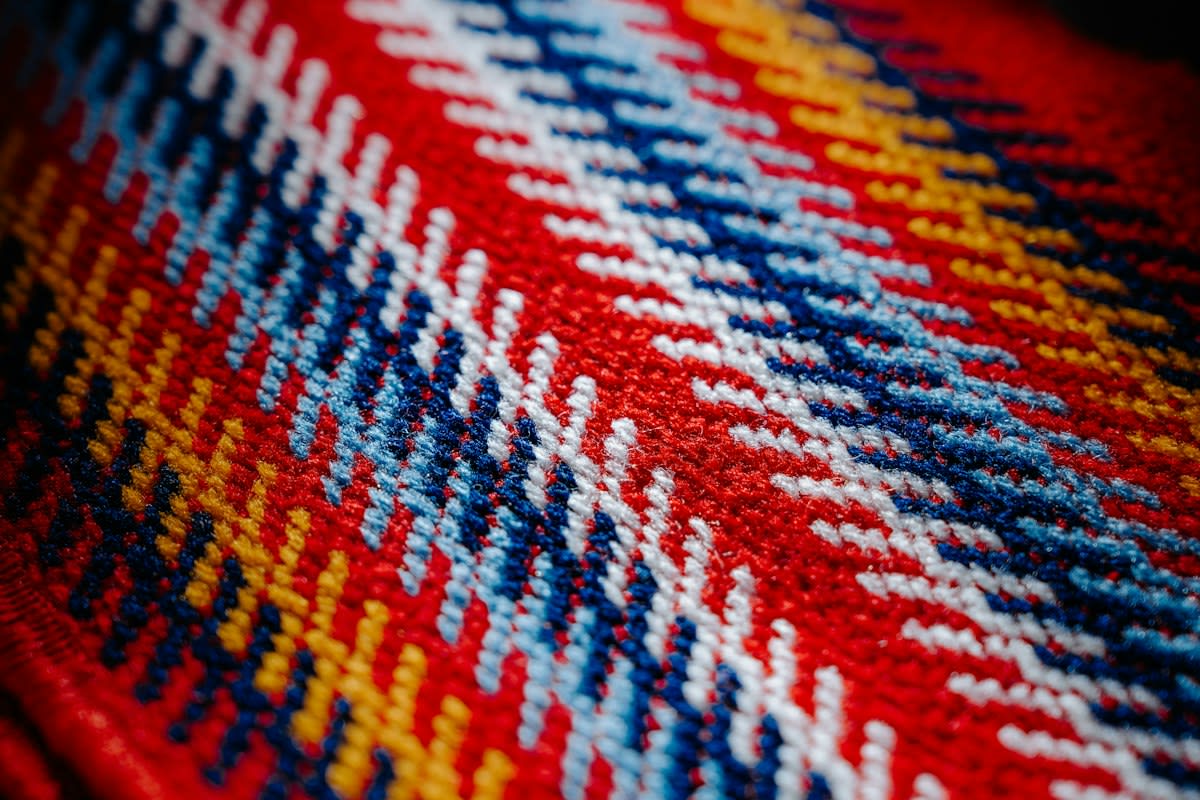
Threads carry hidden data. Do we really believe that simply photographing a textile preserves its soul when the actual logic of the weave remains locked in the weaver's mind? The image is a ghost. Stop treating weaving as a dead art. By applying a digital authentication layer to the physical thread, we turn a piece of cloth into a verifiable record of heritage. This is the new standard.
Prerequisites for Digital Integration
Start with the tools. You will need a high-resolution digital scanner and a centralized platform capable of hosting a secure database for pattern authentication. Precision is the baseline. Gather the community first. Without the explicit consent and guidance of the master weavers, any digital project will fail to capture the nuance of the motifs. Trust is the primary tool.
- Centralized digital platform for pattern documentation
- High-resolution imaging hardware for motif capture
- Legal framework for indigenous intellectual property rights
- Community-led validation committee
The Step-by-Step Implementation Process
Data is not static. To succeed, you must treat the weaving process as a series of data points that can be mapped, verified, and then stored digitally. The loom is a computer. Follow these steps to ensure the digital twin matches the physical reality of the textile.
- Map the Motifs: Document the specific geometric repetitions of the weave, similar to how the Jamdani and Tangail fabrics are categorized in West Bengal (Source: Britannica, 2026).
- Build the Digital Registry: Implement a centralized platform like the DigiTELAzation project used in the Philippines to document and authenticate handloom traditions (Source: Newsbytes, 2026).
- Assign Digital Identifiers: Create unique digital signatures for each pattern to prevent the dilution of ancestral knowledge by mass-market imitators.
- Integrate Market Access: Connect the authenticated registry to a digital storefront, following the model of Likhaan, which provides digital tools and market access for indigenous artisans (Source: Newsbytes, 2026).
- Establish a Feedback Loop: Allow the weaving community to update the digital records as the art evolves, ensuring the archive is a living document.
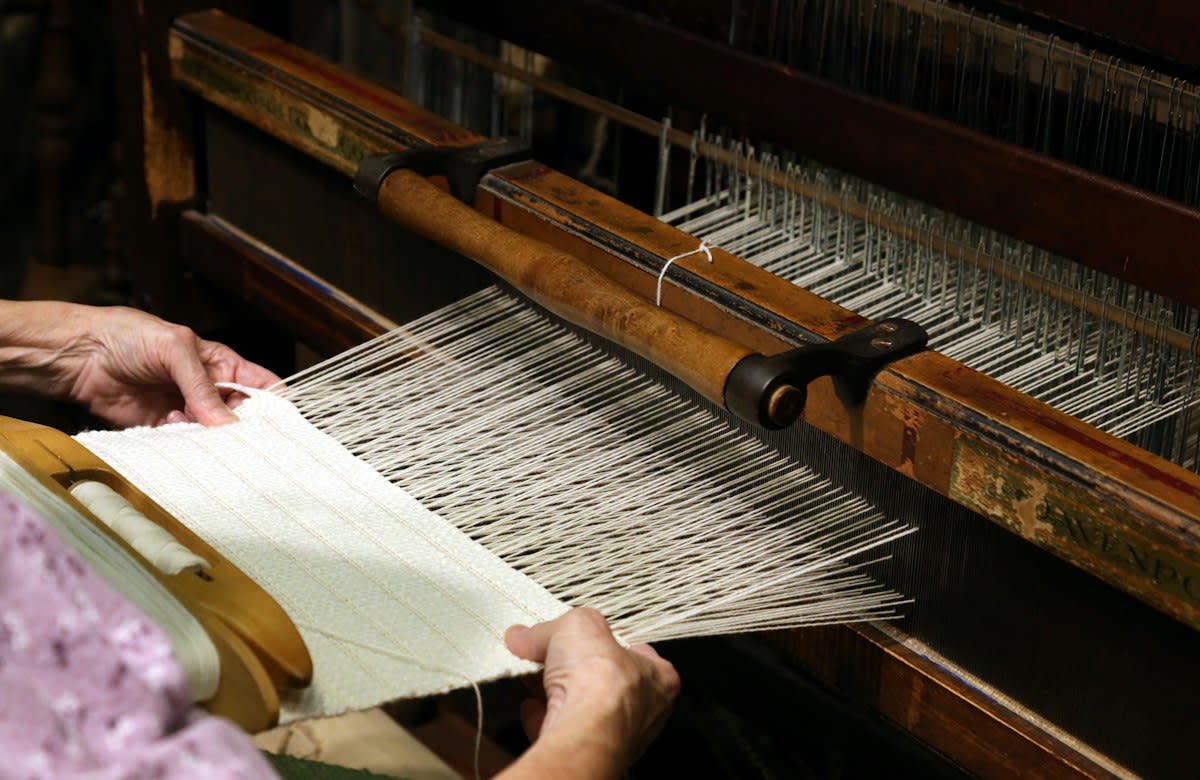
Funding drives the change. The Philippine government’s DOST-PCIEERD invested P886.5 million into 76 different creative industry projects to protect traditional manufacturing (Source: Newsbytes, 2026). This scale is necessary. If you operate on a shoestring budget, you will likely overlook the critical authentication steps that prevent cultural theft. Invest in the infrastructure.
The Invisible Clash: Practitioner Realities
The tension is real. While tech leads demand a complete digital library for accessibility, the weavers often fear that a database simply makes it easier for corporations to steal their motifs. Ownership is the battle. Listen to the elders. I have watched projects collapse when the digital team ignored the social hierarchy of the weaving circle in favor of speed. Respect slows the work.
Archives can be cages. When we suture digital data to a physical object, we risk freezing a living tradition into a static museum piece. The art must breathe. If the digital record becomes the only definition of authenticity, the weaver loses the freedom to innovate. This creates a new kind of rigidity. Avoid the trap of perfection.
"The platform is intended to support the preservation of indigenous textile designs while providing a digital resource for researchers, designers, and local weaving communities."— DOST-Philippine Textile Research Institute, DigiTELAzation Project
Broadening the Context: Global Memory
Patterns trace our journeys. In Canada, artists like Tazeen Qayyum have used dressmaking patterns to trace memory and the complicated movement of ideas between East and West (Source: Dawn, 2026). The line is a map. When you digitize a Peruvian textile, you are not just saving a design but mapping a migration of meaning. The data is the history.
Objects hold deep memory. An exhibition in Istanbul showcased 80 creations from 55 international brands to demonstrate how fashion can preserve cultural memory while giving it new meaning (Source: Vogue, 2026). This proves the demand. Global audiences value the story behind the thread more than the thread itself. Sell the provenance.

Common Pitfalls to Avoid
Avoid the easy path. Many practitioners fail because they prioritize the visual output over the authentication process required to prove the textile's origin. Verification is the goal. Do not over-digitize. When you turn every single thread into a data point, you create a mechanical failure of meaning that alienates the original creator. Balance is the key.
Ignore the hype. Some consultants suggest using AR/VR to replace the physical experience, but the weight of the fabric is where the value resides. The touch is essential. If the digital tool replaces the loom instead of supporting it, you have failed the community. Keep the thread central. Technology is the servant.
Fact-Check & Accuracy Note
This guide relies on the operational model of the DigiTELAzation project (Source: Newsbytes, 2026) and the cultural documentation methods seen in West Bengal (Source: Britannica, 2026). There is an ongoing academic debate regarding whether digitization facilitates 'cultural preservation' or 'digital colonialism,' specifically concerning who owns the server where indigenous patterns are stored.
Editorial Note
Editorial Note: This guide applies proven methodologies from the Philippine creative industry to the Peruvian textile context. While the funding data (P886.5 million) is specific to the DOST-PCIEERD, the technical steps for pattern authentication are universal to handloom traditions.