Delhi air pollution: AAP slams Delhi govt for alleged air quality data ‘manipulation’
Source Entity
India Latest News: Top National Headlines Today & Breaking News | The Hindu
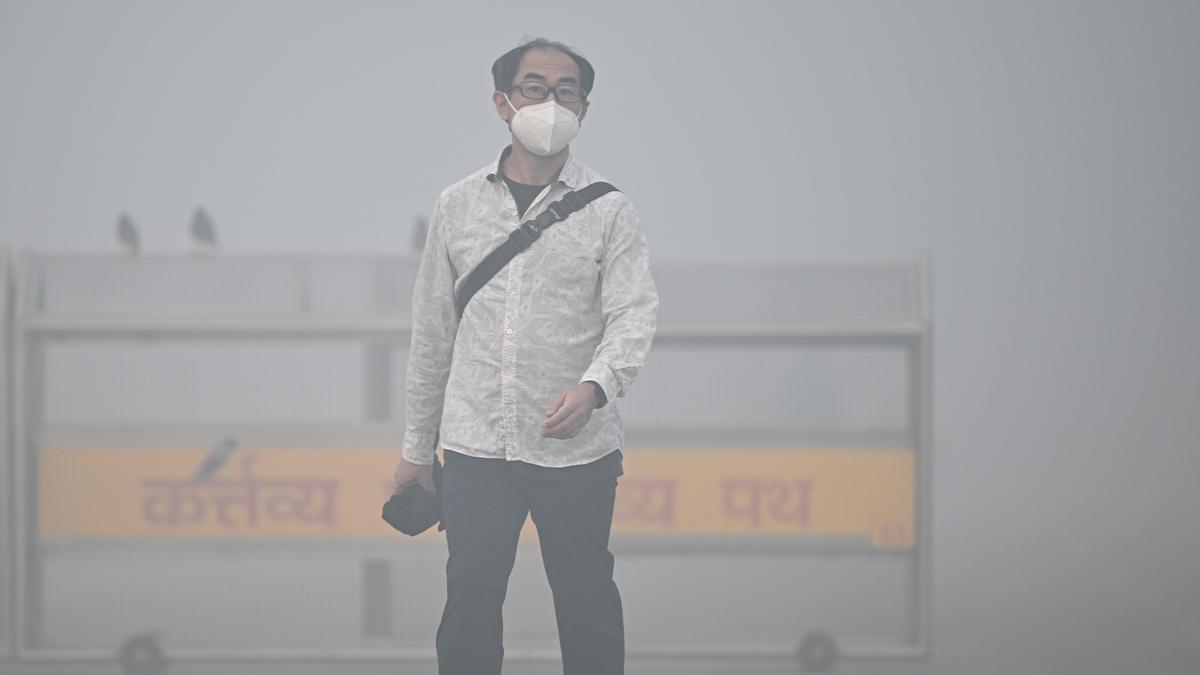
Delhi is engulfed in hazardous smog following Diwali, sparking a fierce political blame game between the AAP and BJP. Both parties are accusing each other of data manipulation and long-term administrative failure as air quality hits severe levels.
The Post-Diwali Smog Crisis: A Political Firestorm
Following the Diwali celebrations, Delhi has been enveloped in a dense blanket of toxic smog, with air quality plummeting to the brink of the 'severe' category. As PM2.5 levels surged to 66 times the World Health Organization’s recommended guidelines, the environmental crisis has rapidly transitioned into a high-stakes political battle. The immediate physical impact on residents is now compounded by a breakdown in trust regarding official air quality data.
Accusations of Data Manipulation
The Aam Aadmi Party (AAP) has leveled serious allegations against the BJP-led government, claiming that air quality monitoring stations were deliberately shut down or manipulated during the Diwali period. AAP Delhi president Saurabh Bharadwaj has characterized these actions as a form of “data fraud,” suggesting that the government is attempting to obscure the true severity of the pollution levels to evade accountability. This skepticism is rooted in reports that water was allegedly sprayed near monitoring stations, a move critics argue artificially lowers AQI readings.
The Blame Game: BJP vs. Opposition
In response to these allegations, the Bharatiya Janata Party (BJP) has pushed back, pivoting to a narrative of historical negligence. BJP leaders, including figures like Kapil Mishra and Praveen Khandelwal, have blamed the previous AAP and Congress administrations for failing to address the structural causes of Delhi's annual winter air crisis. The BJP has specifically pointed to the persistence of farm fires in Punjab—governed by the AAP—as a primary driver of the current smog, labeling the situation a political "conspiracy."
The Crisis of Credibility
The political fallout is exacerbated by the fact that the public relies on official AQI data to make health decisions. When political parties like the AAP and Congress openly question the integrity of this data, it creates a vacuum of information that leaves the citizenry vulnerable. The controversy over "missing" or "fudged" data suggests that the mechanism for monitoring public health has become a partisan tool rather than a scientific utility, complicating efforts to implement effective emergency measures.
Broader Environmental Implications
The current situation underscores the systemic failure to manage Delhi's air quality despite years of judicial intervention, including Supreme Court-mandated deadlines for firecracker usage. The breach of these deadlines on Diwali night, followed by the subsequent spike in pollution, highlights a lack of enforcement and public compliance. As the region chokes under a thick layer of smoke, the focus remains on the efficacy of long-term policy versus short-term political posturing.
Future Trends and Outlook
Looking ahead, this trend of accusing the opposition of data manipulation is likely to deepen as air quality continues to fluctuate throughout the winter months. Unless there is a move toward independent, transparent, and non-partisan air quality auditing, the public discourse will remain trapped in this cycle of denial and accusation. The reliance on finger-pointing over cross-party policy collaboration suggests that meaningful progress on Delhi’s air crisis will remain elusive in the near term.
Verification Required?