India's Prachand, Apache fleet vs Pakistan's 30 Chinese Z-10ME helicopters: How they compare
Source Entity
DHRUV YADAV
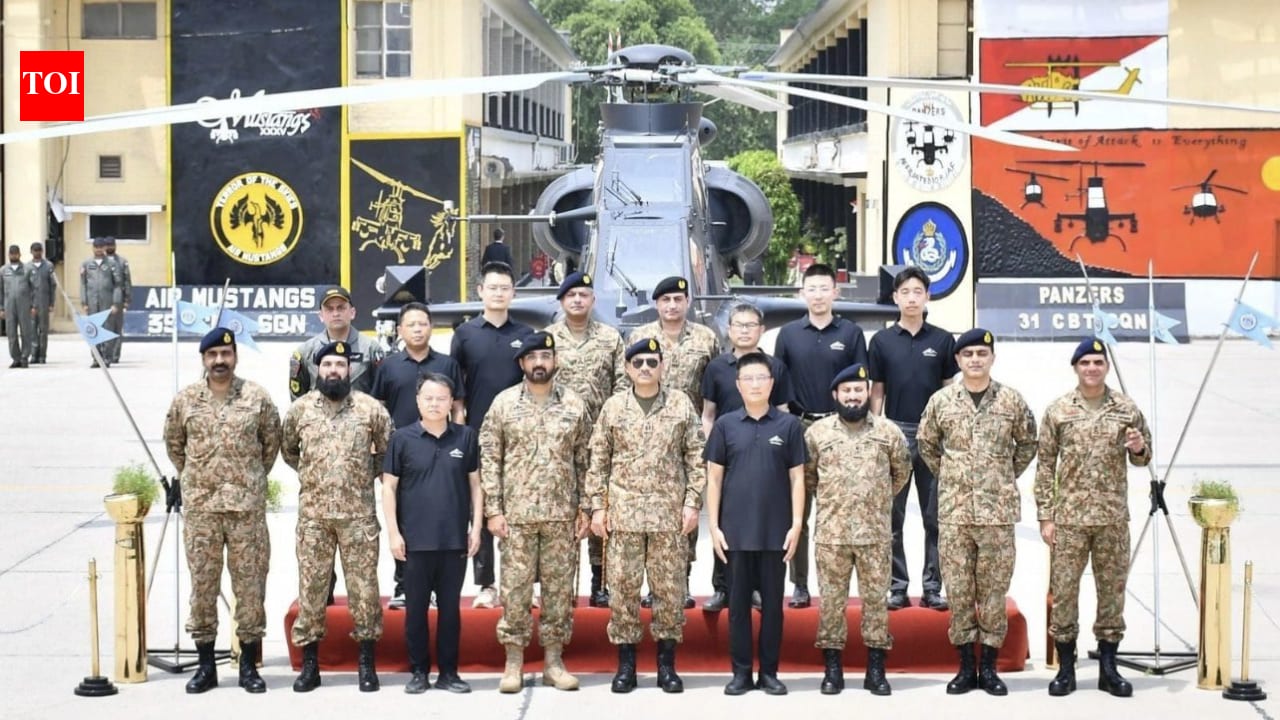
India and Pakistan are engaged in a significant military modernization race, with Pakistan procuring Chinese hardware like Z-10ME helicopters and India enhancing its high-altitude combat capabilities. Analysts argue that while India maintains a strategic edge, the evolving theater now demands focus on intelligence and information warfare.
The Evolving Aerial Arms Race in South Asia
The strategic landscape in South Asia is undergoing a significant transformation as both India and Pakistan accelerate efforts to modernize their respective military arsenals. Recent reports indicate that Pakistan is moving to replace its aging fleet of American-made Bell AH-1F Cobra helicopters with 30 advanced Chinese Z-10ME attack helicopters. This procurement signals a deeper integration with Chinese defense technology, aimed at bolstering Pakistan's operational readiness in a volatile region.
India’s Response: High-Altitude Dominance
In tandem with Pakistan’s modernization, India is aggressively expanding its own aerial capabilities. Central to this strategy is the induction of the indigenous Light Combat Helicopter (LCH) 'Prachand.' Unlike traditional platforms, the Prachand is specifically engineered for high-altitude combat, providing India with a distinct tactical advantage in mountainous terrains. By pairing these agile platforms with the existing Apache fleet, India is prioritizing versatility and altitude-specific performance to counter evolving threats along its borders.
Beyond Conventional Platforms
While the focus remains on hardware like helicopters, missiles, and potential acquisitions of advanced fighter jets such as the Chinese J-20, the contest between the two nations is becoming increasingly multifaceted. Experts, including Hindustan Times Executive Editor Shishir Gupta, have highlighted that the strategic competition now extends well beyond physical platforms. The discourse surrounding 'Operation Sindoor' suggests that the military challenge from Islamabad remains persistent, necessitating a broader defensive posture from New Delhi.
The Intelligence and Information Front
Modern warfare is no longer defined solely by kinetic engagements. A critical dimension of this ongoing rivalry involves counterintelligence and information warfare. As Pakistan seeks to leverage its relationships with international partners, India is being urged to focus on internal security and the digital battlefield. The ability to detect and neutralize 'spy tactics' has become as essential to national defense as the deployment of conventional weaponry.
Sustaining the Strategic Edge
Despite the rapid military build-up observed in Pakistan, analysts maintain that India currently retains a significant military edge. However, sustaining this superiority requires more than just procurement. It demands a commitment to self-reliance (Atmanirbhar Bharat), sustained modernization of legacy systems, and heightened vigilance against multifaceted threats. The strategic contest is ongoing, and India’s ability to adapt to these shifting dynamics will be the defining factor in regional stability.
Future Trends and Outlook
Looking forward, the regional arms race is likely to continue as both nations balance diplomatic bargaining with military expansion. The reliance on Chinese technology by Pakistan and India’s push for indigenous, high-altitude platforms will likely dictate the nature of future border tensions. As these states continue to invest in drones, submarines, and long-range missiles, the emphasis on technological parity and information superiority will only intensify, making the coming years a critical juncture for South Asian security.