Tiger that travelled 500 km from Yavatmal, kills farmer in Beed
Source Entity
Latest News: Todays Latest News Headlines from India & World | Hindustan Times
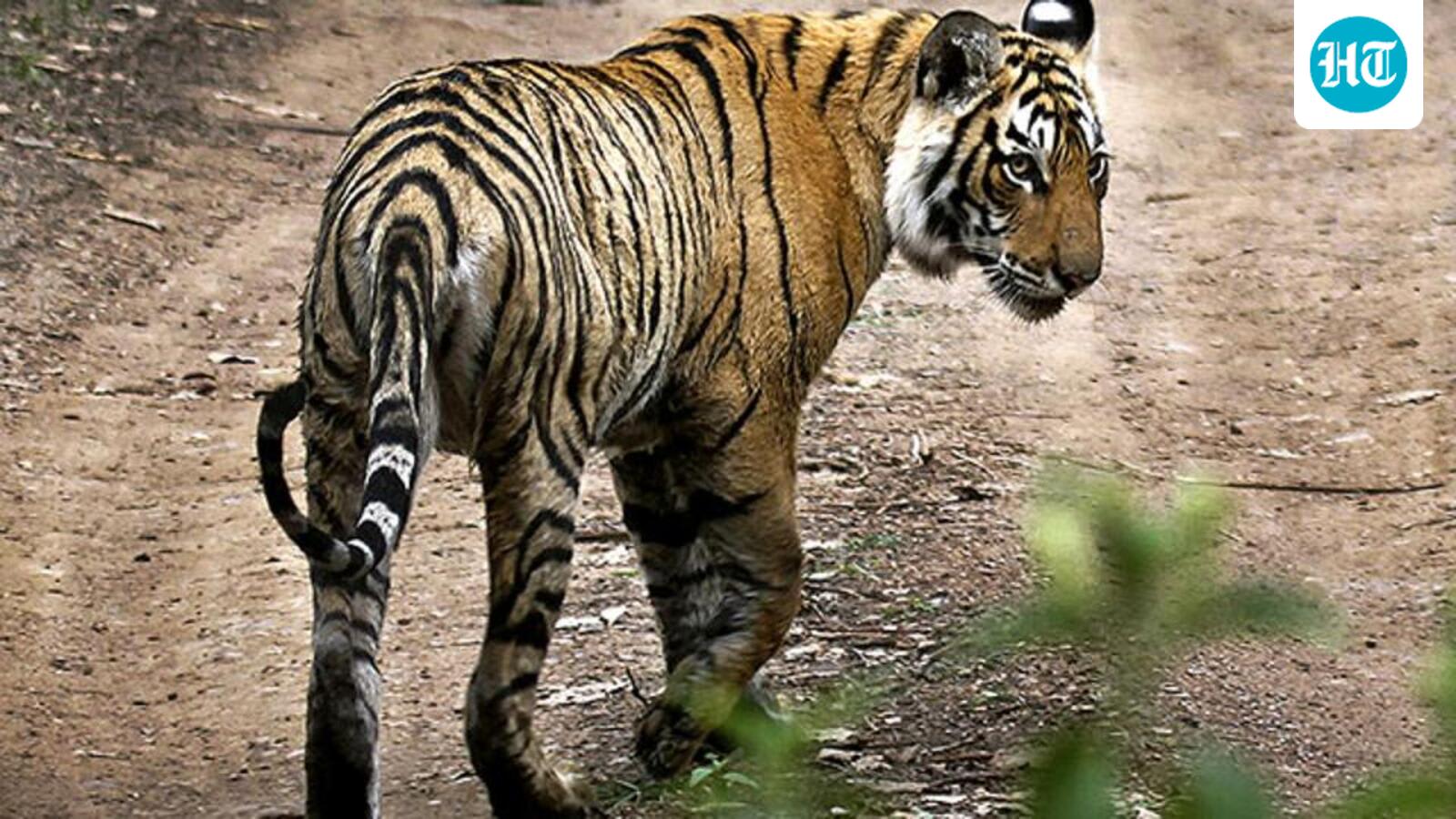
A tiger named Ramling, which migrated 500 km from Yavatmal, has killed a 45-year-old farmer in Beed's Ashti taluka. Forest authorities have launched intensive surveillance and tracking operations to mitigate further human-wildlife conflict.
The Tragic Intersection of Wildlife Migration and Human Encroachment
The recent fatal encounter in Lokhandewadi village, where a 45-year-old farmer named Devidas Manik Takle was mauled by a tiger known as 'Ramling,' highlights the escalating challenges of human-wildlife conflict in Maharashtra. Ramling, a male tiger, had already gained notoriety for an extraordinary 500-kilometer migration from Yavatmal to Solapur in 2024. This incident serves as a grim reminder of how wildlife movement patterns are increasingly intersecting with human-inhabited agricultural landscapes.
The Anatomy of the Incident
According to reports, the incident occurred on a Saturday morning when the victim entered a forested hill area near his village to collect fodder for his livestock. This routine agricultural activity, performed between 8:15 am and 8:30 am, placed the farmer directly in the path of the apex predator. The proximity of the forested hill to the village demonstrates the thin margin between protected wildlife corridors and human rural life in the region.
Challenges in Tracking Migratory Tigers
Tracking a tiger that has traversed such a vast distance requires immense resources and coordination. Ramling’s journey from Yavatmal, through diverse terrain to reach the Beed district, suggests a desperate search for territory or prey. Wildlife experts often note that when tigers migrate through non-traditional habitats, they are more prone to encounters with humans, as they lack established hunting grounds and are forced to traverse agricultural fields and village fringes.
Forest Department Response and Mitigation
In the aftermath of the attack, the local forest department has initiated an aggressive response. By installing camera traps and intensifying patrols in the Ashti taluka, authorities are attempting to map the tiger's current movements to prevent further casualties. This reactive approach is essential for immediate public safety, but it underscores the difficulty of managing a large carnivore that has already demonstrated a capacity for long-range dispersal.
Broader Implications for Wildlife Management
This event raises significant questions about the future of wildlife connectivity in India. As habitats become fragmented, tigers are forced to migrate through human-dominated landscapes to find mates or secure new territories. The case of Ramling illustrates that traditional wildlife corridors are either insufficient or obstructed, leading to high-risk scenarios for both the animal and the local population. Moving forward, the focus must shift toward community-based alert systems and long-term land-use planning that acknowledges the reality of wildlife dispersal.
Conclusion
The death of Devidas Manik Takle is a tragic testament to the dangers posed by shifting wildlife ranges. While tracking and surveillance are critical short-term measures, long-term coexistence will require a deeper understanding of migratory triggers and more robust infrastructure to keep human and wildlife populations separated in high-risk zones.
Verification Required?