'Immigration policy too tough': 5 key takeaways from Trump's 60 minutes interview
Source Entity
PRANJAL PANDEY
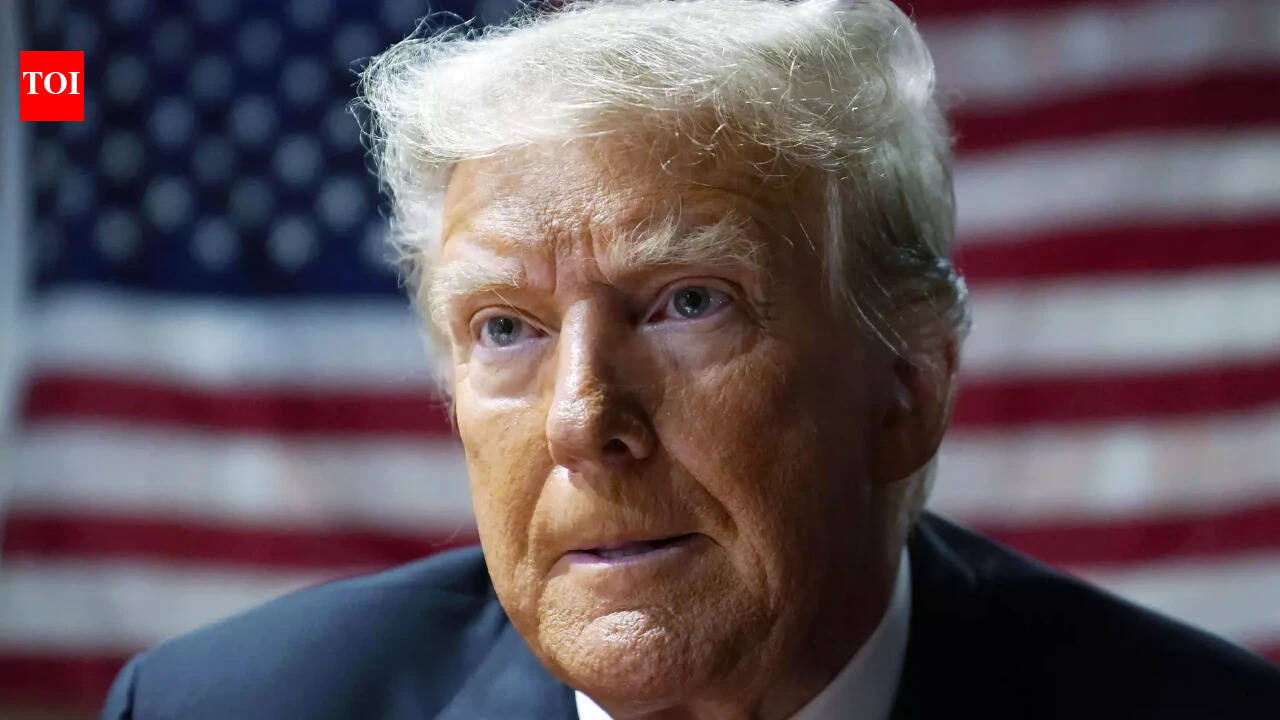
President Donald Trump has acknowledged that his administration's strict deportation policies and involvement in the Iran conflict contributed to Republican midterm losses. He expressed a new willingness to negotiate with Democrats on immigration reform for long-term residents.
Assessing the Political Fallout: Trump’s Post-Midterm Reflection
Following a challenging midterm election cycle that saw the Republican Party lose control of both the House and the Senate, President Donald Trump has offered a rare, candid assessment of his administration’s strategic direction. In a recent interview on CBS’s 60 Minutes, the President addressed the factors contributing to these electoral setbacks, specifically highlighting his administration's approach to immigration enforcement and foreign policy as key areas of voter friction.
The Immigration Dilemma: Balancing Security and Sentiment
At the core of the President’s reflection is the admission that his aggressive deportation policies may have been perceived as "too tough" by the electorate. While maintaining that his administration successfully prioritized border security, Trump acknowledged a growing disconnect regarding the treatment of long-term residents who have integrated into the economy—paying taxes and maintaining employment. This shift in rhetoric suggests a potential pivot toward a more nuanced immigration strategy, with the President explicitly stating an openness to negotiate with Democratic counterparts to reach a legislative consensus.
Foreign Policy and the Iran Factor
Beyond domestic concerns, the President confronted criticism regarding his foreign policy, specifically his administration's military stance toward Iran. By concurring with Vice President JD Vance’s assessment that the conflict with Iran negatively impacted the party’s performance, Trump signaled an awareness that military entanglements abroad can carry heavy political costs at home. He defended his record by claiming to have successfully prevented Iran from acquiring nuclear weapons, yet he recognized that the optics of the conflict, coupled with rising petrol prices and shifting public sentiment toward Israel, created a "perfect storm" of dissatisfaction among voters.
Strategic Realignment and Personnel Shifts
Despite the admission of past policy excesses, the political landscape remains complex. The appointment of Stephen Miller as Chief of Staff shortly after the interview provides a counter-narrative to the idea of a total ideological softening. Miller has historically been the architect of the administration's most rigid immigration stances, suggesting that while the President is willing to negotiate, his underlying commitment to a strong, security-first apparatus remains fundamentally intact.
Future Implications for Bipartisan Reform
The prospect of a deal with Democrats on immigration marks a significant departure from the partisan gridlock that defined the previous term. However, the path to such a deal remains fraught with uncertainty. The President has not yet provided specific details on what a compromise would entail, leaving observers to speculate whether this is a genuine attempt at legislative progress or a tactical move to regain political capital. The success of any such reform will depend on whether the administration can reconcile its "tough" branding with the more moderate demands of the current political climate.
Conclusion
In summary, President Trump’s recent comments reflect a leader grappling with the realities of electoral accountability. By acknowledging the political liability of his deportation policies and the fallout from the Iran conflict, the President has set the stage for a period of potential recalibration. Whether this acknowledgement leads to concrete policy shifts or serves as a temporary response to political adversity remains the defining question of his post-midterm agenda.