Janice Tjen questions WTA 250 Chennai Open organisers after singles final postponed
Source Entity
Latest News: Todays Latest News Headlines from India & World | Hindustan Times
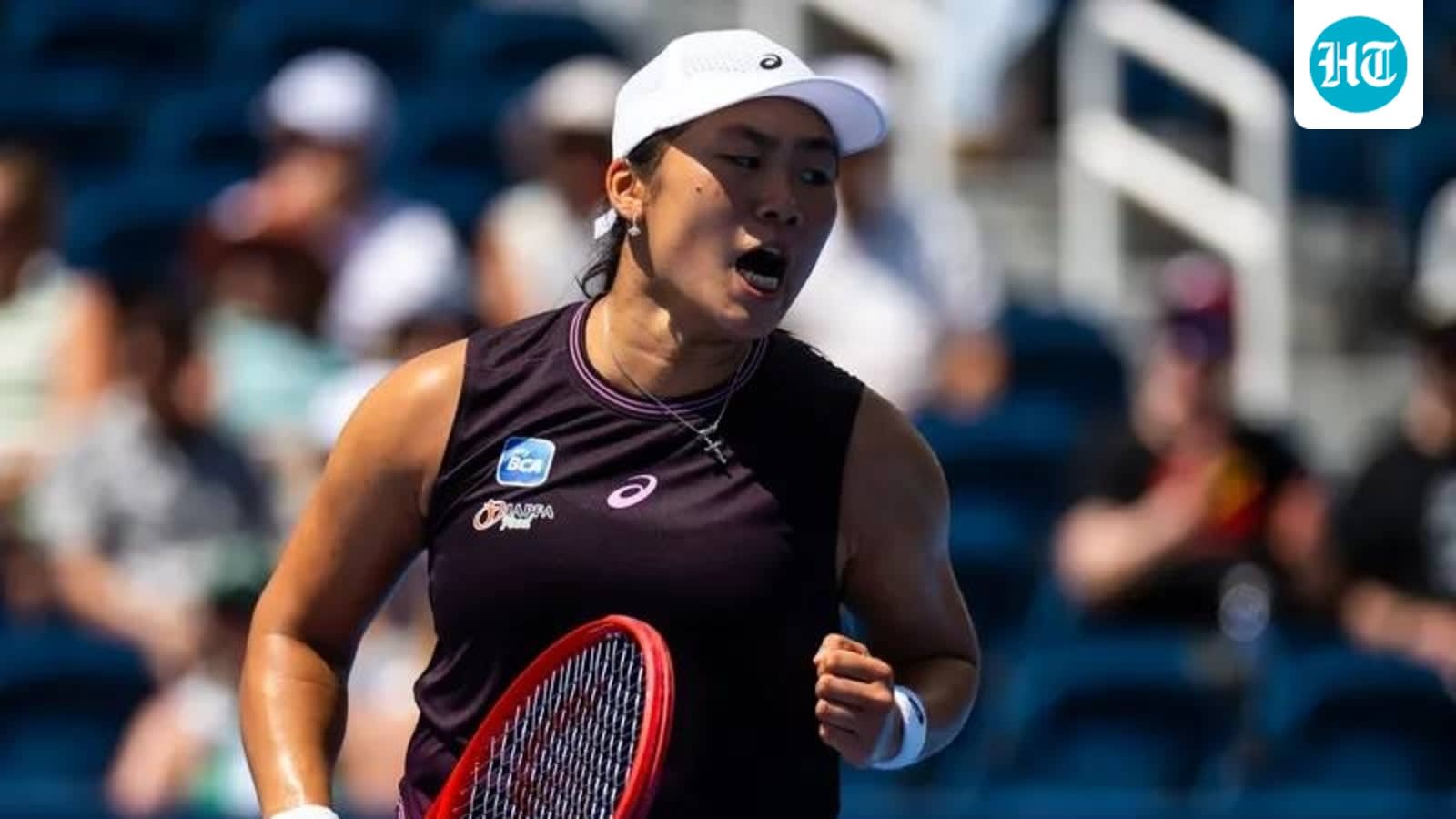
Janice Tjen criticized Chennai Open organizers for postponing the women's singles final against Magda Linette. Despite the postponement being attributed to rain and court conditions, Tjen raised concerns regarding air quality, highlighting tensions between players and tournament management.
Controversy at the WTA 250 Chennai Open
The recent WTA 250 tournament in Chennai became the center of a heated dispute after finalist Janice Tjen publicly criticized organizers for the postponement of the women's singles final. Scheduled to face Poland's Magda Linette, Tjen expressed frustration after the match was delayed multiple times on Sunday evening, eventually leading to a rescheduling for Monday morning. This incident has brought tournament management practices under intense scrutiny, particularly regarding the communication and decision-making processes governing player welfare.
The Sequence of Delays
The logistical challenges began following the conclusion of the doubles final, which proceeded without interruption. The singles final, initially slated for a 6:30 pm IST start, faced immediate setbacks due to inclement weather. While organizers attempted to salvage the schedule by drying the center court—eventually setting a revised start time of 9 pm IST—the match was ultimately called off. This chain of events highlights the volatility of hosting outdoor tennis events in regions prone to sudden weather shifts, where the balance between maintaining a broadcast schedule and ensuring court safety is often precarious.
Tensions Over Air Quality
Beyond the weather-related delays, the situation took a more serious turn when Janice Tjen alleged that players had expressed a desire to continue with the match despite prevailing environmental concerns. Specifically, Tjen pointed to poor air quality in Chennai as a primary factor that should have been considered, suggesting that the organizers' decision-making process lacked transparency or failed to incorporate player feedback. This highlights an increasing trend in professional sports where athletes are becoming more vocal about the impact of environmental conditions on their performance and health.
Player Welfare and Tournament Governance
This incident underscores the broader tension between tournament organizers, who must adhere to broadcasting commitments and governing body regulations, and players, who are the ones physically exposed to the conditions. When a player like Tjen, who had reached her second consecutive Chennai Open final, publicly challenges the official narrative, it indicates a breakdown in the athlete-organizer relationship. Such public disputes can have long-term implications for a tournament's reputation and its ability to attract top-tier talent in future iterations.
Implications for Future Scheduling
As the WTA 250 tour continues to expand its footprint, the need for robust contingency plans regarding both meteorological and environmental factors becomes paramount. The decision to finalize the match on Monday morning at 11 am is a standard regulatory move, yet the underlying grievances regarding why the match was not played on Sunday evening remain unresolved. Future tournaments will likely face increased pressure to provide clear, data-driven justifications for play suspensions to avoid the type of public friction witnessed in Chennai.
Conclusion
The postponement of the Chennai Open final serves as a case study in the complexities of managing professional tennis events. While the WTA eventually confirmed the rescheduled time, the controversy sparked by Janice Tjen regarding air quality and organizer communication remains a significant talking point. Ensuring that player concerns are integrated into the decision-making loop is essential for the continued growth and professionalization of the WTA tour in diverse global climates.
Verification Required?