As Magnus Carlsen and 23 others await, Total Chess chief defends fast classical stage
Source Entity
JYOTIRMOY HALDER
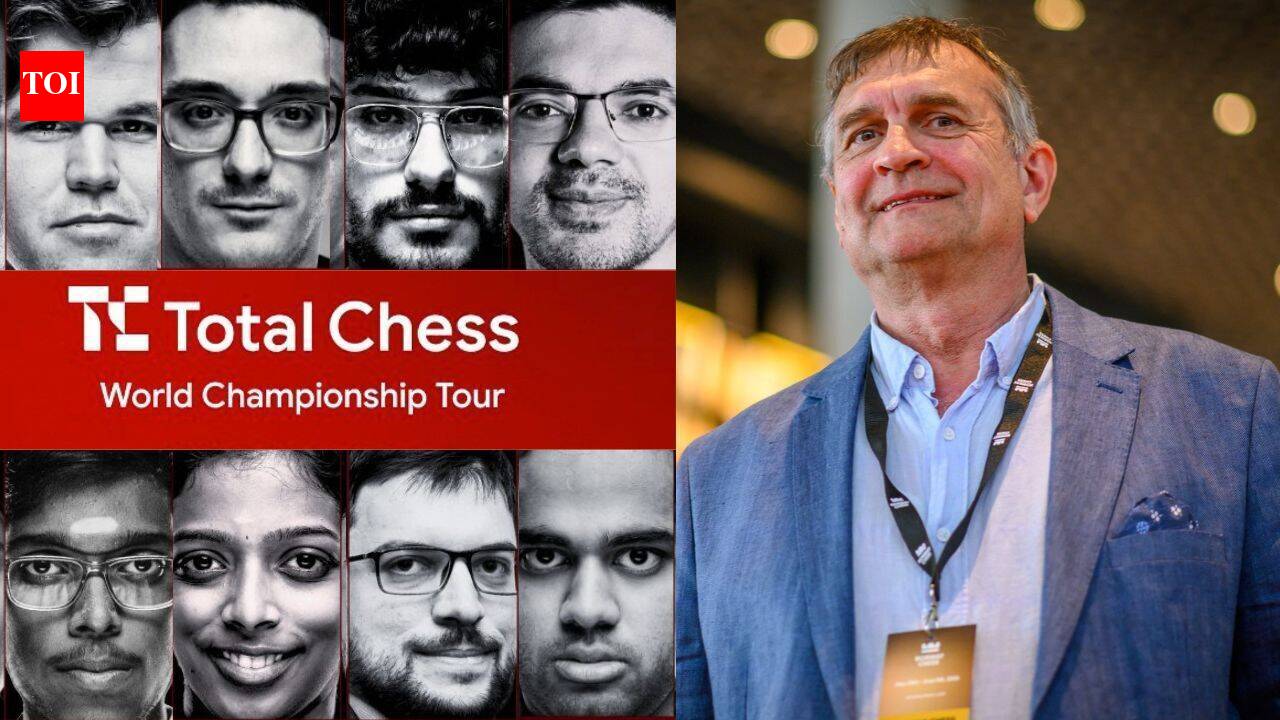
Total Chess CEO Kjell Madland is defending the pilot tournament's fast classical-only group stage as a necessary modernization. The event features 24 top players, including Magnus Carlsen, and blends blitz, classical, and knockout formats to boost audience engagement.
Redefining Competitive Chess: The Total Chess Pilot
The landscape of professional chess is undergoing a significant transformation, marked by the inaugural pilot tournament organized by Total Chess. As 24 elite competitors, including the world-renowned Magnus Carlsen, prepare for the opening moves, the event’s structure has become a focal point of industry debate. Total Chess chief Kjell Madland has stepped forward to defend the tournament's unique decision to implement a fast classical-only group stage, signaling a departure from traditional, lengthy classical formats that have long defined the sport.
The Mechanics of the New Format
The tournament is designed as a multi-stage challenge that tests versatility across different time controls. It begins with a nine-round blitz tournament, serving as an explosive introduction to the competition. This is followed by the controversial fast classical group stage, which serves as the primary filter to determine the four semi-finalists. By integrating these specific formats, Madland emphasizes that every player remains active across all phases until the final day, maintaining competitive intensity throughout the duration of the event.
Modernization vs. Tradition
At the heart of this initiative is a desire to modernize chess for the digital age. Traditional classical chess, known for its long, grueling matches that can last several hours, often faces criticism for being difficult to broadcast and less accessible to casual fans. By shifting toward a 'fast classical' approach, the organizers are attempting to strike a balance: preserving the strategic depth of classical play while increasing the pace to meet the expectations of modern broadcast audiences and streaming platforms.
Strategic Implications for Players
For participants like Magnus Carlsen, this format shift presents a distinct tactical challenge. Elite players who are typically accustomed to deep, hours-long preparation must now adapt to a faster rhythm without sacrificing the structural integrity of their play. The inclusion of three distinct formats—blitz, fast classical, and the varied knockout stages—ensures that the eventual winner will be the player who demonstrates the highest degree of adaptability rather than just mastery of a single time control.
Future Trends in Chess Broadcasting
If the Total Chess pilot proves successful, it could set a precedent for how future tournaments are structured globally. The decision to prioritize spectator engagement over the traditional, slow-paced classical model reflects a broader trend in professional sports: the 'short-form' revolution. Should this format gain traction, we may see a decline in the dominance of long-form classical events in favor of hybrid tournaments that prioritize content consumption, audience retention, and high-stakes drama.
Conclusion
While traditionalists may remain skeptical of the accelerated pace, Kjell Madland’s defense of the format highlights a pragmatic shift toward long-term sustainability for the sport. By blending the rigor of classical play with the accessibility of faster time controls, Total Chess is attempting to bridge the gap between niche intellectual pursuit and mainstream entertainment. The success of this pilot will ultimately be measured by its ability to engage both the hardcore chess community and a new generation of digital spectators.