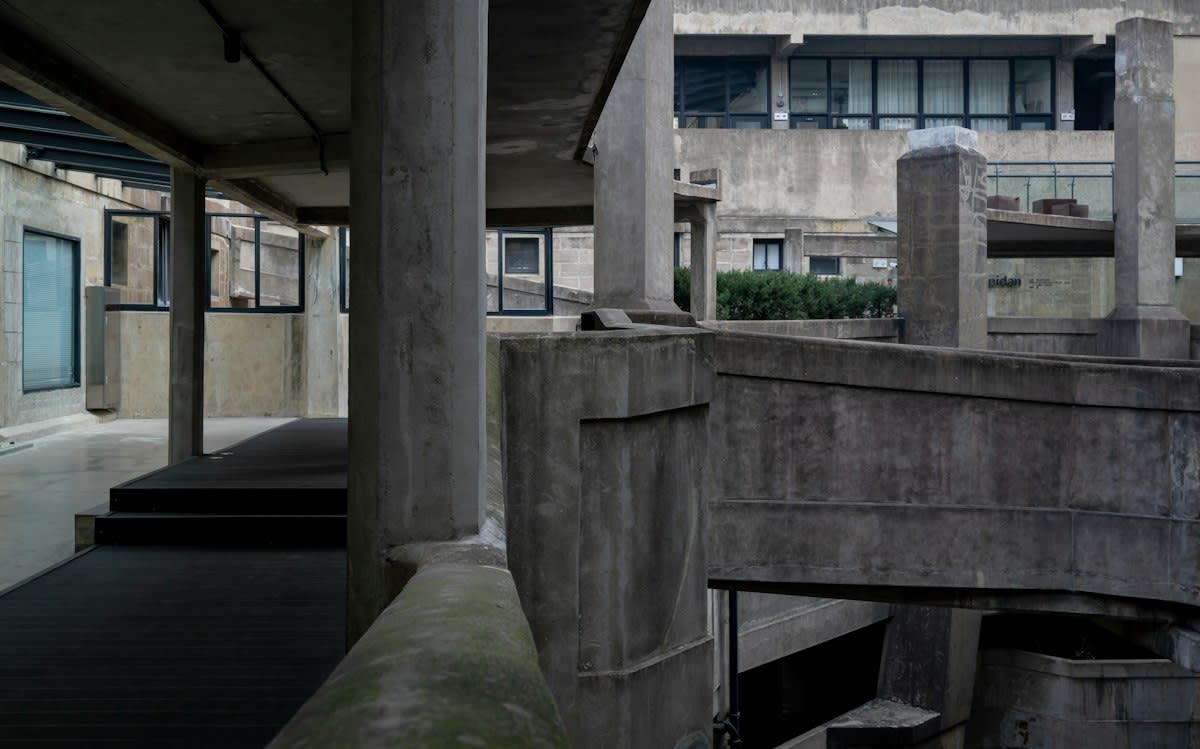
For a decade, the pinnacle of global branding was a race to the bottom of minimalism. We saw it in the 'blandification' of luxury logos and the sterile, frictionless interfaces of every major tech hub. But the pendulum is swinging. The world's most elite brands are no longer chasing a polished, universal perfection. Instead, they are pivoting toward 'anti-design'—a movement characterized by intentional friction, raw textures, and a blatant disregard for traditional rules of harmony. Why now? Because in an era where artificial intelligence can generate a 'clean, modern aesthetic' in seconds, perfection has become a commodity. Grit is the new luxury.
This is not a localized fad. We are seeing a systemic rejection of the sterile across fashion, digital identity, and architecture. When the baseline for 'good design' becomes a machine-generated average, the only way to signal true prestige is through disruption. The goal is no longer to be seamless; it is to be felt. This shift represents a move from the invisible to the visceral, where the brand is defined not by its efficiency, but by its willingness to challenge the viewer.
The Vanguard of Irreverence
The fashion industry, always the first to signal a shift in cultural appetite, is currently leading the charge. The recent appointment of Loris Messina and Simone Rizzo, founders of the cult label Sunnei, as creative directors at Moschino is a textbook example of this trajectory (Source: Harper's Bazaar Singapore, 2026). Messina and Rizzo are not known for playing it safe. Their reputation is built on an irreverent and experimental approach to contemporary fashion, utilizing unconventional presentations to challenge the very rules they are now tasked with rewriting for one of the world's most recognized houses (Source: Harper's Bazaar Singapore, 2026).
"Known for their irreverent and experimental approach contemporary fashion, the duo feels like a natural fit for a house built on Franco Moschino’s spirit of disruption."— Harper's Bazaar Singapore, 2026
This appetite for disruption extends beyond Moschino. The movement of high-profile talent, such as Olivier Rousteing transitioning from a defining 14-year tenure at Balmain to the radical codes of Rabanne, suggests a broader industry desire to move away from established pop-cultural formulas toward more aggressive, magnetic energy (Source: Harper's Bazaar Singapore, 2026). These moves signal a departure from the 'safe luxury' of the late 2010s. The new mandate is not to blend into the lifestyle of the wealthy, but to shock the system.
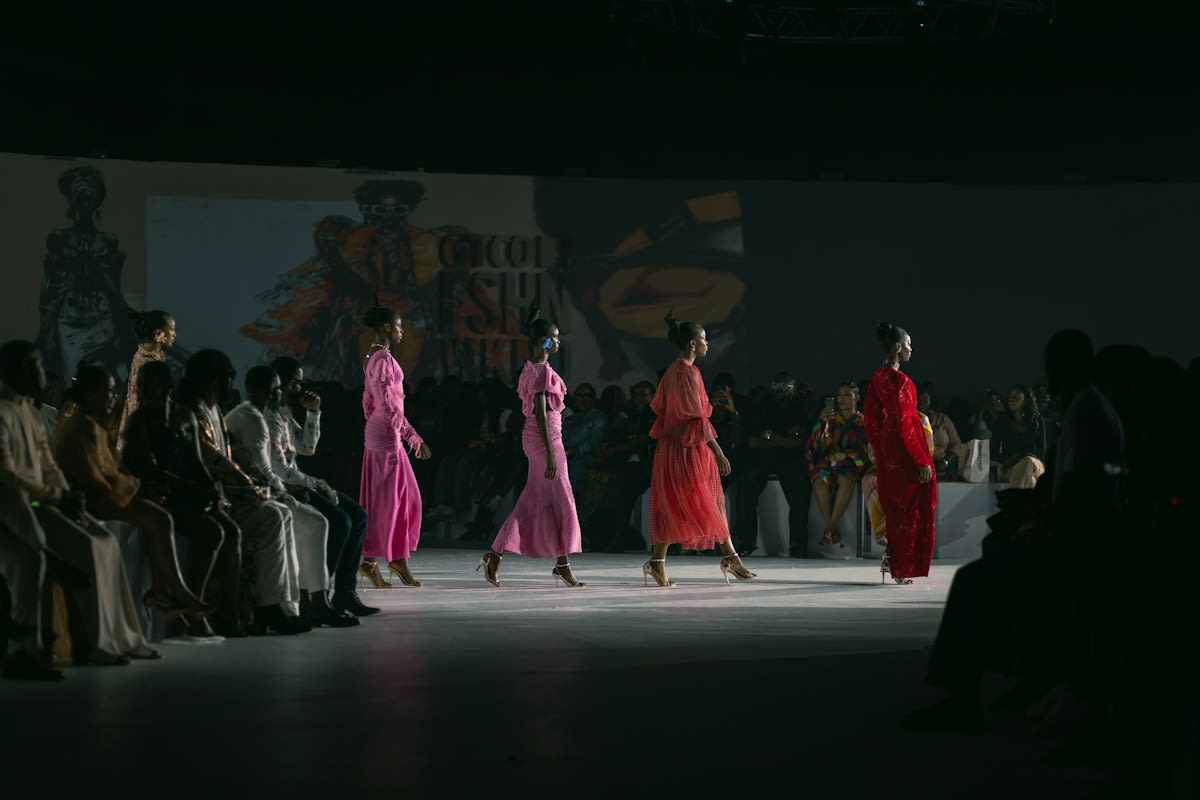
Is this merely a change in creative directors, or something deeper? It is a reaction to the saturation of the 'perfect' image. When every brand looks like a high-end hotel lobby, the only way to capture attention is to introduce chaos. The elite are no longer interested in the 'clean' look because the 'clean' look no longer communicates power—it communicates compliance.
The AI Paradox: Killing Subjective Poetry
To understand why anti-design is winning, we have to look at the machinery behind the curtain. AI image generation has mastered the art of the generic. Current industry efforts are focused on turning brand DNA into 'machine-readable attributes' to ensure consistency (Source: Lumesa.ai, 2026). The technical requirement for AI is the elimination of 'subjective poetry'—the vague descriptors like 'clean, modern aesthetic' that previously defined luxury (Source: Lumesa.ai, 2026).
This creates a fascinating paradox. As brands build 'managed visual infrastructures' and 'tokenized prompts' to lock in their assets and prevent hallucinated logos, they are effectively automating the 'perfect' version of their brand (Source: Lumesa.ai, 2026). When the production line of imagery becomes this efficient, the 'perfect' image loses its value. The human eye begins to crave the opposite: the smudge, the glitch, and the grit.
This is where anti-design enters as a strategic moat. By embracing aesthetics that are difficult for AI to replicate without looking like a 'hallucination'—such as true brutalism or genuine grunge—brands create a visual language that feels authentically human. They are moving away from the 'ground truth' of machine-readable assets and back toward the unpredictable nature of artistic expression.
Brutalism, Grunge, and the New Identity Systems
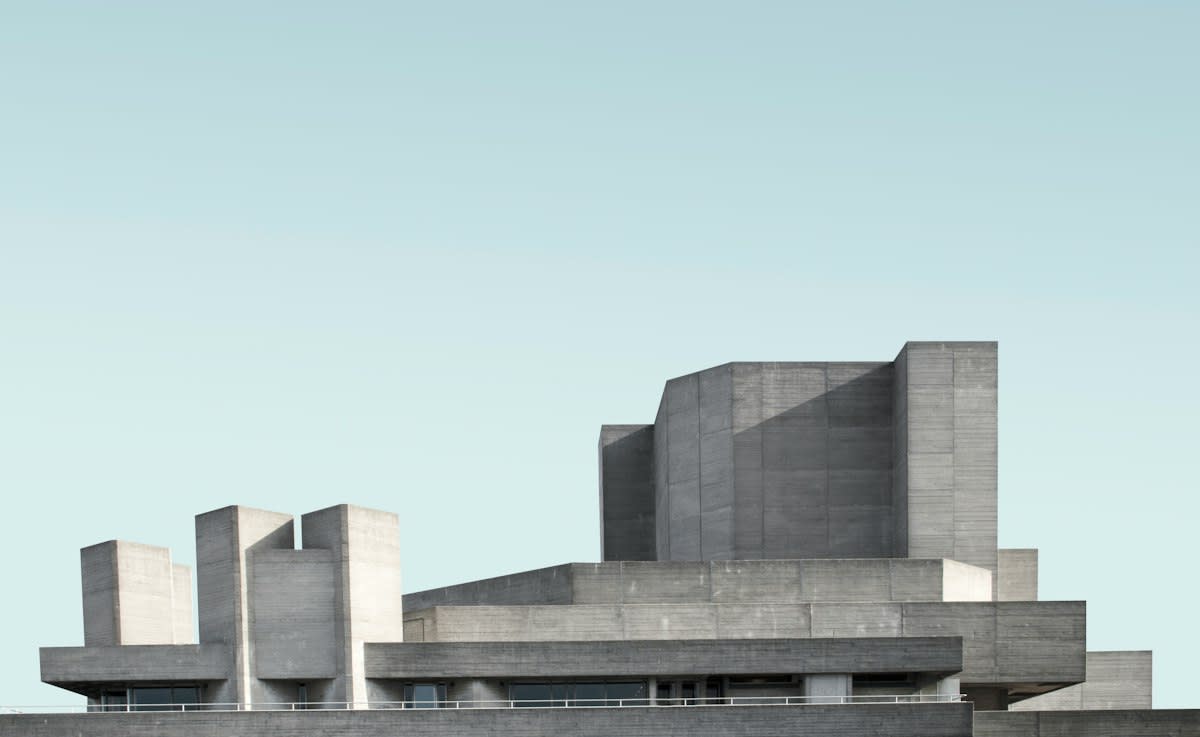
The current design landscape is seeing a resurgence of aesthetics that were once considered 'ugly' or 'unrefined.' We are seeing a return to Brutalism, Grunge, Cyberpunk, and Y2K aesthetics in high-end identity systems (Source: Studio 2am, 2026). These are not just nostalgia trips; they are tools for creating 'identity systems with some grit' (Source: Studio 2am, 2026). By utilizing raw textures and unconventional layouts, brands can break through the digital noise of a perfectly curated Instagram feed.
Even in unglamorous sectors, this shift is manifesting. Consider the rebranding of payroll services, a category typically defined by invisibility and sterile trust. Instead of chasing a generic 'corporate blue' look, some are pulling from the actual visual language of money and using modular building-block cubes to create a look that is 'confident and legible' without being boring (Source: Studio 2am, 2026). It is a move toward functional grit—design that works but doesn't apologize for its utility.
This philosophy mirrors a trend in architecture: adaptive reuse. Rather than tearing down the old to build a sterile glass tower, there is a growing focus on 'thoughtful modernization' and the stewardship of existing legacies (Source: ADP Architects, 2026). Both the architect and the brand designer are realizing that the 'new' is less interesting than the 'transformed.' The value lies in the tension between the original raw structure and the modern intervention.
On the ground, this shift creates a fierce debate among practitioners. In the studios, the friction is between 'award-winning daring' and 'confident legibility' (Source: Studio 2am, 2026). Designers are arguing over whether a brand should be a seamless experience or a challenging one. The consensus among the elite is shifting toward the latter. The belief is that if a user has to work slightly harder to parse a brand's visual language, they are more likely to remember it.
This is the essence of the anti-design movement: the intentional introduction of cognitive load. By rejecting the 'frictionless' ideal, brands are reclaiming their identity from the algorithms. They are no longer designing for the machine; they are designing for the human who is tired of the machine.
| Era | Dominant Aesthetic | Core Value | Relationship to AI |
|---|---|---|---|
| 2010-2020 | Corporate Minimalism | Frictionless Efficiency | The Blueprint for AI Training |
| 2021-2026 | Anti-Design / Grit | Visceral Disruption | The Human Counter-Response |
As we move further into the mid-2020s, the divide will only widen. On one side, we will have the 'optimized' brands—those that follow the machine-readable guidelines to achieve maximum efficiency and minimum friction (Source: Lumesa.ai, 2026). On the other, we will have the elite—the disruptors who use grit, brutalism, and irreverence to signal that they are still steered by human intuition, not a prompt library.
Fact-Check & Accuracy Note
The claims regarding the shift toward irreverent leadership at Moschino and the move to Rabanne are sourced from Harper's Bazaar Singapore (2026). Technical details on AI brand guidelines and the removal of 'subjective poetry' are sourced from Lumesa.ai (2026). References to Brutalism, Grunge, and the 'grit' in identity systems are based on reports from Studio 2am (2026), and architecture trends are sourced from ADP Architects (2026). The overarching 'anti-design' framing is an analytical synthesis of these industry-specific shifts.