Data centers could erase decades of air quality gains
Source Entity
Justine Calma
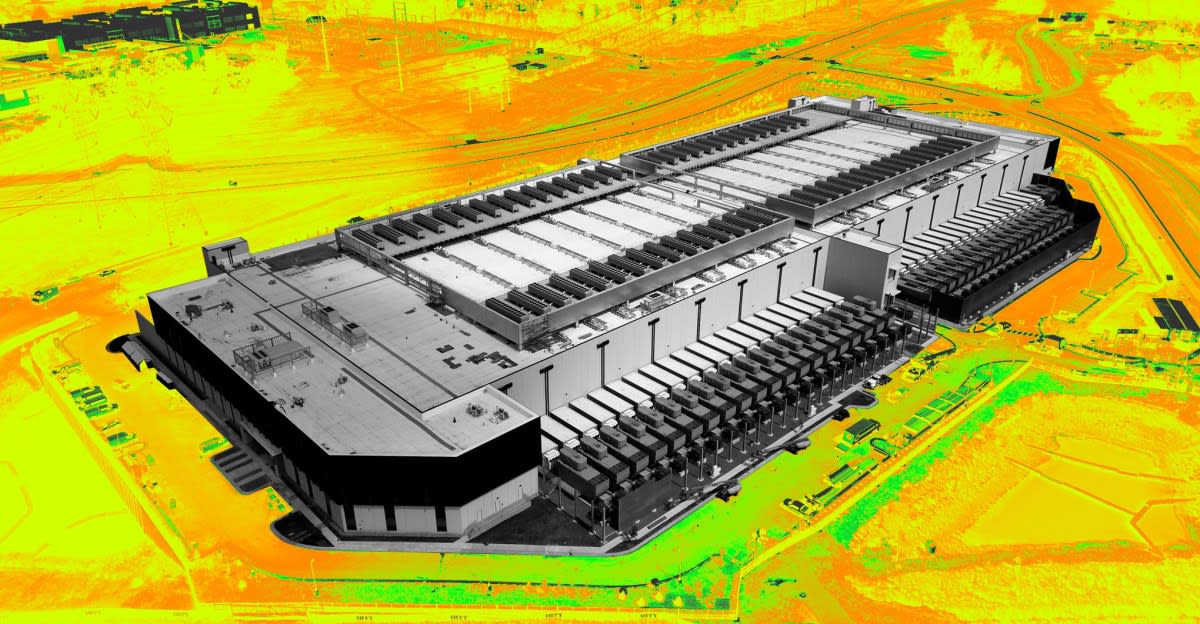
The rapid expansion of data centers in Texas to support generative AI is threatening to reverse decades of progress in air quality. The reliance on gas-powered energy to meet this massive electricity demand poses significant environmental risks.
The Environmental Cost of the AI Boom
The rapid proliferation of generative artificial intelligence has brought the physical infrastructure of the digital age into sharp focus. Texas has emerged as the primary hub for this expansion, acting as ground zero for the massive data centers required to process complex AI models. However, this growth comes at a steep environmental price, as the sheer scale of electricity needed to power these facilities threatens to undo decades of air quality improvements.
A Return to 2000s-Era Pollution
For years, Texas and other regions have worked to curb industrial emissions, achieving significant gains in air quality since the early 2000s. The current data center surge risks erasing these accomplishments. Because these facilities operate around the clock and require constant, high-capacity power, they place an unprecedented burden on the local electricity grid, potentially forcing a reliance on legacy energy sources that are far from clean.
The Dilemma of Energy Sourcing
At the heart of the crisis is the method by which developers and utilities choose to meet the insatiable demand for power. While there is a potential path toward utilizing renewable energy, current trends suggest a more concerning reliance on gas turbines. If the industry prioritizes speed and cost-efficiency over sustainability, the transition to AI-driven infrastructure could lead to a massive spike in localized air pollution.
Infrastructure and Grid Strain
Tech companies are currently experimenting with building their own decentralized power sources to bypass grid limitations. While this demonstrates an acknowledgment of the energy crunch, it also creates a fragmented energy landscape where accountability for emissions becomes harder to track. The decision to plug into existing grids versus developing independent, carbon-heavy power plants is a critical pivot point for regional environmental health.
Future Trends and Policy Implications
Looking ahead, the tension between technological advancement and environmental regulation will likely intensify. If planned data center projects continue to move forward without strict mandates for clean energy integration, the grid in Texas may struggle to reconcile its economic growth with its climate goals. Future developments will depend heavily on whether regulators can enforce cleaner standards before the current proposed projects are fully operational.
Conclusion: The Sustainability Challenge
The rise of generative AI is undeniably transformative, yet it forces a difficult confrontation with the physical realities of energy production. As Texas faces a potential regression in air quality, the tech industry must decide if it will lead the charge toward sustainable infrastructure or allow the environmental gains of the last twenty years to be sacrificed at the altar of computational power.