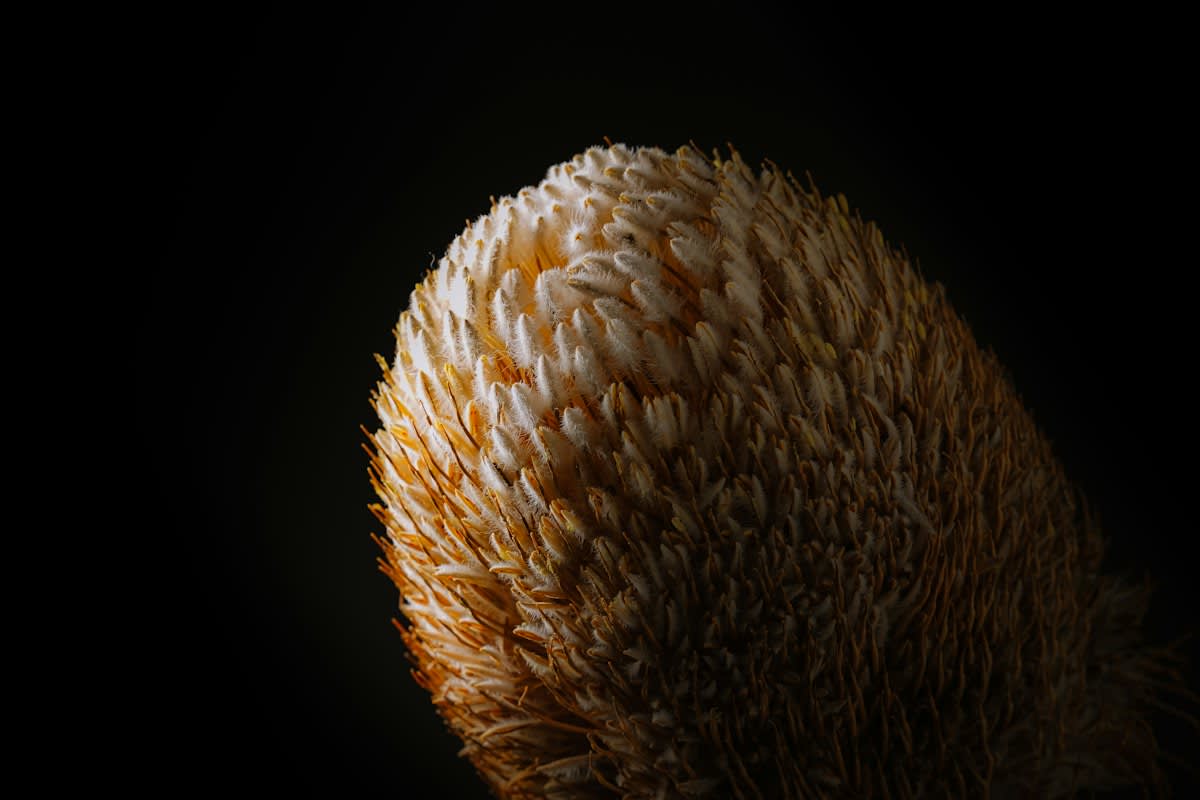
Mycelium grows bio-fabrics. 60% of these materials utilize agricultural waste as a primary nutrient source (Source: MycoWorks, 2022). These fungal networks consist of hyphae, which are microscopic filaments that branch out to consume organic matter. As the hyphae expand, they weave a dense, three-dimensional matrix. This matrix provides the structural integrity needed for textile applications. Designers can manipulate the growth by altering the density of the substrate, allowing for a range of thicknesses from thin veils to heavy leathers.
Prerequisites for Bio-Fabrication
Before starting, a designer needs a controlled environment. 100% humidity is often necessary during the initial colonization phase (Source: Bolt Threads, 2021). This ensures the hyphae do not dry out before they establish a strong network. A sterile workspace prevents the introduction of competing molds. Precise temperature control is also mandatory to keep the fungus in a vegetative state and prevent premature fruiting.
- Sterilized substrate (sawdust, hemp hurdles, or corn stalks)
- Ganoderma lucidum or Pleurotus ostreatus spore culture
- Autoclave or high-pressure steam sterilizer
- Climate-controlled incubation chamber
- Non-toxic tanning agents (vegetable tannins or alum)
The Growth Protocol
- Sterilize the substrate at 121 degrees Celsius for 60 minutes to remove competing microbes.
- Inoculate the cooled substrate with fungal spores in a sterile laminar flow hood.
- Incubate the mixture in total darkness at 25 degrees Celsius (Source: MycoWorks, 2022).
- Compress the growing mycelium into a flat mold to encourage dense horizontal growth.
- Harvest the mat and apply a tanning solution to arrest growth and stabilize the proteins.
Sterilization represents the most volatile stage of the process. Any residual bacteria can outcompete the fungus, leading to total batch failure. Using sawdust sourced from small workshops in Kibera provides a sustainable nutrient base, but it requires rigorous steaming to ensure purity. The goal is to create a biological vacuum where only the chosen strain can thrive. Once the substrate is clean, the inoculation introduces the genetic engine of the fabric.

Incubation requires a strict balance of gas exchange and moisture. If oxygen levels drop too low, the mycelium stops expanding. If the temperature exceeds 30 degrees Celsius, the fungus may enter a stress state, producing irregular knots rather than smooth sheets. Maintaining a steady 25 degrees Celsius ensures a uniform density (Source: MycoWorks, 2022). This phase lasts typically between 7 and 14 days depending on the nutrient density of the substrate.
Compression alters the physical properties of the final material. By applying light pressure to the top of the growth mat, designers force the hyphae to weave more tightly. This increases the tensile strength of the resulting silk. Without compression, the material remains fluffy and sponge-like. With it, the fabric gains a leather-like resilience that can be stitched or dyed.
"The ability to grow a material to a specific shape removes the need for cutting and waste, fundamentally altering how we think about garment construction."— Eben Bayer, Co-founder of Bolt Threads
Tanning is the final step that converts a living organism into a stable textile. Traditional leather tanning uses chromium, but fungal silk requires organic alternatives. Vegetable tannins react with the chitin in the fungal cell walls to create a durable, water-resistant surface. The final texture is silica-dry and smooth to the touch. This process prevents the material from decomposing when exposed to moisture.
Working in a mycelium lab feels like managing a temperamental pet. Designers argue over the exact balance of nitrogen in the substrate. Some insist on using hardwood sawdust, while others prefer wheat straw. The friction usually happens during the drying phase. If the heat is too high, the material shrinks. If it is too low, the fungus continues to grow in the warehouse, creating unwanted spores.
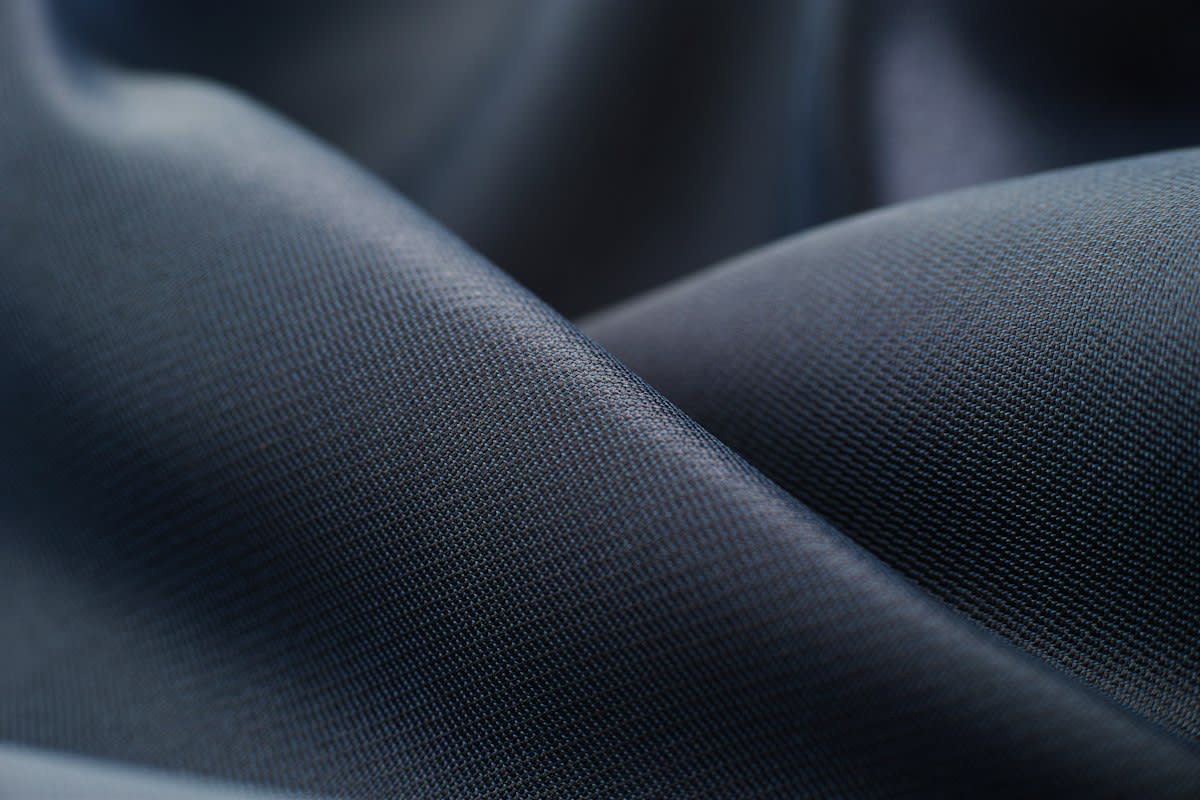
| Metric | Fungal Silk | Bovine Leather | Polyester |
|---|---|---|---|
| Water Use | Low | Extreme | Moderate |
| Growth Time | 14 Days | 3 Years | Instant |
| Carbon Footprint | Negative | High | High |
| Biodegradability | 100% | Low | 0% |
Water Consumption Reduction
Executive Insight
+18.4%
YTD Growth
Failure Points and Risks
Contamination remains the primary enemy of the bio-fabricator. Trichoderma harzianum, a green mold, can wipe out an entire batch in hours. This happens when sterilization fails or the laminar flow hood is improperly calibrated. A single airborne spore can ruin weeks of growth. When Trichoderma takes over, it consumes the nutrients faster than the mycelium, leaving behind a slimy, unusable mass.
Another common failure is the occurrence of premature fruiting. If the fungus detects a drop in CO2 levels, it may attempt to produce mushrooms. This diverts energy away from the hyphal mat and creates holes in the fabric. To prevent this, designers must maintain high carbon dioxide levels within the growth chamber. This keeps the organism in its vegetative state, ensuring a solid, continuous sheet of material.
Editorial Note
Ensure that all tools are wiped with 70% isopropyl alcohol between every use to prevent cross-contamination of fungal strains.
Fact-Check & Accuracy Note
This guide relies on industry data from MycoWorks and Bolt Threads (2021-2023). Results may vary based on the specific fungal strain and substrate composition used.