The Art of Dithering and Retro Shading for the Web
Source Entity
Hacker News
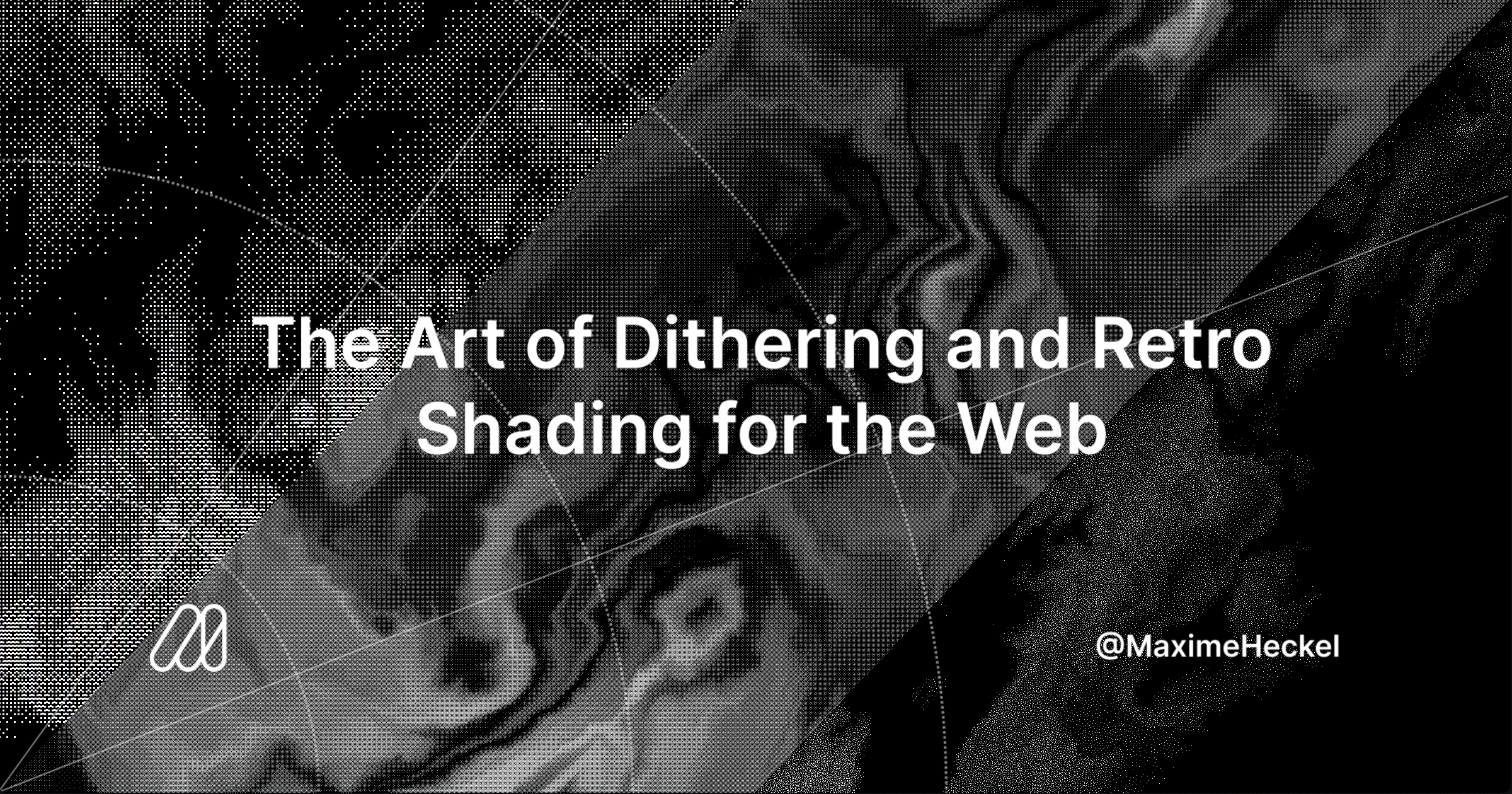
A developer shares insights into enhancing web-based 3D visuals using custom post-processing techniques. By implementing retro-inspired dithering and shading, the author successfully bridges the gap between technical WebGL implementation and aesthetic quality.
The Evolution of Web-Based 3D Aesthetics
In the rapidly evolving landscape of web development, the integration of 3D graphics—powered by frameworks like React Three Fiber—has become a hallmark of sophisticated personal branding. However, as the developer notes, technical proficiency in WebGL is only half the battle. The true challenge lies in the visual output, where raw rendered geometry often lacks the artistic depth required to make a scene feel cohesive and professional.
The Critical Role of Post-Processing
Post-processing serves as the bridge between functional code and polished art. By applying layers of effects after the initial render, developers can manipulate the final image buffer to achieve specific visual goals. The developer’s realization that post-processing was the missing link in their past projects highlights a common hurdle in the WebGL community: the assumption that geometry and lighting alone define the quality of a scene. In reality, it is the deliberate application of bloom, color grading, and custom shaders that brings a vision to life.
Mastering Retro Shading and Dithering
At the heart of this technical journey is the implementation of "retro" effects, specifically dithering. Dithering is a classic computer graphics technique used to create the illusion of color depth in images with a limited color palette. By strategically arranging pixels in patterns, developers can simulate gradients and shading that would otherwise be impossible on restricted hardware. Reintroducing these techniques into modern web environments provides a unique stylistic flair that evokes nostalgia while maintaining high-performance standards.
Bridging Technical Skill and Creative Vision
By building custom post-processing pipelines from the ground up, the developer has gained a deeper understanding of the rendering pipeline. This experimental approach allows for a level of artistic control that off-the-shelf solutions often fail to provide. By iterating on custom shaders, the author is not just writing code; they are crafting a specific visual language that distinguishes their portfolio from generic 3D implementations.
Future Trends in WebGL Development
Looking forward, as web browsers continue to optimize their handling of complex graphics, the trend toward highly stylized, low-fidelity aesthetic choices is likely to persist. Techniques like dithering and retro-shading allow developers to create lightweight yet visually striking experiences. This shift indicates a maturity in web design where developers are moving away from photorealism and toward intentional, artistic expression that honors the history of digital art while leveraging the power of modern web technologies.