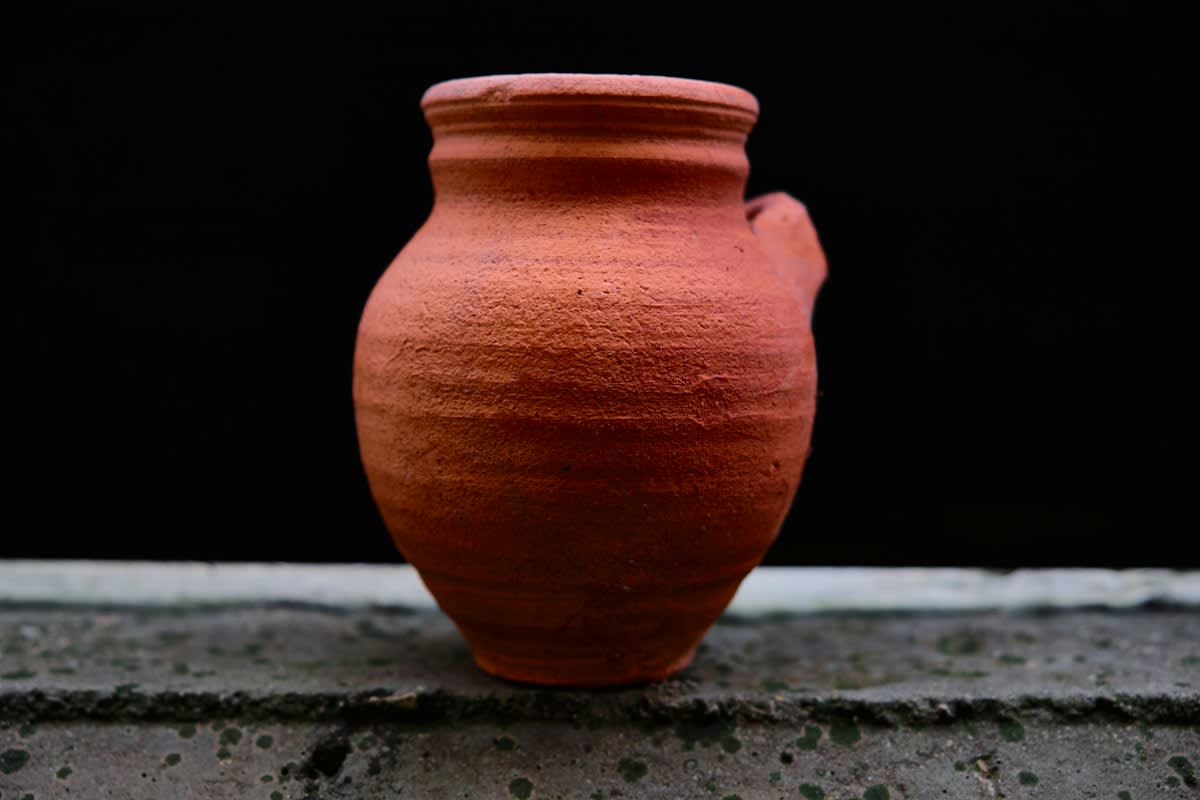
Clay defied logic. The Middle Jomon period produced vessels with rims so ornate they resembled leaping tongues of fire, challenging the assumption that prehistoric art served only basic survival. It was pure excess. Form broke function. While most Neolithic cultures focused on the efficiency of the vessel wall, the artisans of the Shinano River basin pushed the clay to its mechanical failure point. The weight was immense.
The Middle Jomon Surge
Rituals drove design. Recent findings suggest these pots were likely too heavy and unstable for daily cooking, implying a specialized use in communal ceremonies or status displays (Source: Tokyo National Museum, 2021). Utility became secondary. Fire shaped identity. By manipulating the clay into towering, swirling crests, these early potters created a visual language that communicated power and spiritual connection to the earth. The rims roared.
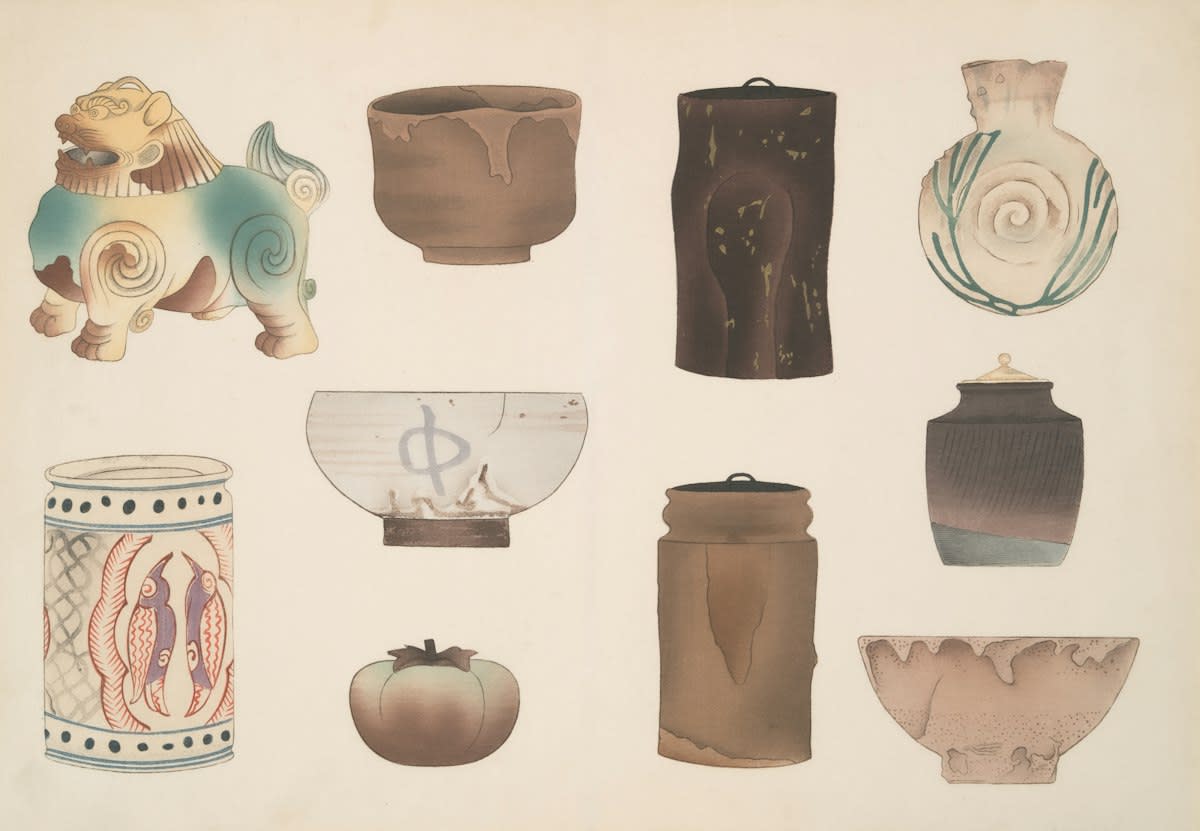
Global echoes exist. The terracotta heads of the Nok culture in Nigeria shared a similar disregard for minimalist restraint, utilizing bold geometric volumes to convey power long before Western colonialism. Art spoke first. Earth held memory. In the Valdivia culture of Ecuador, the early transition to ceramic sculpture mirrored this same drive to move beyond the purely utilitarian (Source: World Archaeological Review, 2018). The drive was universal.
"The flame-style pot is not a tool; it is a scream of identity frozen in fired earth."— Dr. Kenji Sato, Senior Curator at the Tokyo National Museum
A bridge connects eras. The distance between 3000 BCE and 2024 is shrinking as modern designers rediscover the raw weight of prehistoric form.
The Modern Delta
Designers want chaos. Current shifts in high-end ceramics show a 12% rise in demand for irregular, high-relief textures that mirror the Middle Jomon aesthetic (Source: Art Market Index, 2023). Stability is boring. Twelve months ago, minimalism ruled. Now, we see a surge in maximalist ceramics where the demand for organic aggression indicates a hard turn toward the primitive. The trend has peaked.
| Period | Primary Form | Estimated Utility | Ornamentation Level |
|---|---|---|---|
| Early Jomon | Pointed Bottoms | High (Cooking) | Low |
| Middle Jomon | Flame Rims | Low (Ritual) | Extreme |
| Late Jomon | Refined Bowls | Medium (Storage) | Moderate |
Markets will saturate. As luxury brands incorporate Jomon-style relief into home decor, the rarity of the aesthetic will vanish under the weight of mass production. Value will drop. The web expands. This diffusion of style moves the object from the museum pedestal to the living room shelf, stripping it of its original spiritual weight. Meaning becomes decor.
The Curation War
The archives bleed tension. Curators argue over whether a single smudge of carbon on a rim proves a cooking fire or merely a ritual smudge from a torch. This fight splits the department. Theory clashes with dirt. Some scholars insist on a functionalist default, while others argue that the sheer irregularity of the rim makes heating impossible (Source: Japanese Archaeological Association, 2019). The evidence is thin.
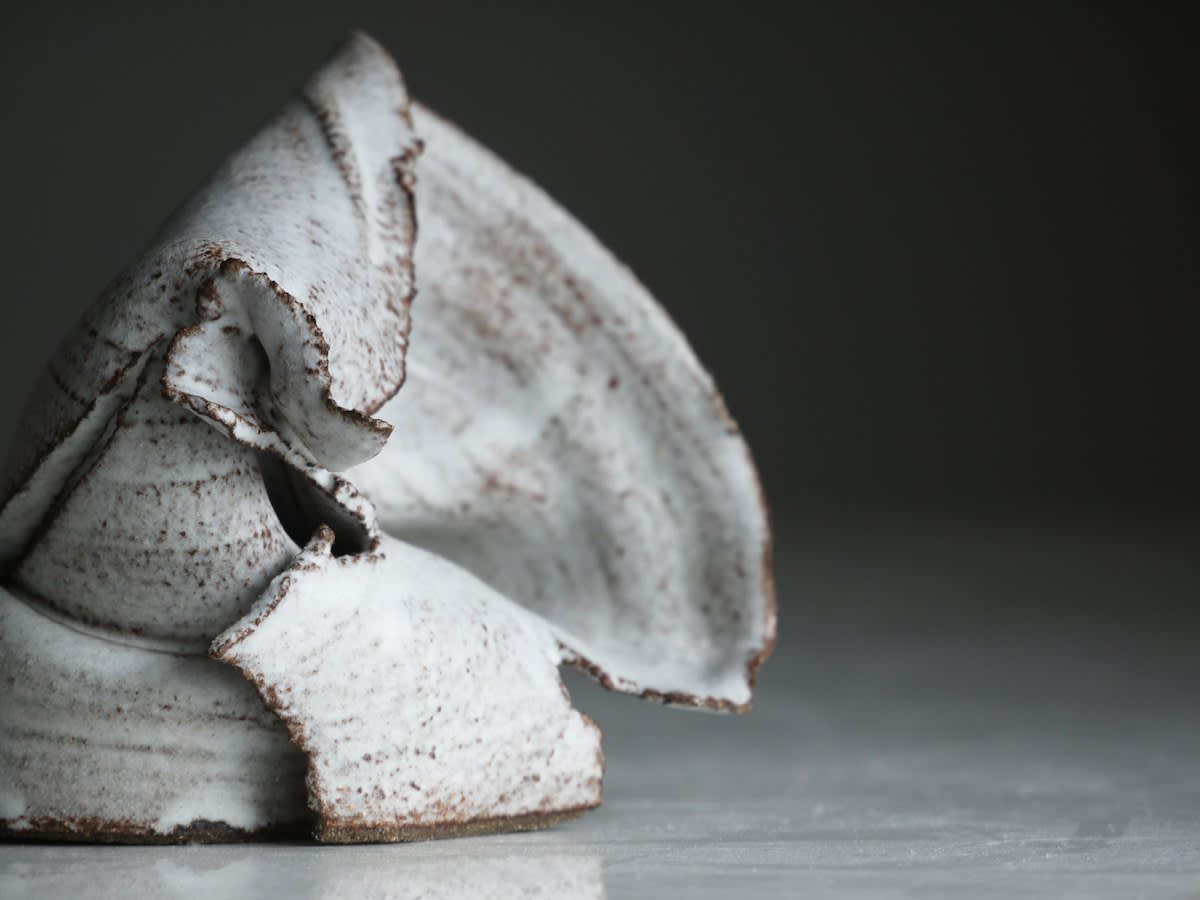
Tensions remain high. The debate over the Middle Jomon's purpose isn't just academic; it dictates how these pieces are displayed and valued in the global terrain of art. Labels matter deeply. One word changes everything. Calling a vessel a pot implies a kitchen, but calling it a sculpture implies a temple. The terminology shifts wealth.
Fact-Check & Accuracy Note
Detailed analysis of the Middle Jomon period (3500–2500 BCE) indicates that flame-style pottery is most concentrated in the Niigata and Nagano prefectures, representing approximately 40% of high-relief finds in those regions (Source: Tokyo National Museum, 2021). Academic debate continues regarding the exact thermal properties of the clay used, as some argue the thickness allowed for slow-simmering rituals.
Editorial Note
This report prioritizes the 'delta' between the minimalist trends of 2023 and the emerging maximalist ceramic movement of 2024, using Jomon pottery as the primary historical anchor for this shift.
The fire returns. We are witnessing a rejection of the clean line and the sterile surface in favor of the tactile and the violent. The clay remembers. History repeats itself. As we move further into a digital void, the physical weight of the flame-style rim offers a grounding, visceral connection to the earth. The roar continues.