Diljit Dosanjh says attempts were made to stop his Indore concert but he did not back out: ‘Nobody can stop us from coming here’
Source Entity
Latest News: Todays Latest News Headlines from India & World | Hindustan Times
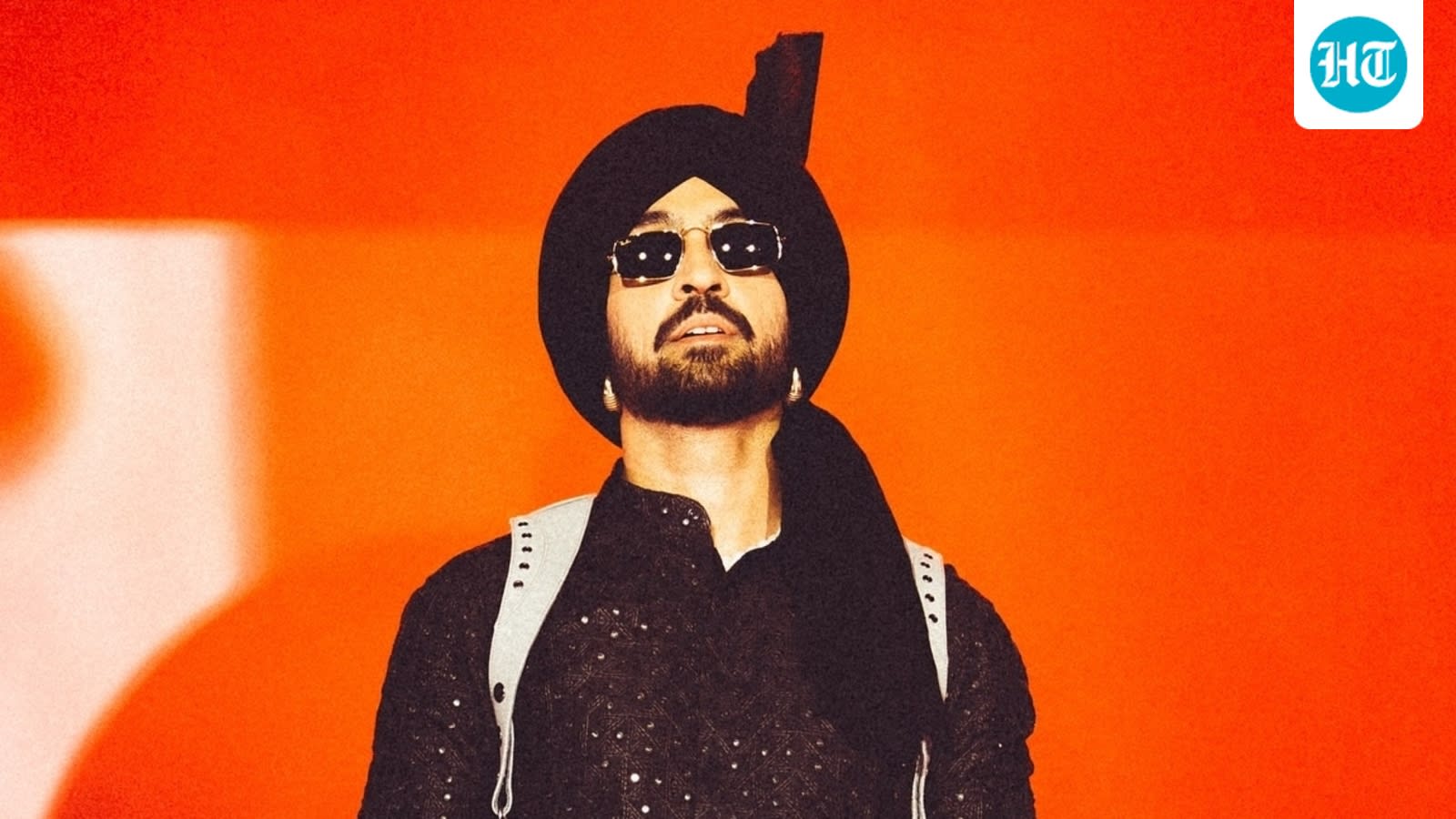
Diljit Dosanjh successfully performed his Indore concert despite receiving bomb threats and facing official restrictions on his song lyrics. The singer defied opposition by quoting late poet Rahat Indori, asserting his commitment to his fans and cultural expression.
Defiance and Artistry: Diljit Dosanjh's Indore Showdown
Overcoming Hurdles to Performance
Diljit Dosanjh’s recent concert in Indore, marking the commencement of his Aura India Tour 2026, became a focal point of cultural and political discourse. Despite facing significant obstacles—including explicit bomb threats that were later classified as hoaxes by authorities—the artist remained steadfast. His decision to proceed with the event at the Delight Dastoor ground served as a powerful testament to his professional dedication and his bond with his audience.
The Weight of Regulatory Restrictions
Beyond physical safety concerns, the concert faced administrative challenges. The District Child Protection Officer had issued a notice restricting the performance of four specific songs, citing concerns over lyrical content and its potential impact on children. This form of regulatory oversight highlights the ongoing tension between artistic expression and regional sensibilities in India, setting a complex stage for a performer whose catalog often navigates the intersection of traditional Punjabi culture and modern pop themes.
A Cultural Statement Through Poetry
In a moment that resonated deeply with his audience, Dosanjh recited a famous couplet by the late Urdu poet Rahat Indori: “Kisi ke baap ka Hindostan thodi hai” (India does not belong to anyone’s father). By invoking these words, Dosanjh framed his resistance not merely as a personal struggle, but as a broader defense of artistic freedom. The choice of an Indori ghazal in the poet's own home city of Indore added a layer of historical and regional poignancy to the performance.
The Dynamics of Public Interaction
Dosanjh’s stage presence during the event was marked by a blend of defiance and inclusivity. By opening his set with the chant ‘Jai Shri Mahakal’, he sought to bridge the cultural gap between his Punjabi heritage and the local audience, while simultaneously pushing back against those who attempted to censor his setlist. His vocal frustration regarding the restrictions—stating, “You can’t sing this, you can’t do that”—reflects a growing trend where artists are increasingly vocal about the pressures of self-censorship and external political scrutiny.
Future Implications for Touring
This incident underscores the precarious nature of large-scale cultural events in a polarized climate. As Dosanjh continues his Aura India Tour 2026, the Indore concert serves as a case study in how artists might navigate administrative bans and security threats. His success in Indore suggests that fan loyalty remains a powerful protective factor, yet it also signals that future tours may face increased scrutiny regarding lyrical content, necessitating a delicate balance between creative integrity and regional compliance.
Verification Required?