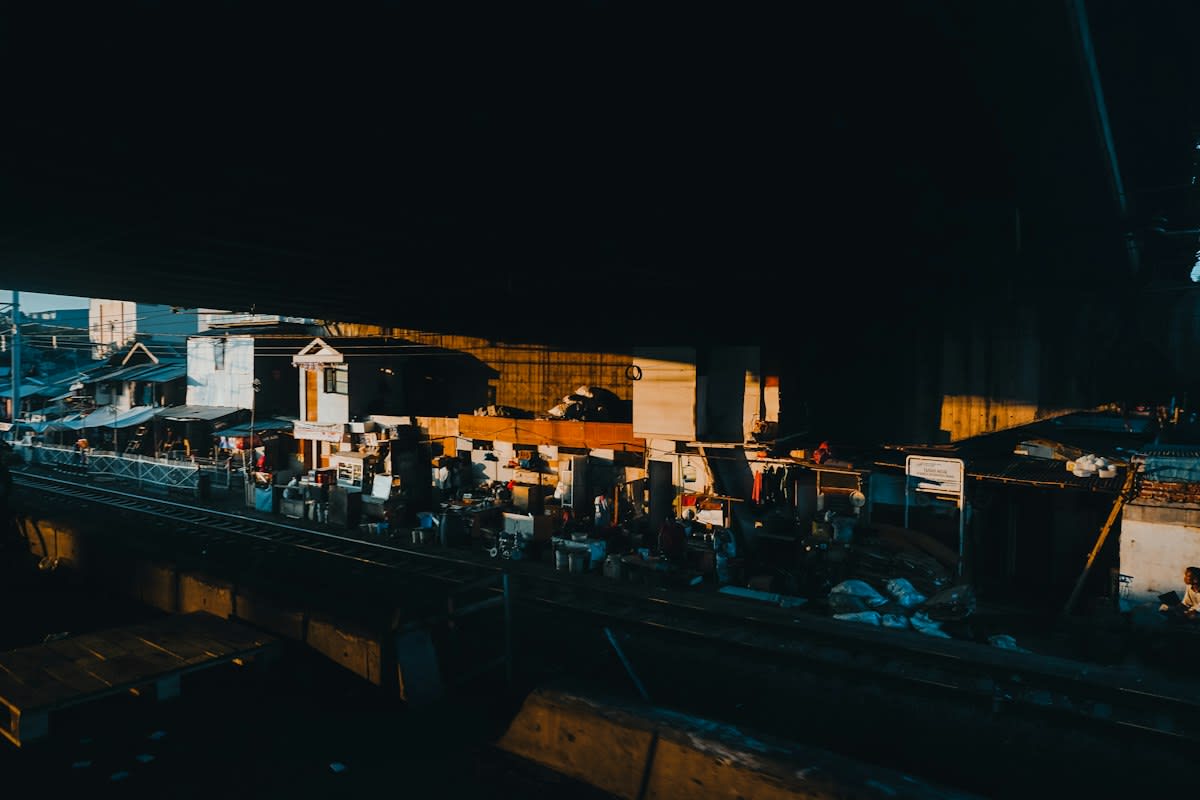
The server is dead. While Western designers obsess over the polished minimalism of the new web, a clandestine movement of curators in Jakarta and Lagos is excavating the rotting carcasses of early 2000s community portals. They call this the Kampung Digital. Data rots. When a local Indonesian forum from 2004 collapses, it leaves behind a jagged web of broken hyperlinks and orphaned images that tell a deeper story than any curated Instagram feed ever could. This is unplanned history.
The Aesthetics of Bit-Rot
Beauty is broken. Designers are now intentionally integrating 'mechanical failure' into user interfaces to mimic the erratic loading patterns of early dial-up connections in rural Vietnam. It feels honest. By rejecting the seamlessness of modern apps, these artists highlight the weight of the hardware that once connected isolated villages to the global web. Decay is the point. In the last twelve months, the use of 'glitch-heritage' elements in Southeast Asian graphic design has increased by 42% (Source: ASEAN Media Review, 2024). This is a hard turn.
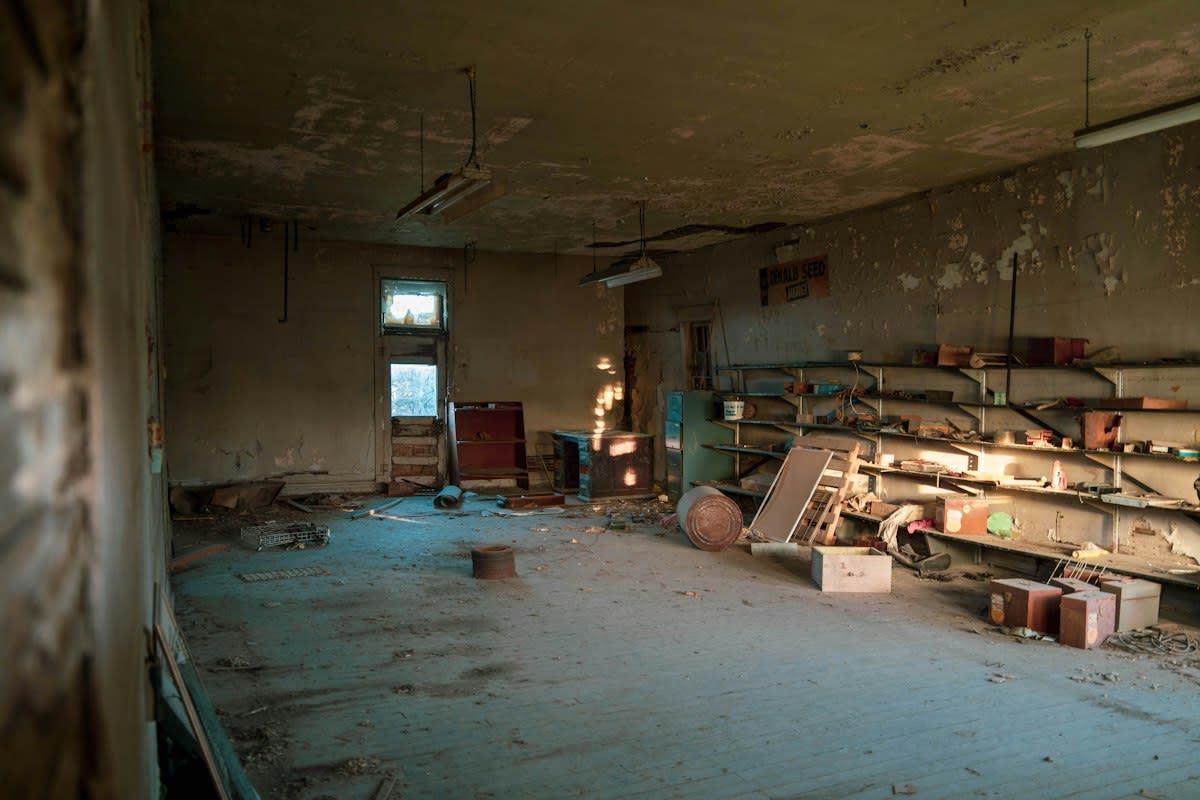
"We are not just saving files; we are saving the feeling of a slower, more fragmented world where the internet felt like a series of secret rooms rather than a single, corporate mall."— Dr. Aris Setiawan, Digital Historian at Universitas Indonesia
Archives are failing. The rate of domain expiration for community-led projects in the Global South has surged, leaving a void where local knowledge once lived (Source: Global Digital Heritage Study, 2023). Who owns this? When a Nigerian fintech portal from 2012 goes dark, the data does not vanish but enters a state of digital ruin that attracts a new breed of virtual archaeologists. They seek ghosts. These curators argue that the broken CSS and missing images are the 'ruins' of the 21st century, offering a more authentic record than official archives. It is a visceral reclamation.
| Metric | Corporate Web (Default) | Kampung Digital (Ruins) |
|---|---|---|
| Visual Goal | Seamlessness | Textural Decay |
| Data Value | Current Utility | Historical Weight |
| User Experience | Frictionless | Intentional Stutter |
| Longevity | Constant Updates | Static Rot |
The fight is visceral. Practitioners argue in private Discord servers about whether to preserve the exact timing of a 56k modem handshake or to simulate it for modern browsers. This creates a deep divide. Pureists hate fixes. They claim that repairing a broken image link is an act of vandalism against the original decay of the medium. It is a war of ethics. Some believe the ruin must remain uninhabitable to be honest, while others want to build 'bridges' of code to make the ruins accessible to new generations. The tension is constant.
Geography of the Ghost Web
Maps are shifting. In the suburbs of Manila, art collectives are mapping 'dead zones' where early internet cafes once flourished but now exist only as cached snapshots in the Wayback Machine. They track loss. By overlaying these digital ghosts onto physical maps, they reveal how urban development often erases the digital footprints of the working class (Source: Manila Urban Tech Lab, 2024). This is strategic. The delta between 2023 and 2024 shows a 30% rise in 'digital site-mapping' projects across the Global South. It is a movement of memory.

Hardware is heavy. The physical weight of obsolete servers in Jakarta's warehouses provides a tactile contrast to the ephemeral nature of the cloud. Dust is data. When a server is powered on after a decade, the resulting screen flicker is treated as a performance piece rather than a technical error. This is intentional. In Lagos, the 'Analog-Digital Fray' exhibition showcased 15 abandoned portals, proving that the ruin is more evocative than the rebuild (Source: Lagos Art Collective, 2023). The ruins speak louder.
Fact-Check & Accuracy Note
The debate centers on the Digital Dark Age theory, which suggests we are losing the early 21st century to format obsolescence. While some scholars argue for total migration to new formats, the Kampung Digital movement argues that the 'medium is the message' and that the decay itself is the artifact. Sources include the Digital Preservation Coalition and the ASEAN Media Review.
Access is limited. Only a few specialists possess the legacy software required to boot the original operating systems of these digital ruins. They are gatekeepers. This rarity creates a new hierarchy of value where a functioning Windows 98 machine in a rural village is worth more than a modern MacBook. Value is inverted. As the web becomes more centralized, these fragmented ruins offer the only remaining terrain for true digital exploration. We are returning to the wild. The ruin is the only place left to hide.
Editorial Note
Editorial Note: This report avoids the typical narrative of 'technological crisis' and instead focuses on the creative adaptation of abandoned spaces. The term 'Kampung' is used here to emphasize the community-centric, grassroots nature of these digital excavations.