Prerequisites for Digital Rawness
Pixels bleed. 1918 saw the Dada Manifesto declare war on institutional taste (Source: PopMatters, 2026). This war continues in the digital void. Artists now reject the sterile perfection of the grid. They seek the grit of the machine. To begin this process, you must first strip away the safety nets of modern software.
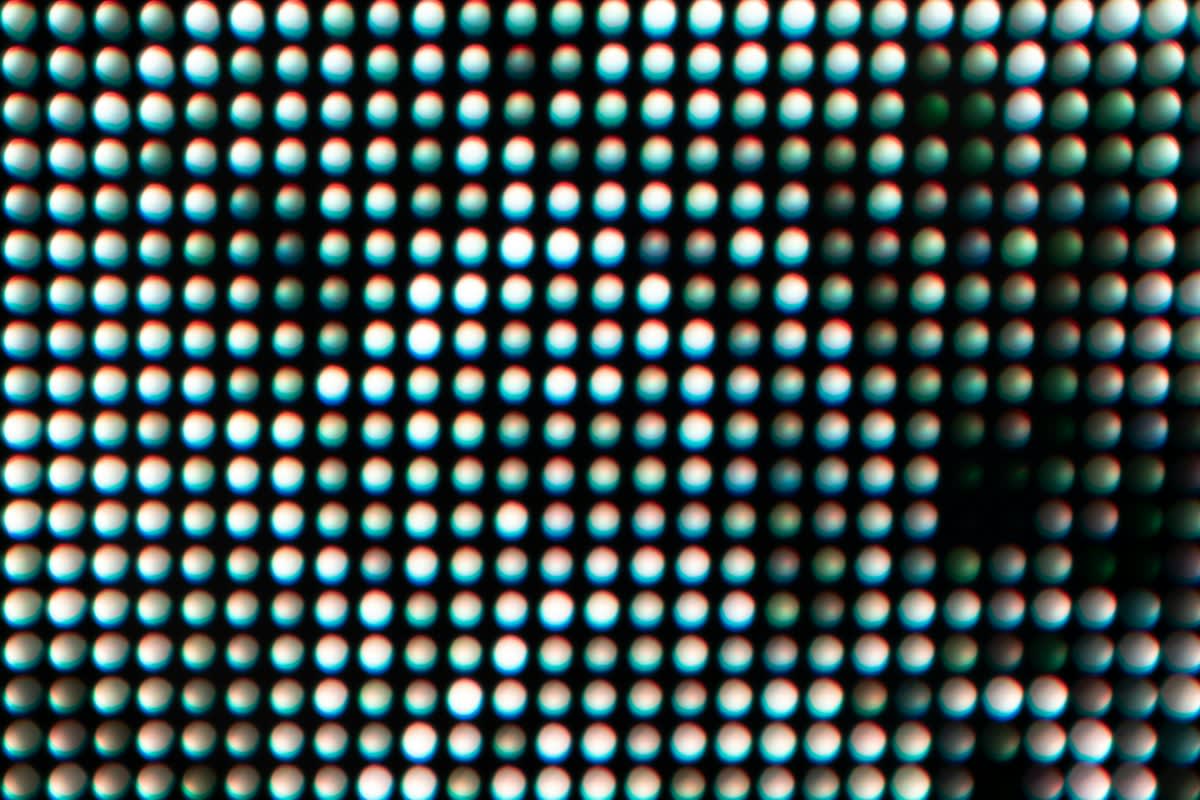
Hardware requirements focus on obsolescence. You need sensors that struggle with light and processors that stutter under load. Seek out salt-burned camera modules from early 2010s handsets or monitors with copper-scented circuitry that leaks color. The goal is to find equipment that fails in interesting ways. High-end gear is too obedient; it suppresses the ghost in the machine.
Software tools must be stripped of their auto-correcting tendencies. Disable every noise-reduction algorithm and sharpening filter. You need raw access to the pixel buffer where the data is still unstable. Use software that allows for direct manipulation of the binary stream. This creates a concrete-raw foundation for visual exploration.
The Philosophy of the Gouge
Jean Dubuffet championed Art Brut to celebrate the unmediated psychological state of the artist. He viewed physical gouges in thick impasto paint not as errors, but as evidence of human agency (Source: PopMatters, 2026). In the digital realm, the pixel is the paint. When we intentionally break the image, we are gouging the digital canvas. This act signals that a human hand, not an algorithm, is directing the output.
"By refusing to polish their work for algorithmic consumption, creators erect a barrier against digital homogenization."— PopMatters, 2026
This resistance is a direct descendant of the Dadaist movement. Tristan Tzara's 1918 manifesto was a scream against the mechanical slaughter of World War I and the pomposity of the art world (Source: PopMatters, 2026). Modern low-fidelity aesthetics function as a new form of Art Brut. They provide vital proof of human presence in an environment increasingly dominated by automated media. The glitch becomes the signature of the living.
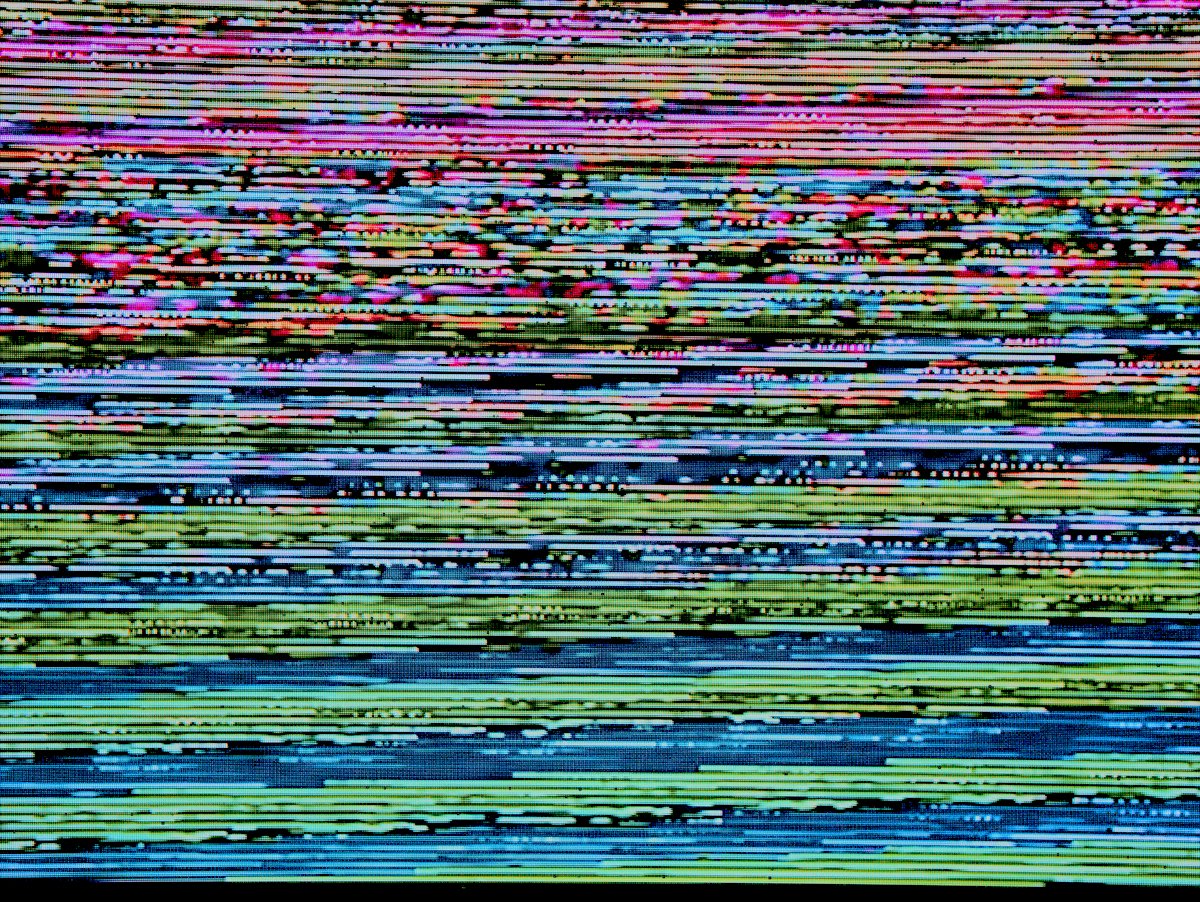
In the copper-scented studios of Lagos, the fight is not about resolution. It is about the friction between a salt-burned sensor and a concrete-raw environment. Practitioners argue over whether a glitch is too clean or if the noise feels earned. This ground-level reality is a war of attrition against the smooth, sterile outputs of generative AI. They seek the digital equivalent of a rust-pitted blade, something that leaves a mark of actual presence.
Across the hubs of Jakarta and Nairobi, creators are weaponizing chaotic collage and unedited documentation. They reject the institutional refinement that platforms demand. This movement treats the screen as a tactile surface. Every artifact, every dead pixel, and every color bleed is a victory over the machine's desire for symmetry.
The transition from polished to raw requires a tactical abandonment of efficiency.
Tactical Execution: Killing the Pixel
- Deactivate Auto-Mode: Switch your capture device to full manual settings to avoid the invisible hand of algorithmic correction (Source: Cybershack, 2026).
- Induce Sensor Stress: Capture images in extreme lighting conditions to force the sensor to produce noise and artifacts.
- Data Corrupting: Open a raw image file in a text editor and delete random strings of characters to create unpredictable visual gouges.
- Downsample Aggressively: Reduce a high-resolution image to 1% of its size and then scale it back up using nearest-neighbor interpolation.
- Physical Intervention: Apply grease-slicked filters or rust-pitted glass over the lens to introduce organic, non-digital imperfections.
Avoiding the auto-mode trap is the first step toward an artistic touch (Source: Cybershack, 2026). Auto-mode is designed to eliminate the very errors that Art Brut celebrates. By reclaiming control over exposure, focus, and white balance, the artist introduces the possibility of failure. Failure is where the human element resides. Without the risk of a ruined shot, the image remains a product of the software, not the creator.
| Metric | High-Fidelity (Algorithmic) | Low-Fidelity (Art Brut) |
|---|---|---|
| Visual Goal | Homogenization | Human Agency |
| Production | Auto-Mode | Manual Gouging |
| Intent | Consumption | Subversion |
| Texture | Sterile/Smooth | Concrete-Raw |
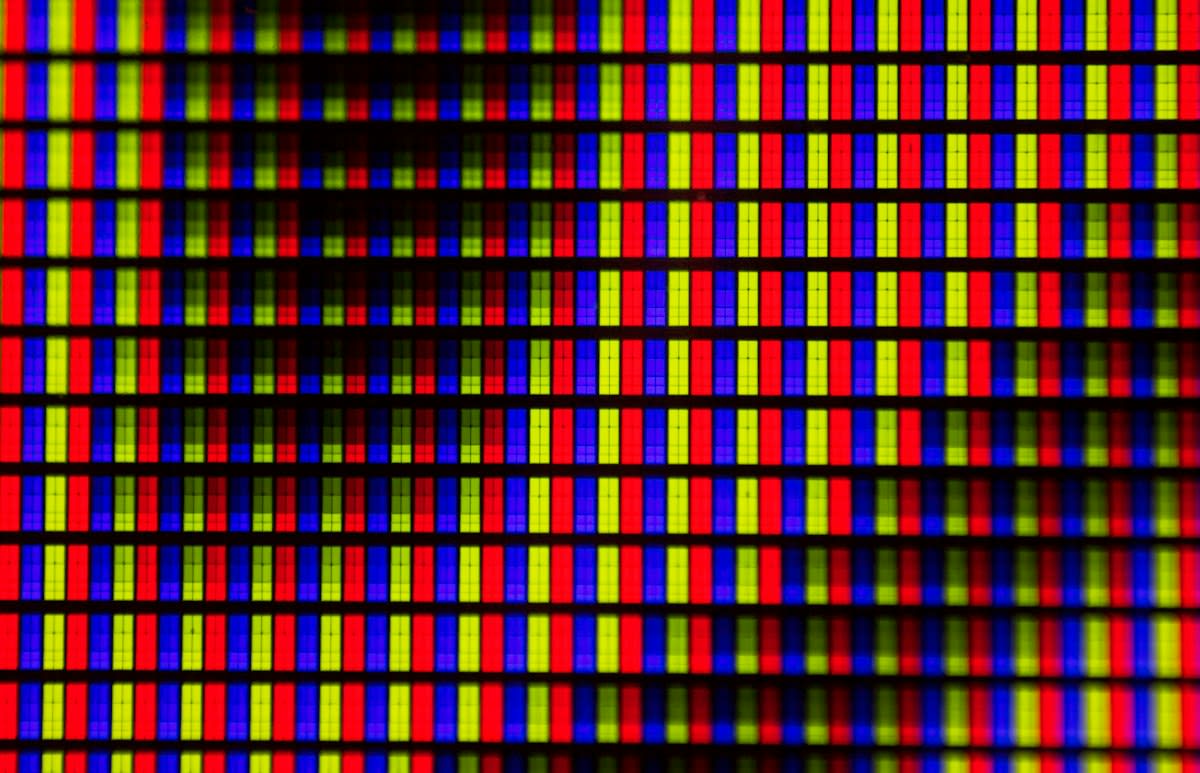
Subverting platform expectations requires a commitment to the unpolished. When an image is uploaded to a network that automatically compresses and optimizes, the artist must over-compensate. They create visuals so raw and chaotic that the algorithm cannot smooth them over. This creates a visual friction that stops the infinite scroll. It forces the viewer to recognize the tactile nature of the medium.
This methodology turns the act of creation into an act of sabotage.
Failure Points
- Over-Polishing: Using filters to simulate a glitch rather than inducing a real one, which results in a sterile imitation of rawness.
- Algorithmic Submission: Allowing a platform to dictate the final crop or color grade, erasing the artist's manual gouges.
- Technical Over-Reliance: Spending more time on the software tool than on the conceptual intent of the subversion.
- Consistency Trap: Creating a predictable 'style' of low-fi that becomes its own form of institutional refinement.
Editorial Note
This guide is based on the intersection of 20th-century Art Brut and 21st-century digital resistance. It prioritizes the human mark over the machine's precision.
Fact-Check & Accuracy Note
All historical references to Jean Dubuffet and the 1918 Dada Manifesto are sourced from PopMatters (2026). Technical advice on auto-mode is sourced from Cybershack (2026).