The Curated Void
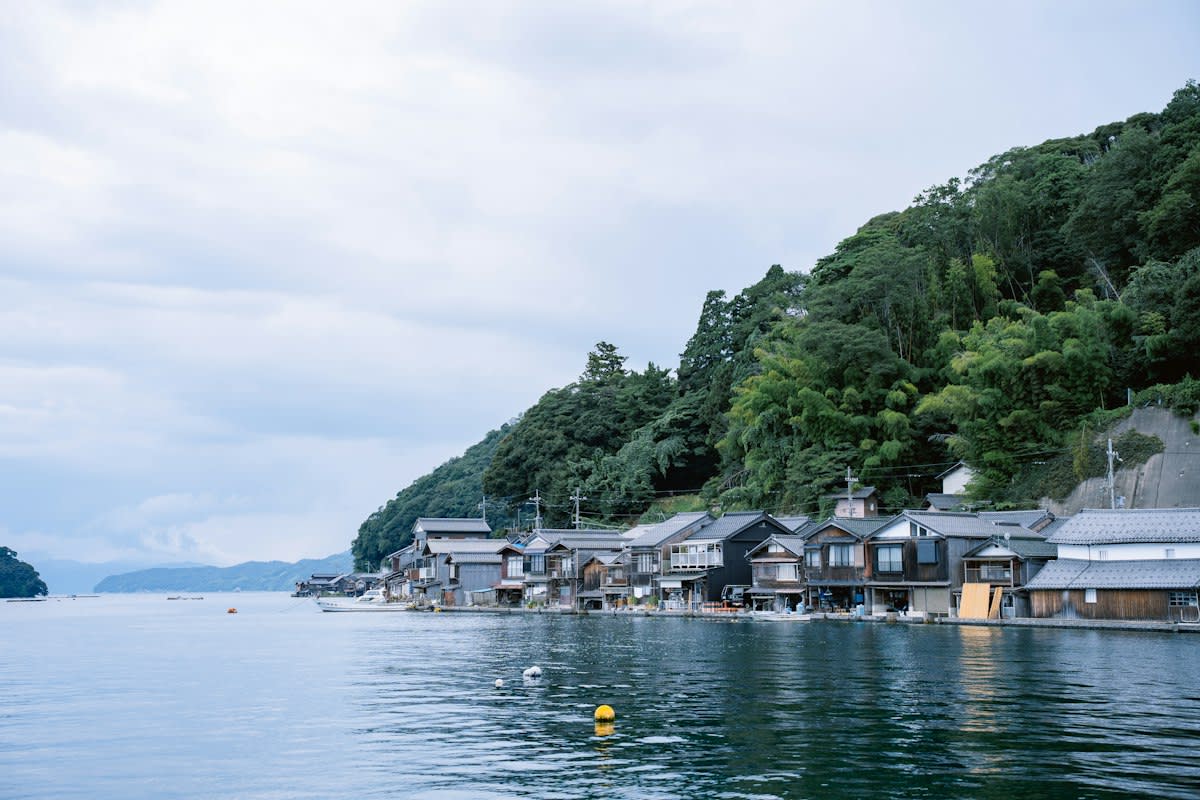
Kyoto demands sonic control. 200 meters of shoreline glow blue (Source: Leaf Kyoto, 2026). The Night Wave project at Suishouhama Beach uses light and sound to create a specific experience. Torii gates receive illumination to alter the beachside view. Food trucks provide meals in lantern-lit areas. This represents a curation of environment where sound and light are used as tools for attraction.
This curated approach treats sound as a feature rather than a baseline. The event uses music to harmonize with waves (Source: Leaf Kyoto, 2026). Such interventions are temporary and focused on the immediate sensory impact. They do not address the structural acoustic conditions of the city. Instead, they create a bubble of managed experience that exists outside the daily urban reality.
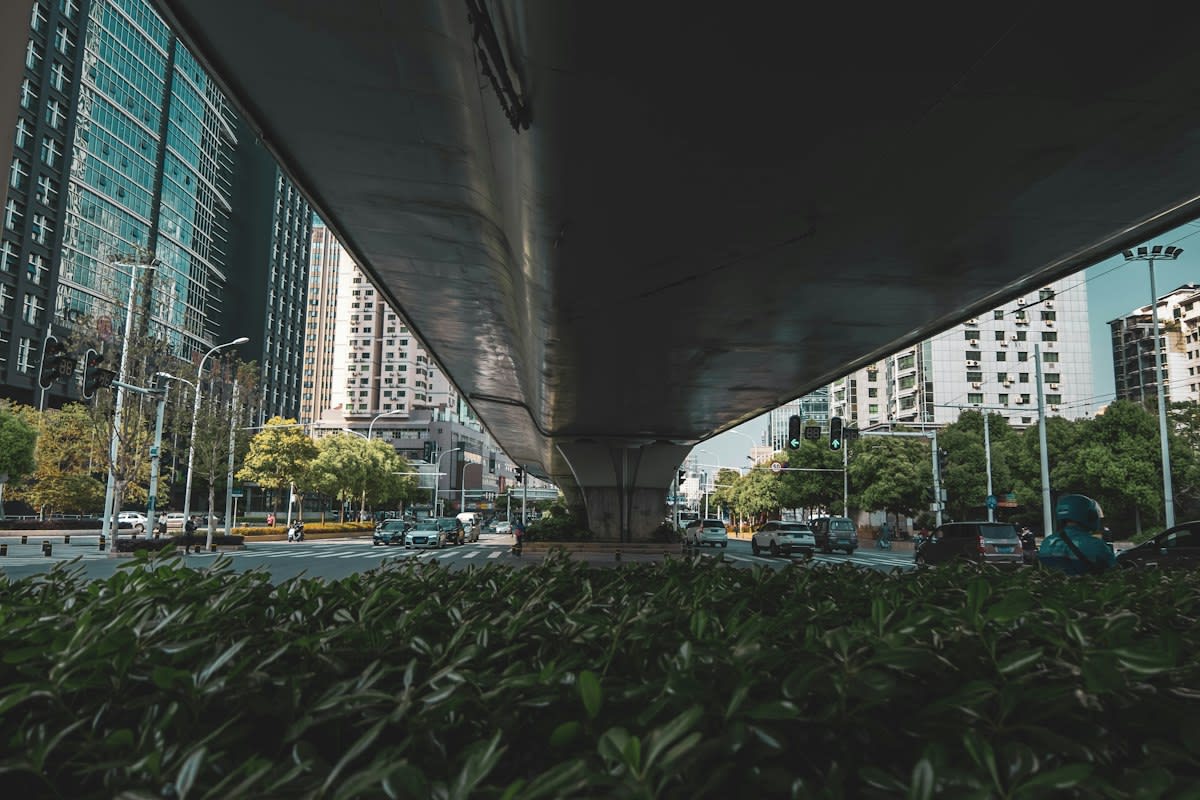
Urban acoustic environments are often treated narrowly as a noise problem (Source: npj Urban Sustainability, 2026). This perspective focuses on noise control and the reduction of decibels. It ignores the semantic and social interpretation of sound. Whether a sound fits a place depends on the activity and the people present. Treating sound solely as a problem to be mitigated is a failure of urban design.
The Zaragoza Model
Zaragoza employs a Technical Guide for the Integration of Noise Management in City Planning (Source: New Polis, 2026). This guide incorporates noise prevention into the planning of residential areas. It utilizes land-use decisions and street layouts to manage sound. Building orientation is used to shield residents from major roads. These decisions occur before construction begins to avoid the cost of later mitigation.
| Metric | Zaragoza Approach | Standard Urban Approach |
|---|---|---|
| Noise Limit | 5 dB stricter than legal | Legal minimum |
| Planning Phase | Pre-construction design | Post-construction mitigation |
| Focus | Residential health | Noise problem solve |
The Zaragoza rule requires new residential areas to meet acoustic quality objectives 5 dB stricter than standard legal requirements (Source: New Polis, 2026). This is not an attempt to eliminate noise but to manage it as a health factor. By addressing the position of buildings relative to roads, the city reduces the need for indoor acoustic protection. This structural approach is more effective than adding sound-absorbing materials after a building is finished.
"soundscape planning should be embedded in multisensory place-making rather than treated as an isolated acoustic intervention"— npj Urban Sustainability, 2026
Practitioners fight over decibels in boardrooms. Designers want mood while engineers want compliance. The friction exists where the aesthetic meets the legal limit. In the field, a 5 dB difference is the gap between a luxury bedroom and a noise complaint. This is where the theory of soundscapes hits the wall of zoning laws.
Semantic Soundscapes and Global Health
Soundscape planning connects to Sustainable Development Goals, specifically SDG 3 and SDG 11 (Source: npj Urban Sustainability, 2026). SDG 3 focuses on good health and well-being. SDG 11 targets sustainable cities and communities. Improving the quality of what people hear in everyday settings is a pathway toward healthier cities. This requires a move away from simple noise control toward a multisensory approach.
A multisensory approach considers acoustic qualities alongside visual composition and vegetation structure (Source: npj Urban Sustainability, 2026). It includes thermal comfort and olfactory elements. Vegetation structures act as spatial buffers against traffic-noise intrusion. This integration ensures that the soundscape supports the intended social atmosphere of the space.
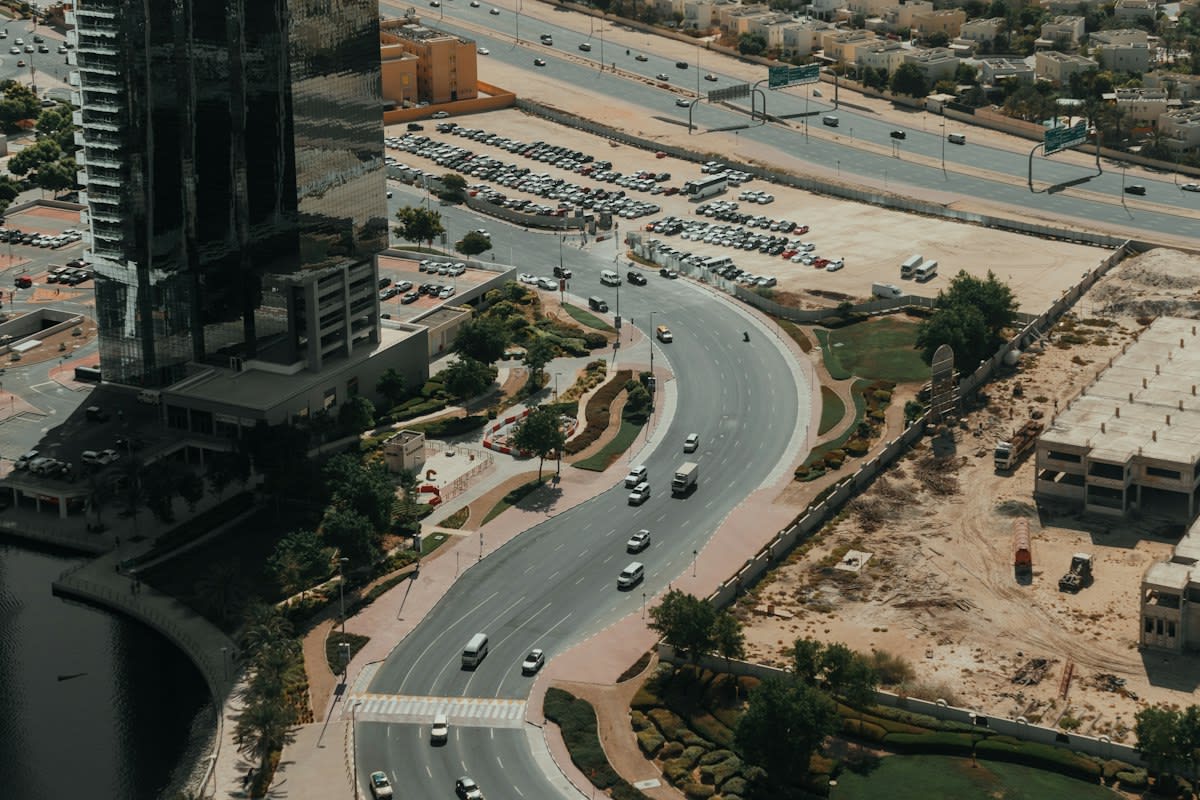
Jakarta provides a case study for the need of such structural changes. In high-density cities, the acoustic baseline is often saturated. Applying the Zaragoza model would require altering the very way streets are laid out. It would mean prioritizing the acoustic health of the resident over the speed of traffic. This is a political decision as much as a design decision.
The contrast between the Night Wave event and Zaragoza's planning is stark. One is a temporary aesthetic choice; the other is a permanent health strategy. The Night Wave project creates a mood through curated sound (Source: Leaf Kyoto, 2026). Zaragoza creates a baseline through engineering (Source: New Polis, 2026). True urban silence is not the absence of sound but the presence of appropriate sound.
Failure Points
- Treating sound as a binary of noise versus silence instead of a soundscape.
- Reliance on temporary events to provide restorative acoustic experiences.
- Ignoring the semantic interpretation of sound in zoning laws.
- Implementing acoustic mitigation after construction rather than during planning.
The primary failure in most cities is the isolation of acoustic intervention. When sound is treated as a separate problem, the result is often a series of walls and buffers that disrupt the social fabric. The Zaragoza model suggests that sound should influence how neighborhoods are designed (Source: New Polis, 2026). This requires a broad integration of health governance and urban planning.
Editorial Note
The analysis relies on the contrast between the temporary curation seen in the Night Wave event and the structural mandates of the Zaragoza Technical Guide. The tension highlights a gap between experience design and public health governance.
Fact-Check Note
Data verified from Leaf Kyoto (2026), npj Urban Sustainability (2026), and New Polis (2026). The 5 dB metric is attributed specifically to Zaragoza's residential planning objectives.