DNA from a pangolin collected in 1836 helped confirm the Himalayan pangolin as a distinct species after nearly 190 years in a museum
Source Entity
Latest News: Todays Latest News Headlines from India & World | Hindustan Times | Hindustan Times
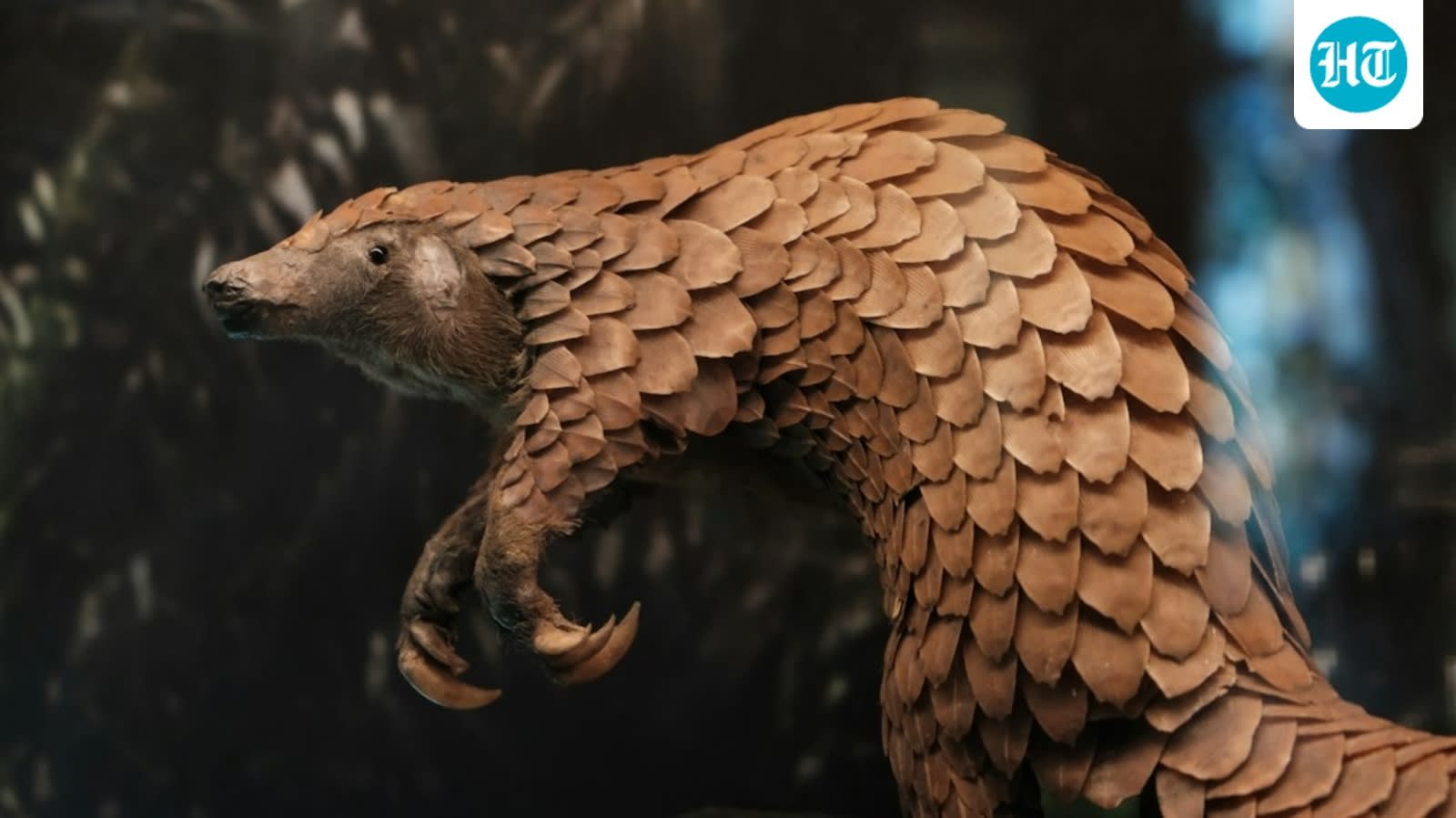
Researchers have identified the Himalayan pangolin as a distinct species using DNA extracted from a 1836 museum specimen. This breakthrough provides a critical genetic baseline to enhance conservation efforts and combat illegal poaching.
The Genetic Resurrection of the Himalayan Pangolin
In a landmark achievement for biodiversity and conservation science, researchers have successfully utilized genomic data from an 1836 museum specimen to confirm the Himalayan pangolin as a distinct species. This discovery, formalized in 2026, marks the end of nearly two centuries of taxonomic uncertainty. By looking back at historical biological records preserved in museum archives, scientists have effectively bridged the gap between 19th-century natural history and 21st-century molecular biology.
The Power of Historical DNA
The ability to extract high-quality DNA from a specimen collected nearly 190 years ago underscores the vital importance of natural history museums as modern biological repositories. These institutions serve as 'time capsules' that allow contemporary researchers to re-evaluate species classifications with tools that were unimaginable when the samples were first gathered. This specific case highlights how a single, well-preserved specimen can fundamentally alter our understanding of regional biodiversity.
Implications for Wildlife Conservation
Identifying the Himalayan pangolin as a unique species is more than an academic exercise; it is a critical step for environmental protection. Conservationists often struggle to protect species that are not clearly defined or recognized as distinct, as these creatures may fall through the cracks of international protection laws. By confirming the status of this pangolin, conservationists can now implement targeted strategies tailored to its specific ecological needs and geographic range.
Combating Illegal Poaching
Pangolins are famously dubbed the most trafficked mammals in the world, often hunted for their scales and meat. The genetic identification of the Himalayan pangolin provides a clear 'genetic fingerprint' that can be used by law enforcement and border authorities to identify confiscated items. By tracking the specific genetic signature of this newly validated species, authorities can better map poaching hotspots and disrupt the illegal wildlife trade networks that threaten these elusive creatures.
Future Trends in Biodiversity Research
This discovery sets a precedent for the future of taxonomy. As sequencing technology continues to improve, it is likely that other misclassified or overlooked species hidden in museum collections will be identified. This approach—combining historical physical evidence with modern genomic analysis—will be essential in the coming decades as scientists race to catalog and protect the planet’s remaining biodiversity in the face of rapid climate change and habitat loss.
Conclusion
The validation of the Himalayan pangolin serves as a powerful reminder of how historical data remains relevant to modern ecological survival. By integrating the work of past naturalists with the precision of current genomic research, we are better equipped to preserve the complex web of life. This discovery is a triumph for science and a necessary tool in the ongoing battle to save one of the world's most vulnerable species.
Verification Required?