Tourist’s photo leads to discovery of 120-million-year-old dinosaur footprints in Thailand
Source Entity
Latest News: Todays Latest News Headlines from India & World | Hindustan Times | Hindustan Times
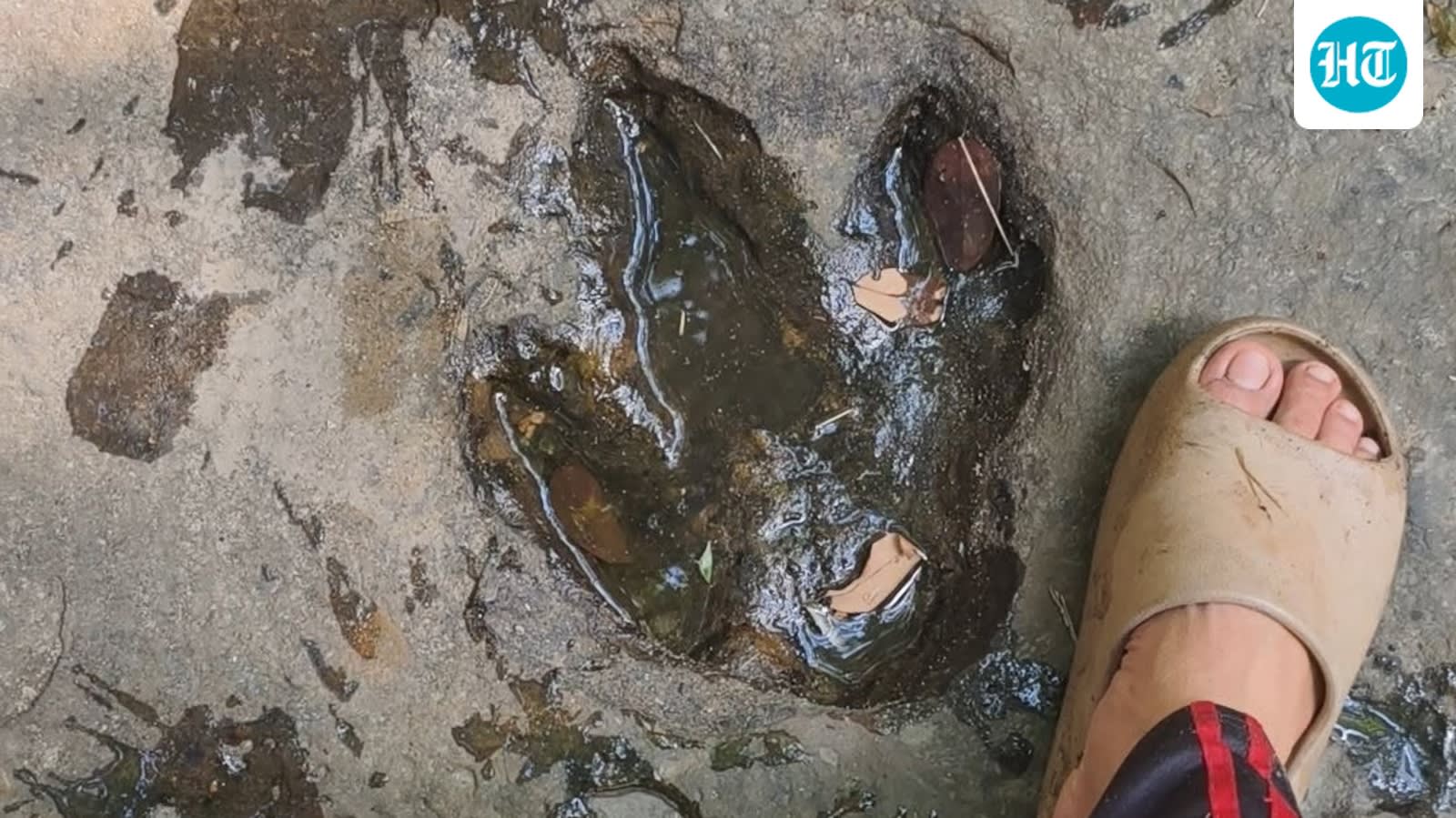
A tourist's chance observation of unusual marks in Thailand's Phu Phrabat National Park has led to the official identification of 120-million-year-old theropod dinosaur footprints. The site is now under scientific inspection to preserve these significant prehistoric remnants.
A Prehistoric Discovery in Udon Thani
The landscape of Thailand’s Phu Phrabat National Park has long been celebrated for its unique geological formations and historical significance. However, a recent development has shifted the focus from human history to the deep geological past. The discovery of six fossilized dinosaur footprints, estimated to be approximately 120 million years old, underscores the immense paleontological potential hidden within the region’s sedimentary rock layers.
The Power of Citizen Science
This remarkable find began when a 32-year-old tourist, Pichai Prathetsena, captured a photograph of unusual markings near a stream while exploring a nature trail. By sharing his findings on social media, Prathetsena inadvertently initiated a formal scientific investigation. This incident highlights the growing role of 'citizen science,' where casual observers provide the raw data necessary for professional researchers to identify significant natural heritage sites that might otherwise remain overlooked.
Identifying the Theropods
Following the social media report, the Department of Mineral Resources (DMR) confirmed the authenticity of the prints. Preliminary analysis suggests these tracks were created by theropods—a diverse group of bipedal, meat-eating dinosaurs that dominated terrestrial ecosystems during the Cretaceous period. The identification of these tracks provides critical data for paleontologists mapping the distribution and behavior of prehistoric carnivores in Southeast Asia during the Early Cretaceous.
Geological Significance of Udon Thani
Udon Thani has become a focal point for researchers due to its geological composition, which is conducive to the preservation of fossils. The 120-million-year-old timeline places these footprints within an era where the earth was undergoing significant climatic shifts and tectonic changes. By studying these specific prints, scientists can better understand the migratory patterns and environmental interactions of dinosaurs that thrived long before modern geographical boundaries existed.
Preserving Scientific Heritage
In response to the discovery, authorities have acted swiftly to protect the site by closing off access to the public. Phu Phrabat National Park is currently under intense scrutiny as experts conduct detailed inspections to stabilize and document the fossils. This protective measure is essential, as fossilized tracks are highly susceptible to erosion and human-induced degradation, which could permanently destroy the evidence before it can be fully analyzed.
Looking Toward the Future
This discovery is likely to trigger a new wave of interest in Thai paleontology, potentially leading to expanded surveys in the Udon Thani area. As experts continue to study these tracks, the findings will likely be integrated into broader global databases of dinosaur movement. Ultimately, this event serves as a reminder that the history of our planet is often just beneath our feet, waiting for the right moment—and the right observer—to bring it to light.
Verification Required?