Why elephant herds are led by grandmothers, not the youngest females
Source Entity
The Indian Express
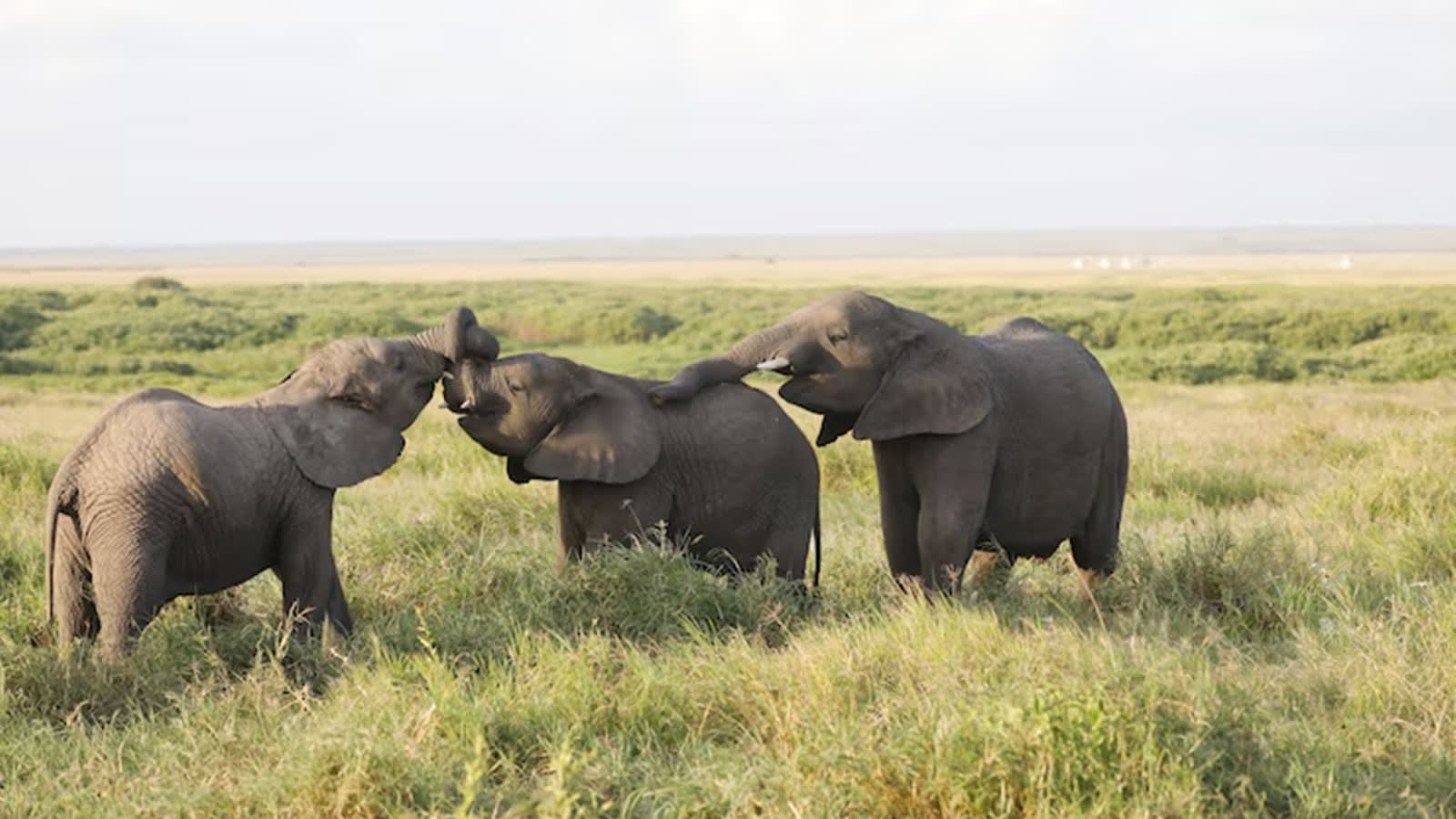
Elephant herds rely on the leadership of elder matriarchs who use decades of collective memory to guide their families. These grandmothers are essential for navigating environmental challenges like droughts and ensuring herd survival.
The Wisdom of the Matriarch: Why Age Defines Elephant Leadership
In the complex social structure of wild elephant families, leadership is not a matter of strength or youth, but of longevity. The role of the matriarch, typically the oldest female in the herd, serves as the cornerstone of survival. Unlike many species where competitive dominance dictates hierarchy, elephant societies operate on a foundation of accumulated wisdom, prioritizing the individuals who have lived long enough to witness the most significant environmental shifts.
The Mechanics of Memory and Survival
The leadership of these grandmothers is deeply rooted in cognitive capacity and spatial memory. During periods of extreme environmental stress, such as prolonged droughts, the younger members of the herd rely entirely on the matriarch's ability to recall the location of distant waterholes that may not have been visited for years. This ability to archive and retrieve geographic data is a critical evolutionary advantage, distinguishing experienced leaders from younger, less-tested individuals.
Emotional Intelligence and Social Cohesion
Beyond simple navigation, these matriarchs act as the social glue of the herd. Their emotional intelligence allows them to manage group dynamics, resolve conflicts, and maintain the tight-knit bonds necessary for protection. By fostering a stable social environment, the matriarch ensures that the herd remains cohesive, which is vital when facing external threats or predators. Their presence provides a sense of continuity that allows the family unit to thrive across generations.
A Contrast to Human Societal Norms
While human societies often prioritize youth, dynamism, and rapid innovation, elephant herds serve as a biological testament to the value of experience. This contrast highlights a fascinating evolutionary strategy where long-term survival is prioritized over short-term gains. By valuing the oldest members, elephants ensure that the 'institutional knowledge' of the species—how to find food, how to avoid human-related dangers, and how to raise offspring—is passed down effectively.
Future Implications for Conservation
The reliance on elder matriarchs has significant implications for wildlife conservation. When poaching or human-wildlife conflict targets the oldest females, the herd loses its collective memory, leaving younger, inexperienced elephants to navigate a changing and increasingly dangerous landscape. Protecting these matriarchs is not merely a matter of ethical concern; it is a pragmatic necessity for the continued viability of elephant populations in the wild.
Conclusion
In summary, the leadership structure of elephant herds is a highly evolved system designed to mitigate the risks of a harsh, unpredictable environment. By entrusting their safety to the wisdom of the grandmothers, elephant families secure their future. As we continue to study these magnificent creatures, the role of the matriarch remains a profound example of how experience and memory serve as the ultimate tools for survival in the natural world.