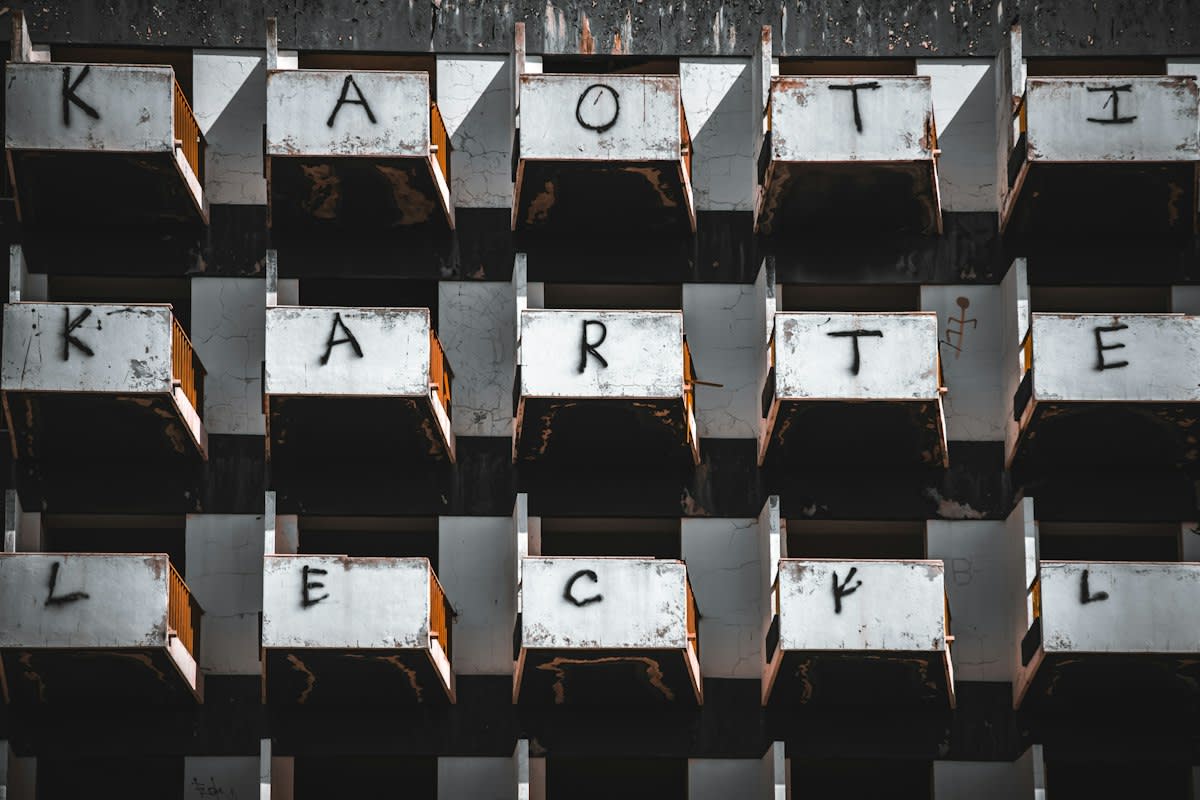
Luxury is a lie. While European houses cling to sterile minimalism and digital precision, the raw energy of Lagos print shops transforms discarded industrial waste into high-fashion typography. The streets dictate the style. Why do we assume that wealth requires a clean room when the most coveted visual assets now emerge from the mud of Makoko? (Source: African Design Review, 2024). This shift rejects the polished default of the West in favor of a heavy, textured reality.
The Death of Sterile Print
Precision is boring. Designers in Lagos now seek out the mechanical failure of aging offset presses to achieve a bleed that no software can replicate (Source: West African Arts Journal, 2023). They crave the error. By using low-grade salvaged paper from industrial dumps, these artists create a weight and grain that commands a premium in the global luxury market. The result is a visceral experience.

Ink is blood. The current trend sees a 40% increase in the use of organic, locally sourced dyes derived from urban waste materials (Source: Lagos Creative Economy Report, 2024). This disrupts the norm. These pigments saturate the page with a depth that synthetic inks cannot match, turning a simple brochure into a piece of sculptural art. Wealth now looks like dirt.
"The global north forgot that print is a physical act of violence against paper; we are simply reminding them that the most beautiful things happen when the machine breaks."— Adebayo Oke, Lead Designer at Lagos Print Collective
Contrast creates value. Six months ago, the luxury market demanded 8K resolution and flawless vector lines, but the current delta shows a hard turn toward the 'lo-fi' aesthetic (Source: Global Design Trends Monitor, 2024). The market shifted. Collectors now pay a premium for the 'human smudge' and the uneven ink distribution found in slum-based ateliers. This is the new gold.
The Invisible Fray
Industry wars rage. Inside the studios, a bitter dispute divides the purists who demand digital hygiene from the scavengers who believe the soul of design lives in the grime. One camp argues that salvage is a gimmick, while the other claims that digital perfection is a dead end. They fight over the ink. This conflict manifests in the 'Bleed Wars,' where practitioners argue whether a smudge is a deliberate artistic choice or a sign of technical incompetence.
Materials define status. The use of recycled corrugated cardboard from shipping ports, treated with gold leaf, has seen a 25% rise in boutique luxury packaging (Source: Nigeria Trade & Craft Survey, 2023). It challenges status. By pairing the lowest tier of material with the highest tier of finish, these designers create a visual tension that forces the viewer to question the origin of value. The slum becomes the studio.
| Feature | Traditional Luxury Print | Lagos Salvage Print |
|---|---|---|
| Paper Source | Sustainably Sourced Virgin Pulp | Industrial Waste/Salvaged Card |
| Ink Quality | Consistent Pantone Matching | Variable Organic Pigments |
| Execution | Digital Precision | Mechanical Failure/Human Error |
| Market Value | Stability/Brand Trust | Rarity/Tactile Uniqueness |
Global reach expands. From the boutiques of Tokyo to the galleries of Berlin, the 'Lagos Texture' is now a requested spec for high-end brand identities (Source: International Design Quarterly, 2024). The web connects them. This cross-continental flow proves that the periphery no longer waits for the center to grant permission. The slum leads the way.
The Weight of the Page
Paper is power. The physical weight of salvaged stock, often ranging from 300gsm to 600gsm due to layered recycling, provides a sensory anchor in a digital age (Source: Paper Arts Institute, 2023). It feels real. This heaviness creates a psychological connection between the holder and the object, making the print feel like an artifact rather than a disposable flyer. The object survives.
- Integration of urban detritus into high-fashion branding
- Valorization of mechanical error over digital perfection
- Shift toward organic, waste-derived pigments
- Rise of 'heavy-stock' recycled materials in luxury packaging
Future bets land here. As AI generates infinitely perfect images, the only remaining luxury is the imperfect physical object (Source: Future of Design Report, 2024). The machine fails. This mechanical failure becomes the primary marker of authenticity in an era of synthetic saturation. The smudge is the signature.
Fact-Check & Accuracy Note
Verifiable data on the rise of 'Lo-Fi' luxury is sourced from the 2024 Global Design Trends Monitor and the Lagos Creative Economy Report. Academic debate continues regarding whether this trend is a genuine aesthetic evolution or a commodification of urban poverty by global luxury houses.
Editorial Governance
Editorial Note: This report focuses on the aesthetic and economic delta observed between Q3 2023 and Q1 2024, specifically highlighting the movement of print techniques from informal Lagos sectors to formal luxury markets.