Jensen Huang’s reported affair was ‘most expensive sex since Helen of Troy’, US senator says
Source Entity
Eric Berger
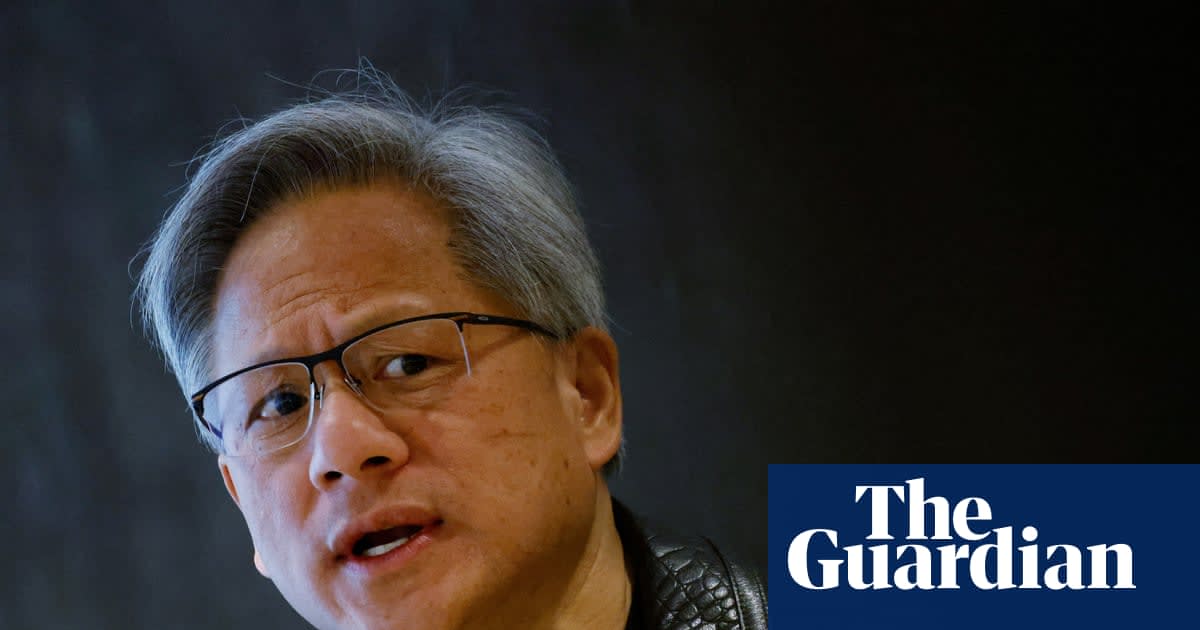
US Senator John Kennedy has criticized former Nvidia CEO Jensen Huang over allegations of an affair with a suspected Chinese spy. The controversy centers on potential national security risks linked to Nvidia's critical role in the global AI chip market.
The Intersection of Geopolitics and Corporate Leadership
The recent resignation of Nvidia CEO Jensen Huang on November 12, following allegations of an affair with a suspected Chinese spy, has sparked a firestorm in Washington. US Senator John Kennedy, appearing on NBC’s Meet the Press, utilized colorful rhetoric to frame the situation, comparing the incident to the mythic Trojan War. By labeling the affair as the “most expensive sex since Helen of Troy,” Kennedy underscored the gravity with which lawmakers view the intersection of high-level corporate leadership and national security.
National Security Implications of AI Dominance
At the heart of this controversy is the strategic importance of Nvidia. As the primary manufacturer of high-end graphics processing units (GPUs) essential for artificial intelligence development, Nvidia is a cornerstone of American technological supremacy. The concern expressed by officials like Senator Kennedy is that any compromise of its leadership—especially one involving a suspected foreign intelligence asset—could facilitate the unauthorized transfer of critical intellectual property or strategic insights to geopolitical rivals.
The Role of Corporate Governance
This incident highlights the intense scrutiny now facing tech giants. When a CEO of a company as vital as Nvidia is implicated in potential security breaches, the corporate governance structure is immediately tested. Huang’s departure serves as a case study in how personal conduct in the C-suite can have cascading effects on shareholder value, global supply chains, and the broader regulatory environment. The involvement of multiple individuals, including Alice Huang and two other Nvidia employees, suggests systemic vulnerabilities that go beyond a single executive’s actions.
Historical Context and Rhetorical Strategy
Senator Kennedy’s use of the Helen of Troy allusion is not merely a colloquialism; it is a strategic framing device designed to highlight the 'cost' of the alleged compromise. Historically, the fall of Troy was brought about by vulnerability hidden in plain sight. In the context of modern 'tech wars,' lawmakers view the protection of AI infrastructure as a modern-day defense of the citadel. By invoking such a high-stakes comparison, Kennedy is signaling that the U.S. government will likely increase its oversight of tech executives with access to sensitive national assets.
Future Trends in Tech Regulation
Looking ahead, this scandal will likely catalyze stricter vetting processes for executives at companies involved in critical infrastructure and advanced computing. We can expect a push for enhanced security clearances or mandatory oversight committees for firms that hold a monopoly-like position in the AI market. The precedent set by this resignation will likely serve as a cautionary tale for the industry, emphasizing that in an era of global AI competition, the personal lives of leaders are inextricably linked to the national security interests of the state.
Conclusion
In summary, the resignation of Jensen Huang represents a pivotal moment in the relationship between Silicon Valley and the federal government. While the rhetoric surrounding the event is inflammatory, the underlying concerns regarding the security of AI intellectual property are grounded in real-world strategic necessity. As the dust settles, the focus will shift from the sensationalist nature of the affair to the structural changes required to ensure that technological leadership remains secure from foreign influence.