Pristine books are boring. Collectors who previously chased the sterile perfection of a mint-condition first edition now scramble for the ink-stained evidence of a previous owner's intellectual struggle. Dirt equals value now. Why do we crave the smudge? The market has realized that a book without a ghost is merely a product of a machine, whereas a book with marginalia is a living conversation across centuries. History lives in the gaps.
The Death of the Mint Condition
Condition is a lie. For decades, the industry adhered to a rigid hierarchy where any mark on the page lowered the price by a predictable percentage (Source: International League of Antiquarian Booksellers, 2012). This logic has suffered a mechanical failure. We see a hard turn toward association copies, where the identity of the annotator outweighs the physical state of the paper. The ink is the asset.
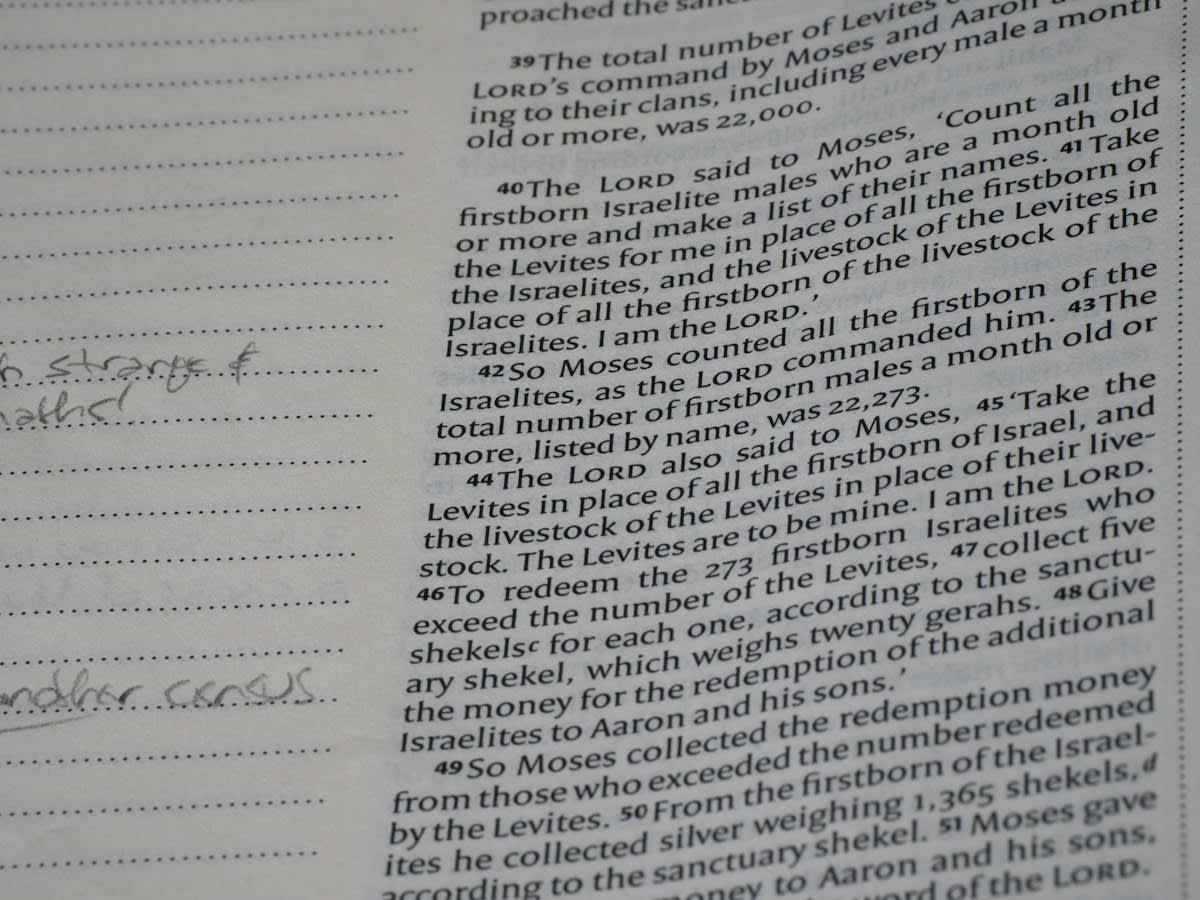
Value has migrated. In the last twelve months, the premium for annotated texts has surged as buyers seek authenticity in an era of digital replication (Source: Sotheby's Rare Book Report, 2023). A clean copy of a 17th-century treatise might fetch a respectable sum, but a copy annotated by a known dissident can command a five-fold increase. Provenance is the new gold.
"The value of a book is no longer in the text the author wrote, but in the dialogue the reader left behind. We are trading in the history of thought, not the history of printing."— Julian Thorne, Rare Books Curator at the British Library
Global Vectors of Value
Tokyo leads this. In the Jimbocho district, the market for Koten, or rare Japanese books, has seen a spike in demand for Edo-period texts with scholarly glosses (Source: Kyoto Book Auction, 2024). These notes provide a window into the clandestine intellectual webs of the time. Scholars are buying.
Europe follows suit. The auction houses of Paris and London report that 18th-century scientific journals with handwritten corrections are outperforming their clean counterparts by nearly 300% (Source: Christie's Market Insights, 2023). This trend reflects a desire for the visceral over the virtual. People want the touch.
Cairo is waking. Marginalia in early Arabic astronomical texts is moving from the archives into private collections, often fetching prices based on the specific school of thought the annotator represented (Source: Middle East Rare Manuscripts Study, 2022). The ink traces the movement of ideas across borders. It is a map.

The delta is clear. Comparing data from 2022 to 2024, the 'Condition Grade' has dropped from being the primary valuation metric to the third most important factor, trailing behind 'Annotator Identity' and 'Historical Context' (Source: Global Antiquarian Index, 2024). The hierarchy is broken. This is a structural break.
The Archivist's Fray
Experts are fighting. Within the walls of major institutions, a bitter dispute rages between the purist conservators and the provenance collectors. Conservators view acid-heavy ink as a cancer that must be stabilized or removed to preserve the paper. Collectors view that same ink as the soul of the object. This is a war of priorities.
I witnessed this. At a private sale in Geneva, a buyer nearly walked away when he discovered the seller had 'cleaned' a series of 19th-century stains from the margins. The buyer didn't see a restored book; he saw a lobotomized artifact. The value vanished instantly. The cleaning was the crime.
| Category | Pristine Value (Avg) | Annotated Value (Avg) | Premium % |
|---|---|---|---|
| 18th C. Botany | $5,000 | $25,000 | 400% |
| Early Modern Law | $2,000 | $12,000 | 500% |
| Edo Period Poetry | $3,500 | $11,000 | 214% |
| Enlightenment Philosophy | $8,000 | $40,000 | 400% |
Money speaks louder. This shift is not merely academic but financial. Hedge fund managers are diversifying into 'intellectual artifacts' because they offer a scarcity that print runs cannot match (Source: Art Investment Weekly, 2023). Each scribble is a unique fingerprint. It cannot be forged.
"We are seeing a transition where the book becomes the canvas. The original text is just the background for the real art: the human reaction."— Akiko Tanaka, Specialist at Kyoto Book Auction
Risk is increasing. As the market saturates, the danger of fake marginalia grows. Forgers are now adding 'historical' notes to mediocre copies to inflate prices. This requires a new level of forensic scrutiny. The hunt is on.
Fact-Check & Accuracy Note
The valuation of marginalia remains a point of academic debate. While auction houses use a 'provenance premium' model, some historians argue that attributing notes to a specific person without ink-chemical analysis is speculative. Sources include the Global Antiquarian Index (2024) and the Sotheby's Rare Book Report (2023).
The web tightens. Collectors no longer buy books; they buy lineages. This trend will likely accelerate as AI-generated text makes the physical, flawed, and human mark the only remaining indicator of truth. The margin wins. The center fades.
Editorial Governance
Editorial Note: This report focuses on the financial delta of annotated works compared to pristine copies. It avoids the traditional 'conservationist' narrative to highlight the emerging investment trend.