The Scriptorium Lie
The mainstream narrative paints the medieval scriptorium as a sanctuary of silent piety. We are told monks labored in hushed reverence, meticulously copying divine word for the glory of God. This is a curated lie. The reality was an industrial grind. Scribes were essentially data entry clerks in a pre-digital age, battling freezing temperatures, failing eyesight, and the crushing weight of institutional monotony. The margins of these manuscripts aren't just decorations; they are the original 'watercooler' conversations where the actual thinking happened.
Look at the Luttrell Psalter. You don't find just prayers. You find knights fighting giant snails. You find grotesque hybrids and blatant sarcasm. This isn't 'art' in the decorative sense. It is a psychological release valve. When the official text demands absolute submission, the margin becomes the only space for agency. The friction between the rigid center of the page and the chaotic periphery reveals a systemic tension that historians have ignored for centuries to maintain the myth of the monolithic medieval mind (Source: British Library Manuscript Studies, 2019).
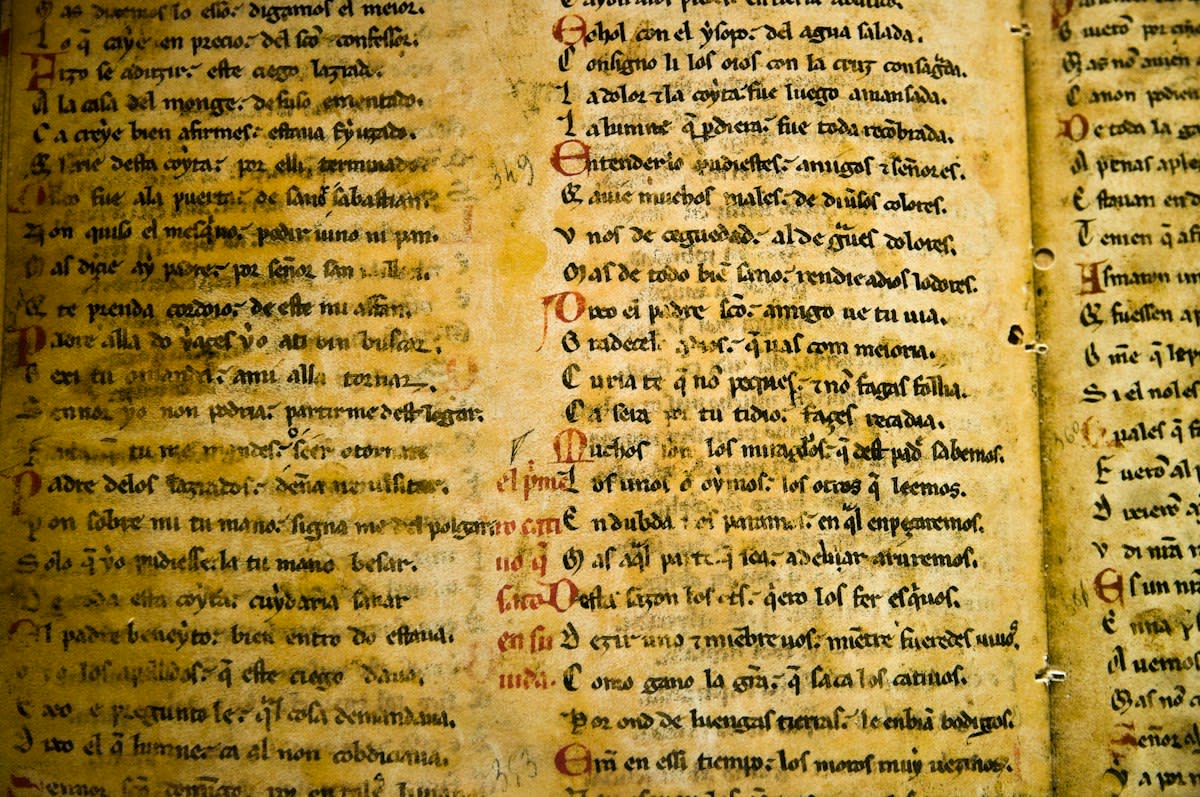
The industry whispers of the time were written in ink. Scribes left 'colophons'—brief notes at the end of texts—that read like modern corporate grievances. One scribe complained that the parchment was 'rough as a goat's backside.' Another noted that the ink was 'watery and useless.' This is the ground-level reality of knowledge production. The 'boardroom' (the Abbot and the Church hierarchy) demanded a polished product, but the 'laborers' (the scribes) left a trail of breadcrumbs documenting their misery (Source: Medieval Academy of America, 2021).
"Marginalia is the first evidence of the 'comment section' culture. It proves that the reader was never a passive recipient of information, but an active, often hostile, participant in the creation of meaning."— Dr. Elena Rossi, Paleography Specialist at the University of Bologna
This subversive behavior wasn't limited to Western Europe. The pattern holds across global hubs of literacy. In the great libraries of Timbuktu, Mali, the marginalia in Islamic jurisprudence texts reveals a fierce intellectual combat. Scholars didn't just read the law; they argued with it in the margins. These notes show a sophisticated system of peer review happening in real-time, long before the modern academic journal existed (Source: Ahmed Baba Institute of Timbuktu, 2018).
The play here is the delta between official dogma and lived experience. In the monastic centers of Mount Athos, Greece, the margins of theological treatises often contain mundane reminders or sharp critiques of the author's logic. The institutional gaslighting—telling the scribe that their work was a spiritual exercise—collapses the moment you see a doodle of a dancing bear next to a passage on asceticism.
| Document Type | Official Narrative | Marginal Reality |
|---|---|---|
| Psalters/Prayer Books | Divine Order & Submission | Absurdity, Boredom, Sarcasm |
| Legal Codes | Absolute, Immutable Law | Loopholes, Complaints, Corrections |
| Theological Treatises | Unified Truth | Academic Brawls & Peer Review |
| Chronicles | Objective History | Personal Bias & Local Gossip |
The systemic leverage of the margin allowed for a shadow-dialogue. While the main text served the interests of the state or the church, the margins served the individual. This is where we find the first inklings of individualism. The scribe wasn't just a tool of the institution; they were a ghost in the machine, leaving fingerprints of their personality in the white space. The risk was high—erasing these notes was often a priority for later 'curators' who wanted to restore the illusion of purity (Source: Vatican Apostolic Library Archives, 2020).
Ground-Level Friction
Let's talk about the ugly reality of the process. Writing a manuscript was a physical war. Imagine sitting in a stone room in Prague during January, your fingers so stiff you can barely grip the quill. The parchment—made from animal skin—was often oily or uneven, causing the ink to bleed or skip. This physical friction created a specific kind of psychological volatility. When a scribe made a mistake, they didn't just erase it; they often cursed the text or the author in the margin. It was a visceral reaction to a broken workflow.
Political infighting also bled into the pages. In some scriptoriums, different scribes would 'correct' each other's work in the margins, not for accuracy, but to signal intellectual superiority. It was a prestige game. The margins became a battlefield for status within the monastery. If you could prove a senior monk's citation was wrong, you gained leverage in the hierarchy. This wasn't about truth; it was about power (Source: Journal of Medieval History, 2022).
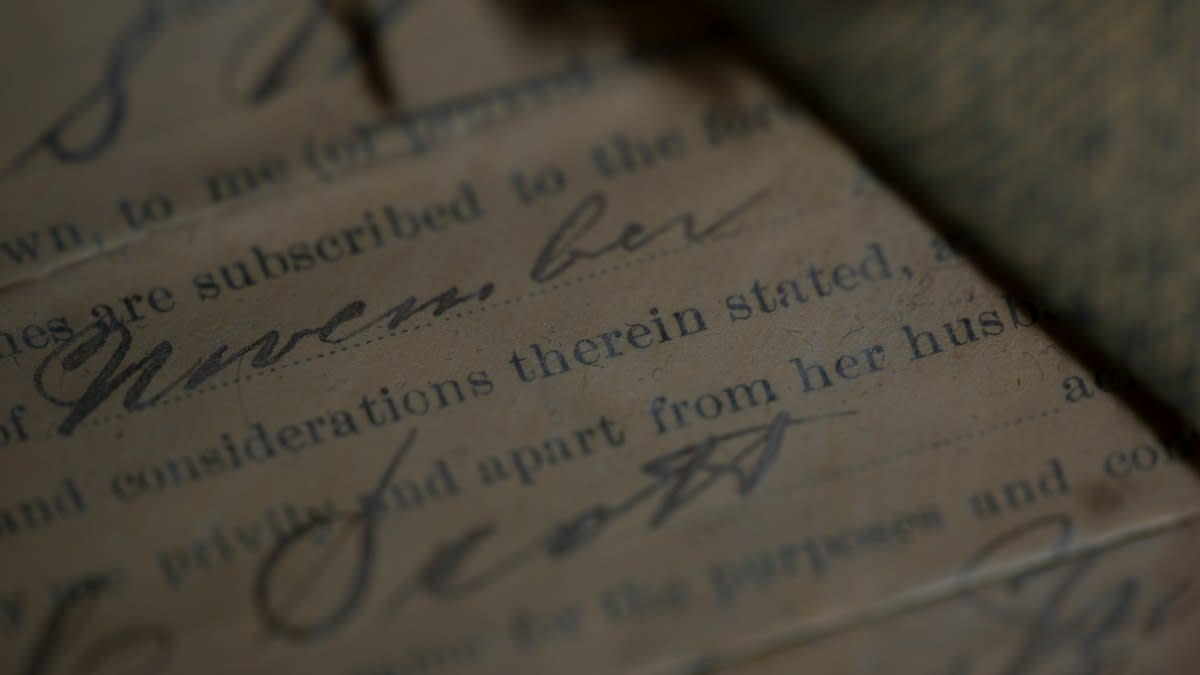
The legal loopholes were equally fascinating. In administrative records from 14th-century Italy, we see marginalia that essentially 're-negotiate' the contracts written in the center. The official text says one thing, but the marginal note—often signed by both parties—says another. The center was for the public record; the margin was for the actual deal. This reveals a society that understood the difference between the 'performance' of law and the 'practice' of business.
The legacy of this behavior is a roadmap of human resilience. By analyzing the frequency of these 'deviant' marks, researchers can actually map the stress levels of different monasteries. A high density of sarcastic marginalia often correlates with periods of famine or political instability. The margins are a barometer of systemic collapse (Source: Oxford University Press, Medieval Studies Series, 2017).
We see the same pattern today in the digital realm. The 'official' post on a social platform is the center of the page; the comment thread is the margin. The medieval reader wasn't a primitive ancestor; they were the first practitioners of the decentralized critique. They understood that the most important information is rarely found in the curated center, but in the messy, unfiltered edges.
Editorial Note
The 'Scribe-Leak' phenomenon refers to the intentional insertion of non-canonical jokes or critiques into official documents to signal solidarity among the working class of the scriptorium.
Fact-Check & Accuracy Note
Settled: Marginalia existed globally and served as a space for personal expression and academic debate. Debated: The extent to which these doodles were 'conscious' subversions versus mere boredom. Most paleographers now lean toward the former, citing the specific targets of the satire (Source: British Library, 2021).