SC: Constitution has primacy over special laws
Source Entity
AMIT ANAND CHOUDHARY
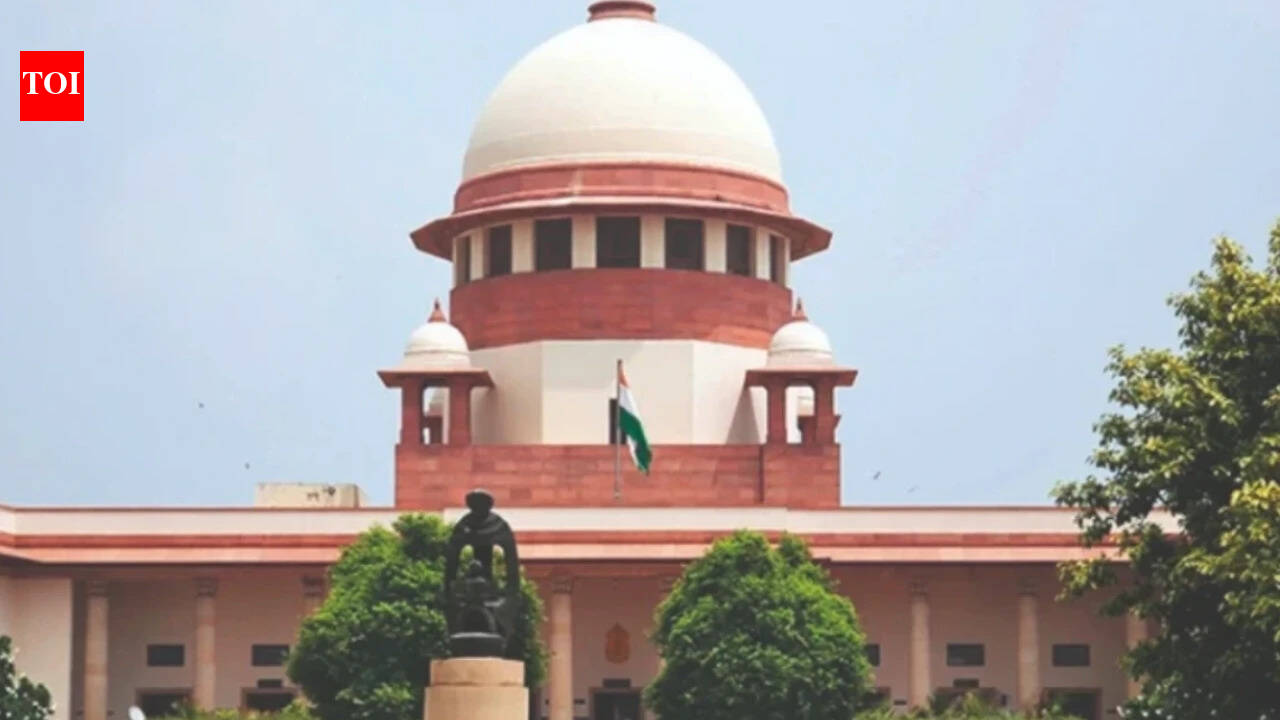
The Supreme Court of India has reaffirmed that the Constitution holds primacy over special laws, emphasizing that the right to a speedy trial is a fundamental right. The judiciary asserts that this right cannot be compromised or tinkered with by legislative provisions.
The Primacy of Constitutional Rights in India
The Supreme Court of India has recently issued a landmark clarification, reinforcing the principle that the Constitution of India maintains absolute primacy over all special laws. This judicial pronouncement serves as a vital reminder that while the legislature holds the power to enact specific statutes to address unique legal challenges, these laws cannot exist in a vacuum that contradicts the foundational principles of the Constitution.
The Fundamental Right to a Speedy Trial
Central to this ruling is the assertion that a speedy trial is not merely a procedural preference but a fundamental right. By elevating this to a constitutional mandate, the Supreme Court has signaled that the state cannot invoke special legal provisions to indefinitely delay the judicial process. This ensures that the liberty of individuals is protected against the erosion caused by systemic backlogs and procedural inertia.
Limiting Legislative Interference
Historically, 'special laws' are often introduced to expedite specific types of litigation or address particular crimes. However, the Court’s stance clarifies that these laws cannot 'tinker' with the core constitutional guarantees provided to citizens. This prevents the executive or legislative branches from creating legal frameworks that bypass or dilute the essential due process rights that define the Indian legal system.
Broader Implications for the Judiciary
This ruling carries significant weight for the Indian judicial landscape, as it forces a recalibration of how special statutes are interpreted by lower courts. By prioritizing constitutional rights, the Supreme Court is effectively setting a standard that prevents the dilution of human rights in the pursuit of administrative convenience or legislative expediency. It acts as a check and balance, ensuring that the rule of law remains tethered to the spirit of the Constitution.
Future Trends and Judicial Oversight
Moving forward, this precedent will likely lead to increased scrutiny of special legislation. Legal practitioners can expect a surge in challenges to provisions that allow for prolonged incarceration or delayed trials, as the judiciary is now empowered to strike down or read down any legislative language that conflicts with the fundamental right to a speedy trial. This shift suggests a future where judicial efficiency is measured not just by case disposal rates, but by the protection of individual rights.
Conclusion
In summary, the Supreme Court's declaration confirms that the Constitution remains the supreme guide for Indian law. By insulating the right to a speedy trial from legislative encroachment, the Court has reinforced the sanctity of due process. This decision ensures that the fundamental rights of citizens remain the bedrock of the judicial system, regardless of the specific laws being applied.