Tomato, banana prices go up: 130 MSRTC trips cancelled as farmers’ blockade disrupts highway
Source Entity
Shubham Kurale
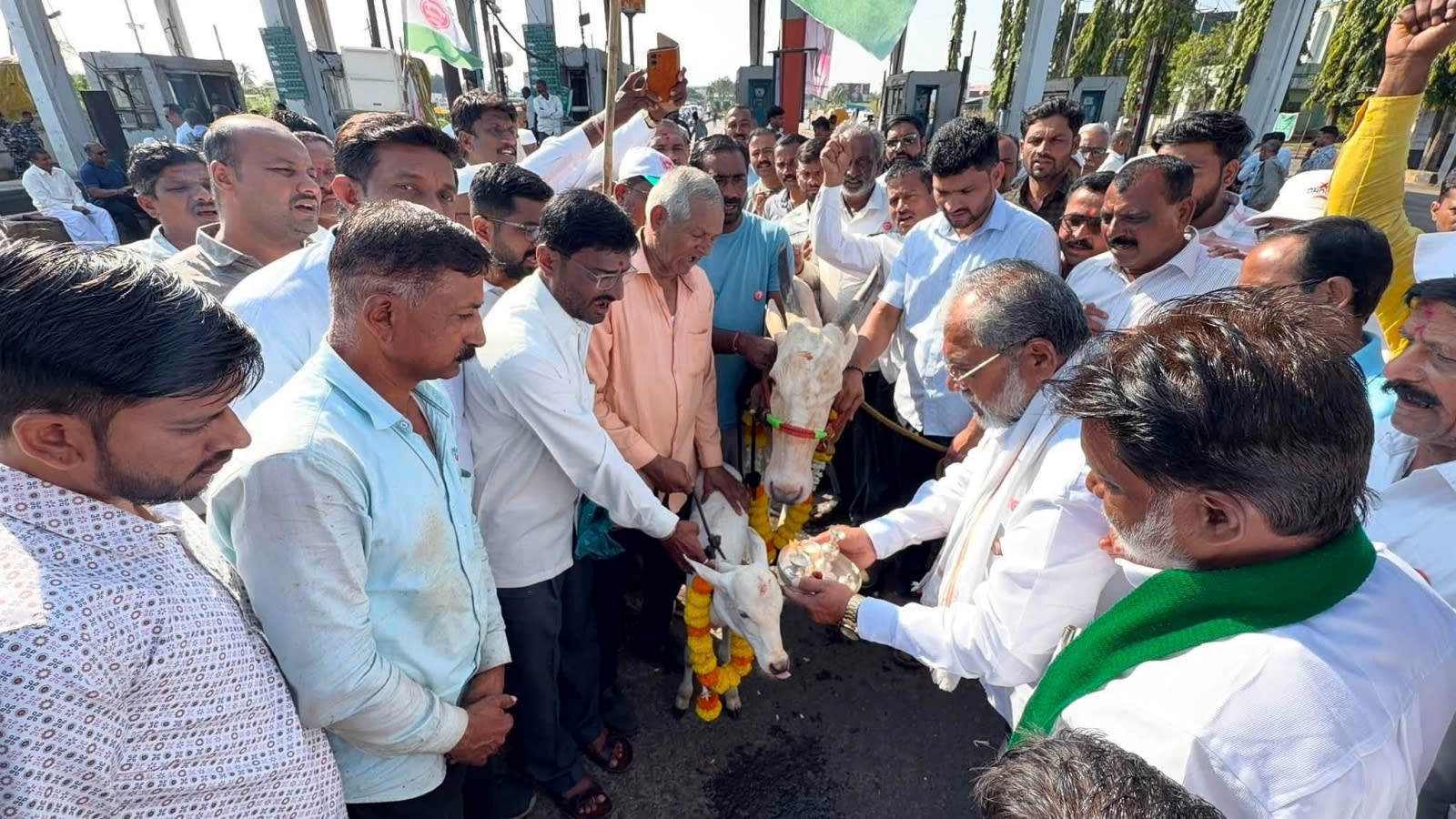
Sugarcane farmers in Karnataka and Maharashtra have launched intense 'Jail Bharo' protests and road blockades demanding better crop prices. The agitation has led to numerous detentions and significant disruptions to transport and supply chains across the region.
Intensifying Agrarian Unrest: The Sugarcane Pricing Crisis
Recent weeks have witnessed a significant escalation in agrarian unrest across Karnataka and Maharashtra, as sugarcane farmers launch a series of 'Jail Bharo' (fill the prisons) protests and strategic road blockades. The core of this agitation centers on the demand for a fair and remunerative price for sugarcane—specifically, an initial payment of Rs 4,200 per tonne. This movement, spearheaded by organizations like the Swabhimani Shetkari Sanghatana, reflects deep-seated frustrations regarding agricultural profitability and the economic viability of sugarcane cultivation in the face of rising operational costs.
The 'Jail Bharo' Movement and Administrative Response
The situation in Belagavi, Karnataka, reached a flashpoint on November 5, when law enforcement authorities detained over 100 farmers participating in the 'Jail Bharo' movement. Among those taken into custody were prominent leaders such as Chunappa Pujeri, Shashikant Padasalagi Guruji, and Prem Chougala. The district administration, citing the need to maintain public order, invoked prohibitory orders under BNSS 163, effectively banning protests near critical infrastructure, including the Pune-Bengaluru National Highway and the Hindalaga jail premises.
Supply Chain Disruption and Economic Ripple Effects
The impact of this agitation has extended far beyond the immediate protest sites. In Maharashtra, the strategic blockade of the Pune-Kolhapur route has caused widespread logistical gridlock. The Maharashtra State Road Transport Corporation (MSRTC) reported the cancellation of approximately 130 bus trips over a 48-hour period, severely impeding the movement of commuters and goods. This disruption has created an immediate supply-side shock, particularly affecting the transit of perishables like tomatoes and elaichi bananas from Karnataka to urban wholesale hubs like Pune’s Gultekdi market, where consumer prices have subsequently spiked.
Strategic Blockades and Regional Connectivity
By targeting major arteries like the Mumbai-Bengaluru National Highway—specifically at locations like the Nagthane in Satara and the Kini toll plaza in Kolhapur—farmers have effectively leveraged the highway network to amplify their message. These blockades serve as a high-visibility tactic to force negotiations with state authorities and sugar mill owners. The persistence of these blockades through mid-November underscores the determination of the farming community to secure a price floor that covers their input costs and provides a sustainable livelihood.
Internal Dynamics and Future Implications
While the movement is united in its goal, it is not without internal friction. Reports indicate that differences have emerged among farmer groups regarding the acceptance of recent price offers, suggesting a complex landscape of negotiation where individual interests and organizational strategies may occasionally diverge. As the state administration continues to utilize legal frameworks like BNSS 163 to manage the unrest, the long-term resolution will likely depend on the government’s ability to mediate between the economic demands of the farmers and the operational constraints of the sugar industry. Future trends suggest that unless a consensus on pricing is reached, the potential for continued disruption to regional supply chains and public transport remains high.
Multiple Citing Sources