High Court Cancels Ex-Cop Sachin Waze Bail In Mumbai Bomb Scare Case
Source Entity
NDTV News Search Records Found 1000
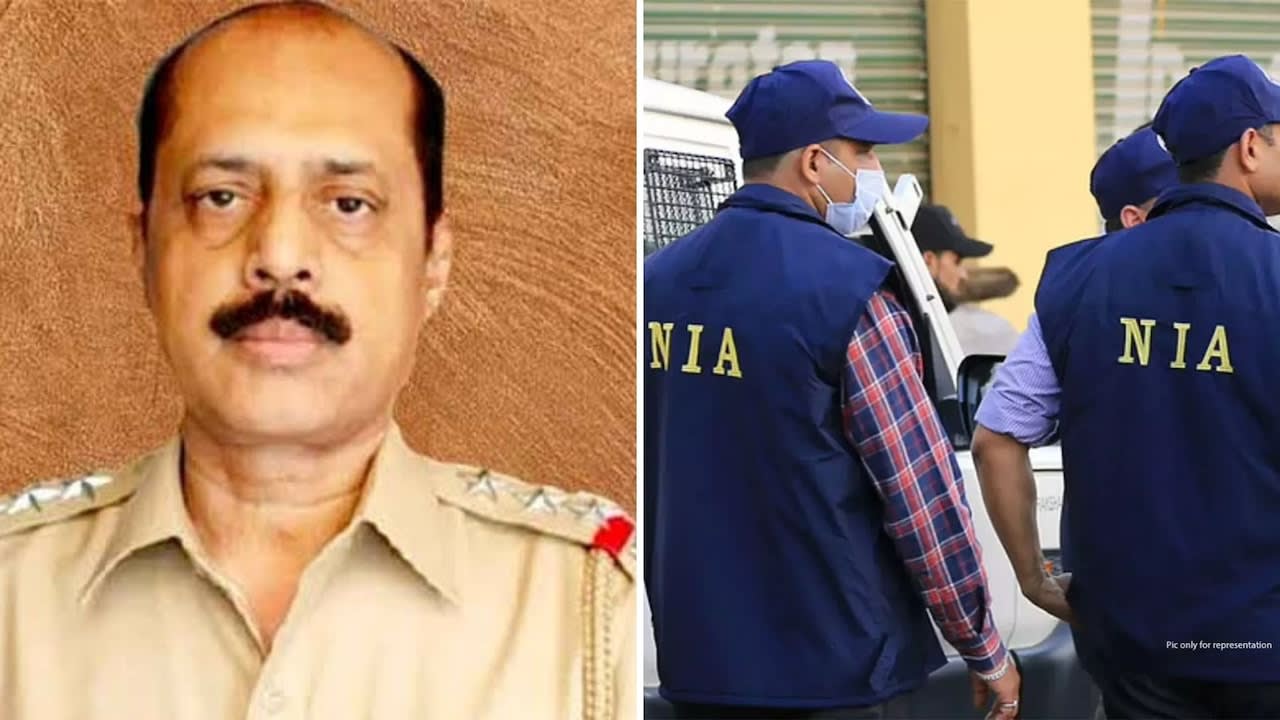
The Bombay High Court has overturned a lower court's decision to grant bail to former police officer Sachin Waze. Waze remains in custody in connection with the 2021 Antilia explosives scare and the murder of Mansukh Hiran.
Judicial Reversal in the Antilia Case
The Bombay High Court has delivered a significant legal development by setting aside the bail previously granted to dismissed police officer Sachin Waze. The decision, handed down by a division bench comprising Justices G.S. Kulkarni and Neela Gokhale, effectively nullifies the September 29 order from a special National Investigation Agency (NIA) trial court. This ruling follows a rigorous appeal process initiated by the NIA, which challenged the initial release of the accused in connection with two of the most high-profile criminal cases in recent Indian history.
The Gravity of the Antilia Scare
The case centers on the February 25, 2021, discovery of a Mahindra Scorpio SUV abandoned outside 'Antilia,' the residence of industrialist Mukesh Ambani. The vehicle contained gelatine sticks and a threatening letter, an incident that sent shockwaves through the nation's financial capital. The severity of the event—targeting one of India's most prominent figures—necessitated a swift and extensive federal investigation, eventually leading to the arrest of Waze, who was a serving police officer at the time of the incident.
The Connected Mansukh Hiran Murder
Beyond the bomb scare, Waze is also implicated in the subsequent murder of Mansukh Hiran, the owner of the Scorpio SUV. The death of Hiran, whose body was discovered shortly after the Antilia incident, added a layer of complexity and brutality to the investigation. The NIA’s successful appeal against the bail order underscores the gravity of these interconnected crimes, as the prosecution has consistently argued that the accused poses a significant flight risk and threat to the integrity of the ongoing judicial proceedings.
Procedural Context and Judicial Oversight
Following the special trial court’s initial decision to grant bail in September, the NIA moved quickly to the High Court to contest the order. The High Court concluded its hearings on October 16 and reserved its judgment, culminating in Thursday's order to quash the lower court's decision. By allowing the NIA's appeal, the bench has re-emphasized the importance of stringent judicial scrutiny in cases involving national security and high-stakes criminal allegations.
Broader Implications for Law Enforcement
This case serves as a stark reminder of the complexities involved in policing, particularly when officers themselves become the subjects of serious criminal investigations. The involvement of a former police officer in orchestrating such a brazen public security threat has sparked extensive debates regarding administrative accountability and the vetting processes within law enforcement agencies. The judicial reversal reinforces the state's stance that those accused of undermining public order through terror-related activities must face the full weight of the legal process without the benefit of pre-trial release.
Future Outlook and Legal Trajectory
As the case continues, the focus will now return to the trial proceedings. With the bail cancelled, Sachin Waze remains in custody, ensuring his presence as the NIA continues to present its evidence in court. The final reasoned order from the High Court is expected to provide further clarity on the legal standards applied in this reversal, potentially setting a precedent for how similar high-profile criminal matters are handled in the future.
Multiple Citing Sources
Verification Required?